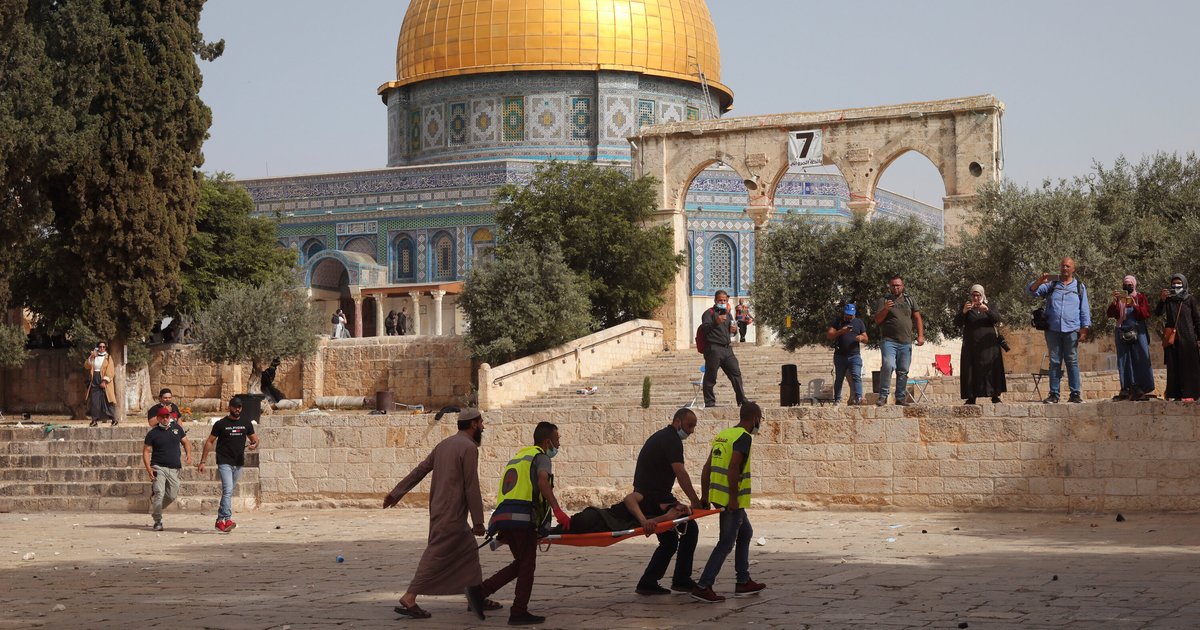
Al-Aqsa Mosque is one of the most prominent Islamic landmarks, currently facing ongoing challenges that threaten its identity. The violations and assaults on this historical site are increasing, prompting the need for Arab and international action to protect it.
Recently, Al-Aqsa Mosque has witnessed a surge in Israeli assaults, with an increase in incursions by settlers under the protection of occupation forces. These violations represent a direct threat to the sanctity that this site holds for Muslims worldwide.
Details of the Incident
Reports indicate that occupation forces have intensified their presence around Al-Aqsa Mosque, leading to heightened tensions in Jerusalem. It has been reported that the number of incursions has risen significantly, as settlers seek to impose a new reality in the holy city.
Additionally, several Palestinian worshippers have been arrested during prayer times, reflecting the repressive policies pursued by Israeli authorities. These events occur at a sensitive time, coinciding with increasing calls to protect Al-Aqsa Mosque from escalating violations.
Background & Context
Historically, Al-Aqsa Mosque symbolizes resilience and resistance, having witnessed numerous historical events that shaped Palestinian identity. Since the Israeli occupation of Jerusalem in 1967, the mosque has become a target for various Israeli policies aimed at altering the features of the holy city.
The significance of Al-Aqsa Mosque lies in its status as the first qibla and the third holiest site in Islam, making it an important spiritual center for Muslims. However, Israeli policies threaten this status, necessitating Arab and international efforts to safeguard this historical landmark.
Impact & Consequences
The ongoing violations against Al-Aqsa Mosque directly affect the situation in Jerusalem, contributing to increased tensions between Palestinians and Israelis. These events could lead to an escalation of violence, negatively impacting security and stability in the region.
Moreover, the continuation of these violations may foster feelings of frustration and despair among Palestinians, complicating peace efforts in the area. Failure to take effective steps to protect Al-Aqsa Mosque could result in negative repercussions at both regional and international levels.
Regional Significance
Al-Aqsa Mosque represents a symbol of Arab and Islamic identity, thus any aggression against it affects the sentiments of Arabs and Muslims worldwide. Recent events may provoke strong reactions from Arab countries, increasing pressure on the international community to act.
Furthermore, the situation at Al-Aqsa Mosque could impact relations between Arab states and Israel, potentially leading to escalated political and diplomatic stances. Preserving Al-Aqsa Mosque is a collective responsibility that requires concerted efforts from all concerned parties.
In conclusion, Al-Aqsa Mosque remains a symbol of resilience and resistance, and the international community must take responsibility for protecting this historical landmark from ongoing violations. Immediate and effective action is the only way to ensure the safety of Al-Aqsa Mosque and its Islamic identity.