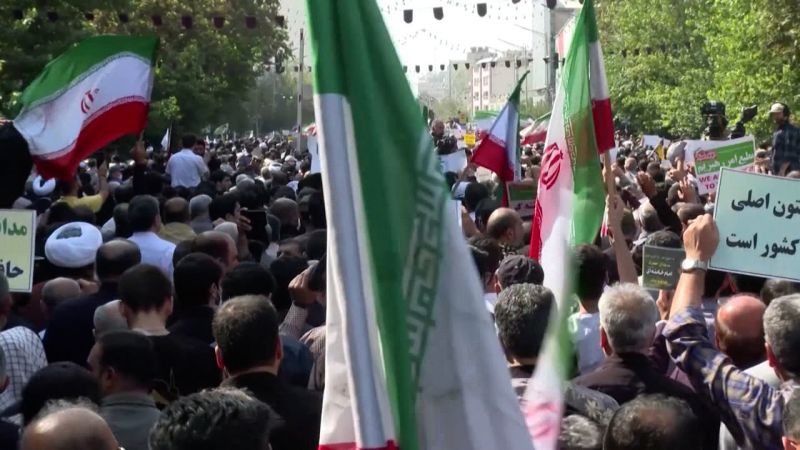
Widespread protests continue in Iran as citizens take to the streets to express their dissatisfaction with government policies. These demonstrations come at a sensitive time, as the regime faces increasing internal and external challenges.
Thousands of Iranians have gathered in several cities, including Tehran, Mashhad, and Isfahan, demanding improvements in economic and social conditions. Protesters have raised slogans calling for political change, reflecting the growing frustration among broad segments of Iranian society.
Details of the Protests
The protests began following a rise in the prices of food and fuel, exacerbating the economic crises that the country has been suffering from for years. Reports indicate that some demonstrations have witnessed clashes with security forces, who used tear gas to disperse crowds. Local sources have also reported widespread arrests among protesters, heightening tensions in the Iranian streets.
These protests come after a series of political and social events in Iran, including previous protests that erupted in 2019. Those protests were triggered by rising fuel prices, and the authorities faced difficulties in controlling the situation, resulting in dozens of deaths and hundreds of arrests.
Background & Context
Historically, Iran has witnessed numerous popular protests against the ruling regime, often reflecting dissatisfaction with economic and social policies. Since the Islamic Revolution of 1979, the regime has faced ongoing challenges from citizens demanding their basic rights. As economic crises have escalated, the situation has become more complicated, with rising unemployment and poverty rates among citizens.
These protests are part of a broader movement expressing the Iranian people's desire for change, as many Iranians seek to improve their living conditions and confront rampant corruption within government institutions. Additionally, international pressures and sanctions imposed on Iran complicate the internal situation further.
Impact & Consequences
These protests serve as a warning to the Iranian regime, as they may lead to political changes if they continue to escalate. These events could impact the stability of the regime, potentially opening the door for new political forces seeking change. Furthermore, these protests may increase international pressures on Iran, as Western countries will closely monitor the situation.
If the protests persist, the government may need to take urgent steps to address popular demands, which could lead to changes in economic and social policies. This may reflect on Iran's relations with other countries, especially amid current crises.
Regional Significance
The protests in Iran have significant implications for the Arab region, as they may inspire people in neighboring countries to hold similar demonstrations. Additionally, stability in Iran directly affects regional security, especially given the existing tensions between Iran and some Arab nations.
If the protests succeed in achieving their goals, this could lead to changes in Iranian policy towards neighboring countries, positively impacting regional relations. However, continued repression may escalate tensions, threatening security and stability in the region.
In conclusion, the popular protests in Iran indicate a growing sense of dissatisfaction among citizens and highlight the challenges faced by the ruling regime. Under these circumstances, Iran's future remains uncertain, necessitating close attention from the international community.