The capital of Mauritania, Nouakchott, is witnessing notable street tensions as the opposition rejects government measures taken to confront the energy crisis exacerbated by the conflict between the United States and Iran. This tension follows the authorities' refusal to authorize a march requested by the 'Mauritania Forward' party to protest rising prices.
In light of these circumstances, the youth movement 'Kafana' and the 'Challenge' party have launched unauthorized protests, leading to heightened tensions with security forces that intervened to disperse the demonstrations. These political forces have expressed their dissatisfaction with government policies, which they deem ineffective in addressing the worsening energy crisis.
Details of the Protests
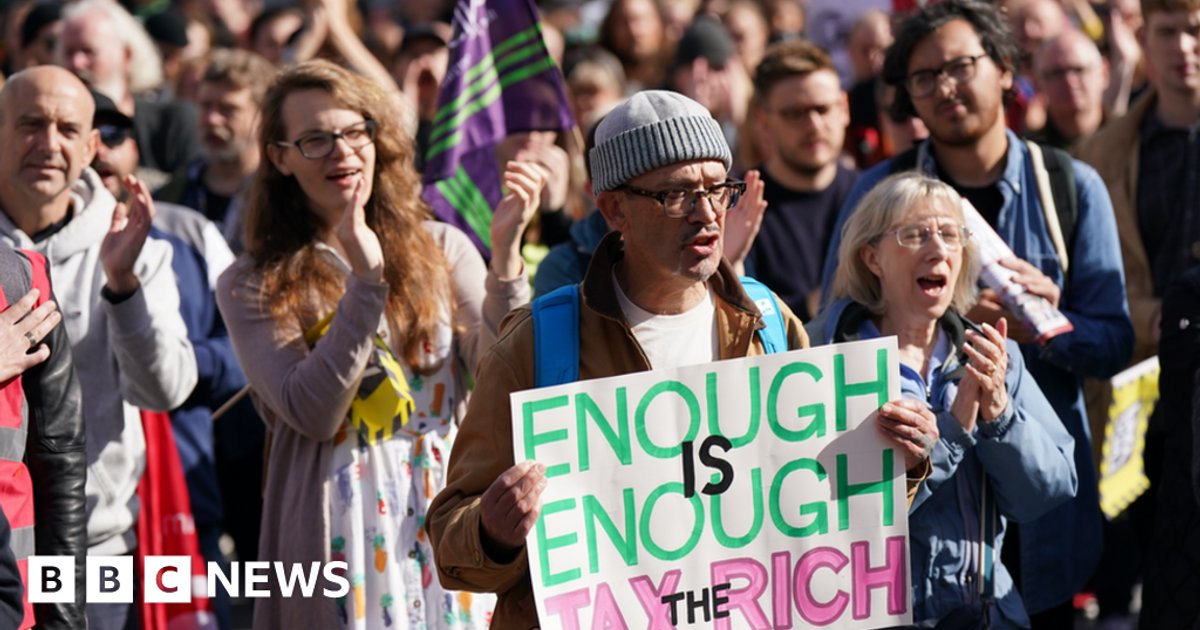
Protests are escalating in Nouakchott, with citizens taking to the streets to express their frustration over rising energy prices and essential goods. Recent days have seen confrontations between demonstrators and security forces, which have used force to disperse crowds. These events come at a sensitive time when the country is suffering from a severe energy shortage, significantly impacting the daily lives of citizens.
The Mauritanian government is attempting to address this crisis through urgent measures; however, the opposition believes these steps are insufficient. Some political factions have called for a moderation in the use of force by security, amid growing concerns over escalating violence.
Background & Context
The roots of the energy crisis in Mauritania stem from several factors, including geopolitical tensions in the region and their impact on energy supplies. Additionally, local economic policies have proven inadequate to meet the increasing challenges, resulting in a worsening situation. The country has faced shortages of electricity and fuel, affecting vital sectors such as health and education.
Historically, Mauritania has witnessed popular protests due to economic crises; however, the current situation appears more complex due to regional conditions. The government has shown an unwillingness to negotiate with the opposition, further intensifying street tensions.
Impact & Consequences
Analyses predict that these protests may exacerbate the political situation in Mauritania, as pressures on the government to provide effective solutions may increase. Furthermore, the continuation of protests could lead to greater divisions within society, as opinions vary on how to handle the crisis.
If protests persist, regional and international powers may intervene for mediation, especially since the situation in Mauritania could affect the stability of the region as a whole. Observers believe these events could pave the way for future political changes in the country.
Regional Significance
The energy crisis in Mauritania is part of a broader crisis affecting many Arab countries, where tensions are rising due to price hikes and resource shortages. These events could impact relations between Arab nations, particularly in light of shared economic challenges.
Moreover, the protests in Nouakchott may inspire protest movements in other countries facing similar crises, potentially leading to changes in government policies across the region.
In conclusion, the situation in Mauritania remains tense, with citizens looking for swift and effective solutions from the government. The continuation of protests may alter the political landscape in the country and affect regional stability.