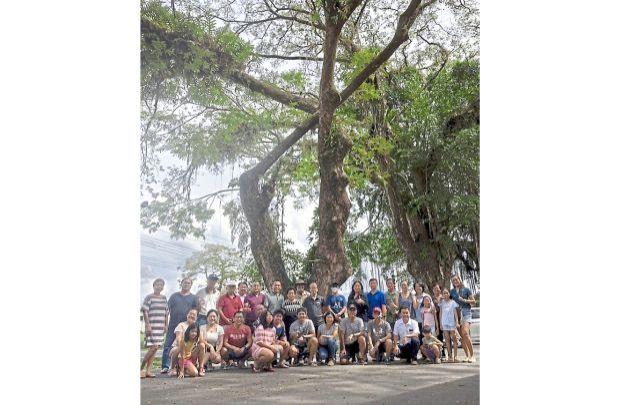
The city of Kota Kinabalu in Malaysia is preparing to cut down an ancient rainforest tree known as Samanea saman, which has withstood decades of fires, diseases, and developmental threats. This decision, set to be implemented next week, has triggered a wave of protests among local residents who consider this tree an integral part of their cultural and environmental identity.
The tree, which is several decades old, is a symbol of nature in the region and has witnessed many historical events that Kota Kinabalu has experienced. However, new development plans in the area threaten its existence, prompting residents to express their discontent with this decision.
Details of the Event
Local authorities are pursuing a developmental project that includes the construction of new facilities, which necessitates the removal of the tree. Many environmental activists have pointed out that this decision contradicts global efforts to protect the environment and preserve biodiversity. Local residents have organized peaceful protests in front of the tree's location, demanding a reconsideration of the decision.
They have also launched a petition to gather signatures, emphasizing the tree's importance in the local ecosystem and its role in improving air quality and providing shade. One protester noted, "This tree is not just a plant; it is part of our history and culture."
Background & Context
Historically, Kota Kinabalu has been known for its rich biodiversity, housing many unique plant and animal species. However, in recent years, the city has seen an increase in development projects that threaten the natural environment. This has raised concerns among residents and environmental activists who are striving to preserve what remains of green spaces.
In past years, many old trees in the city have been cut down, leading to a significant loss of biodiversity. As a result, residents have become more aware of the importance of environmental protection and have started organizing awareness campaigns to conserve natural resources.
Impact & Consequences
If the decision to cut down the tree is carried out, it could have negative repercussions on the local environment. The tree is not only a habitat for many living organisms but also plays a crucial role in regulating the local climate. Its loss could lead to deteriorating air quality and increased temperatures in the area.
Moreover, this decision may provoke negative reactions from the international community, especially given the growing interest in environmental issues and climate change. Protests could affect the city's reputation and increase pressure on local authorities to reconsider development plans.
Regional Significance
The issue of tree cutting and environmental preservation is also a significant concern facing many Arab countries. In recent years, the Arab region has witnessed numerous developmental projects that have led to the destruction of green spaces. Therefore, the experience of Kota Kinabalu could serve as an important lesson for Arab nations on how to balance development with environmental conservation.
In conclusion, it is essential to recognize that environmental preservation is a collective responsibility, and local voices must be heard in matters concerning their future. Preserving the ancient tree in Kota Kinabalu could symbolize hope in protecting nature and serve as a lesson for everyone on the importance of environmental conservation.