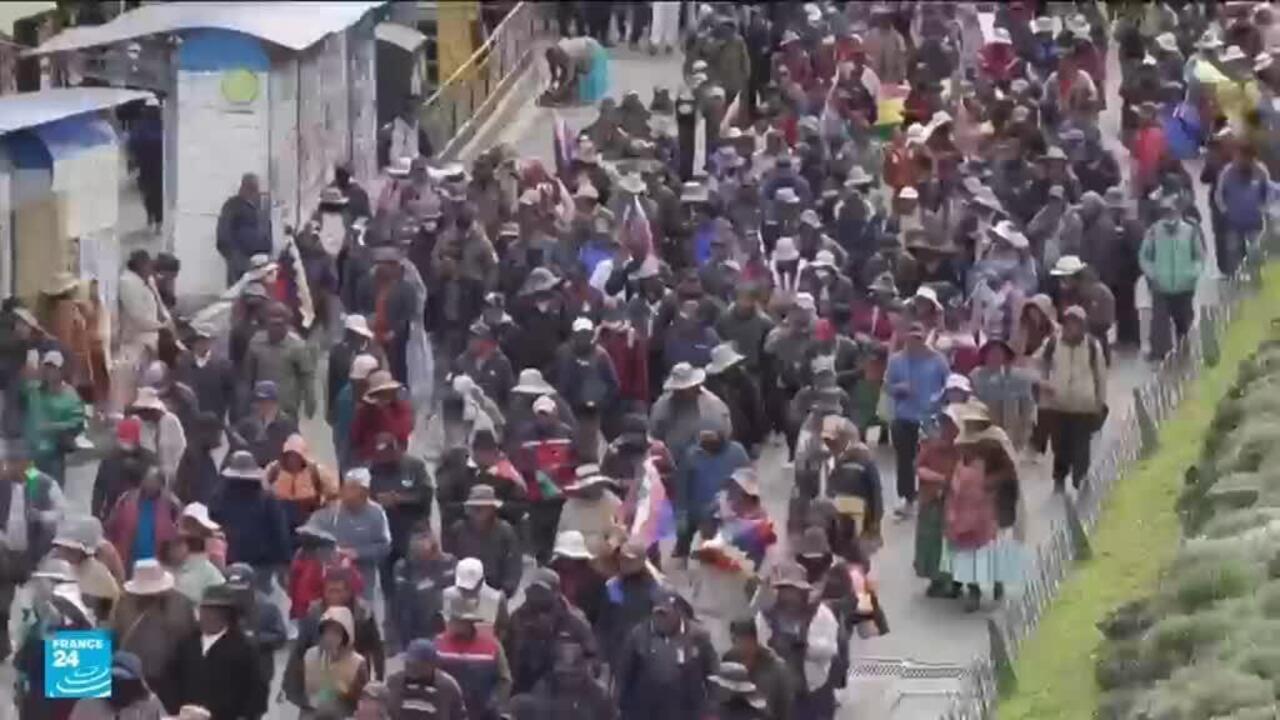
Protests in Bolivia have continued for almost four weeks, with indigenous populations taking to the streets demanding the resignation of President Rodrigo Paz. The situation in the country is escalating, with ongoing unrest and no signs of it coming to an end.
These protests come amid growing public discontent with government policies, as many citizens feel that the current administration is failing to meet their needs and aspirations. Major cities like La Paz and Cochabamba have witnessed clashes between demonstrators and security forces, resulting in injuries and arrests.
Details of the Protests
The intensity of protests in Bolivia is increasing, with demonstrators demanding improvements in living conditions and their rights as indigenous minorities. The protests have centered around issues such as poverty and social discrimination, reflecting the depth of the crisis facing the country. There are also increasing calls for political change, as protesters believe that President Paz has not fulfilled the promises made during his election campaign.
In recent days, the nature of the protests has shifted, expanding to include new segments of society, including students and workers. Security forces have used tear gas to disperse protesters, further escalating tensions in the streets.
Background & Context
Historically, Bolivia has experienced numerous popular protests expressing citizens' dissatisfaction with successive governments. Since President Paz took office, the country has faced significant economic and social challenges, leading to rising public anger. The roots of these protests can be traced to a deep-seated feeling of discrimination experienced by indigenous populations, who make up a large part of the country's demographics.
The economic situation in Bolivia has also been severely impacted by the COVID-19 pandemic, with many citizens losing their jobs and poverty rates rising. These difficult circumstances have contributed to heightened feelings of frustration and anger among citizens, making the protests more intense.
Impact & Consequences
Analysts expect the protests to continue escalating, which could lead to further political unrest in the country. If the government continues to ignore the demands of the protesters, we may witness an even greater escalation in protests, potentially affecting political stability in Bolivia. These events could also impact the country's international relations, especially with neighboring countries that are closely monitoring the situation.
These protests are likely to lead to changes in government policies, as the administration may be compelled to respond to citizens' demands to avoid worsening conditions. There are also concerns that these situations could lead to external interventions, particularly from countries with interests in the region.
Regional Significance
Although events in Bolivia may seem distant from the Arab region, there are lessons to be learned from these protests. The economic and social challenges faced by Bolivia are not unique, as many Arab countries share similar issues. These protests may inspire Arab populations to demand their rights and achieve positive change in their communities.
In conclusion, the situation in Bolivia remains under close observation, as everyone awaits how events will unfold in the coming days. The government's response to citizens' demands will be crucial in determining the country's future.