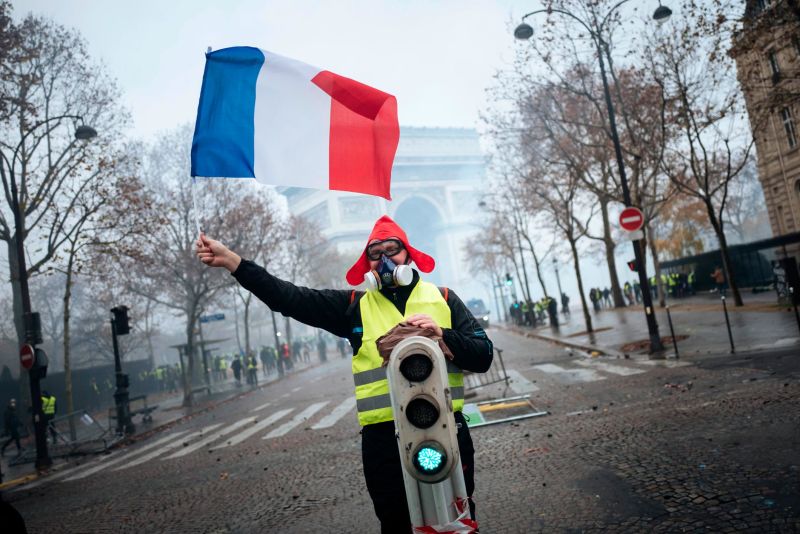
A group of bus and truck drivers is set to carry out a protest known as the 'turtle operation' in the Île-de-France region, expected to slow traffic around Paris on Monday morning. This protest comes amid rising fuel prices and the French government's response to the crisis.
Approximately 110 buses and 70 trucks are scheduled to participate in this operation, with protests starting between 10:00 and 11:00 AM, significantly impacting traffic in the area surrounding the French capital. The protesters aim to draw attention to the increasing financial burdens faced by drivers due to rising fuel prices, which have been exacerbated by current geopolitical conditions in the Middle East.
Details of the Event
These protests come at a sensitive time, as many drivers are experiencing mounting financial pressures due to rising fuel prices. Spokespersons for the protesters have indicated that the government has not taken sufficient steps to address this increase, prompting them to take this protest action. The 'turtle operation' is expected to lead to significant traffic congestion, potentially affecting public transport and logistics services in the region.
This operation is part of a series of protests that have occurred in France in recent years, where citizens express their dissatisfaction with government policies regarding taxes and prices. The country has previously witnessed significant protests such as the 'Yellow Vests' movement, which was sparked by rising fuel prices and taxes.
Background & Context
Historically, France has seen recurring popular protests reflecting dissatisfaction with government policies. In recent years, these protests have increased due to economic and geopolitical crises, including conflicts in the Middle East that impact energy prices. In 2022, the country experienced a notable rise in fuel prices, prompting many citizens to express their discontent through protests.
Fuel prices in France are among the highest in Europe, partly due to taxes imposed on fuel. These taxes have increased the financial burdens on citizens, making protests more common. In this context, the French government is seeking to balance fuel taxes with the needs of citizens.
Impact & Consequences
These protests could have negative effects on the French economy, as they may disrupt transportation and trade. Additionally, the protests could increase tensions between the government and citizens, potentially reflecting on the political stability of the country. If the protests continue, the government may be compelled to take urgent measures to address the situation, such as providing financial support to drivers or reducing fuel taxes.
These protests also signal a growing public discontent in Europe regarding economic policies, as many citizens face financial pressures due to rising living costs. Such protests may stimulate further grassroots movements in other countries, reflecting a state of dissatisfaction with government policies.
Regional Significance
The Arab region is directly affected by geopolitical crises impacting fuel prices in global markets. Rising fuel prices in Europe may lead to increased demand for oil from Arab countries, which could positively reflect on the economies of these nations. However, economic and social crises in European countries may affect regional stability, potentially leading to increased migration and economic pressures.
In conclusion, the protests in France exemplify how economic crises can impact communities and lead to popular movements reflecting citizens' discontent. It is important to monitor the developments of these protests and their effects on the French economy and international relations.