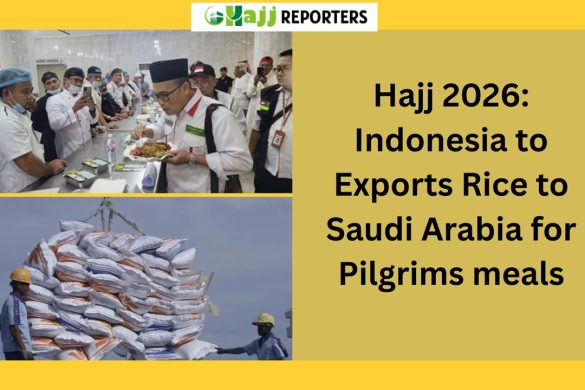
Indonesian authorities have announced the provision of comprehensive food services for Indonesian pilgrims, ensuring they receive three meals daily during the 2026 Hajj season. This initiative aims to enhance the services offered to pilgrims, focusing on meal diversity and quality.
The meals provided to pilgrims will include a variety of dishes rich in nutrients, contributing to the health of pilgrims during their time in Hajj. The Indonesian Ministry of Religious Affairs confirmed that these services aim to ensure the comfort of pilgrims and meet their nutritional needs.
Event Details
Indonesia, the largest Muslim-majority country by population, is striving to improve the Hajj experience for its citizens. The announcement of an increase in the number of meals reflects the government's commitment to providing the best services for pilgrims. The meals will feature multiple options to cater to different tastes, ensuring that the needs of all pilgrims are met.
It has also been emphasized that the meals will be prepared according to high health standards, focusing on the use of fresh and healthy ingredients. This is part of the Indonesian government's efforts to improve the quality of services provided to pilgrims, which also includes accommodation and transportation.
Background & Context
Historically, Hajj is one of the most significant religious rituals in Islam, with millions of Muslims from around the world traveling to Mecca to perform the rites. In recent years, there has been an increase in the number of Indonesian pilgrims, necessitating improvements in the services provided to them. In previous years, pilgrims faced challenges related to food services, prompting the government to take serious steps to enhance the situation.
Indonesia is considered a leading country in organizing Hajj trips, with the government aiming to provide a safe and comfortable environment for pilgrims. Numerous measures have been taken to improve service quality, including collaboration with Saudi authorities to ensure the best services for pilgrims.
Impact & Consequences
This initiative comes at a sensitive time, as the number of Indonesian pilgrims continues to rise year after year. Improving food services can contribute to enhancing the overall Hajj experience, positively affecting the health and comfort of pilgrims. Additionally, this decision may strengthen the relationship between Indonesia and Saudi Arabia, as both parties work together to ensure a successful Hajj season.
Furthermore, enhancing food services could have a positive impact on the local economy in Indonesia, potentially leading to increased demand for local food products, thereby supporting local farmers and producers.
Regional Significance
The Hajj season is a significant event in the Islamic world and greatly influences relations between Islamic countries. Improving the services offered to Indonesian pilgrims could serve as a model for other Islamic nations, fostering cooperation among countries in organizing Hajj.
Moreover, enhancing the Hajj experience for Indonesian pilgrims may encourage more Muslims from other countries to visit Mecca, reinforcing Saudi Arabia's status as a religious and cultural center in the Islamic world.
In conclusion, improving food services for Indonesian pilgrims reflects the government's commitment to providing the best possible experience for pilgrims. This decision is expected to strengthen relations between Indonesia and Saudi Arabia and highlights the importance of cooperation among Islamic countries in organizing Hajj rituals.