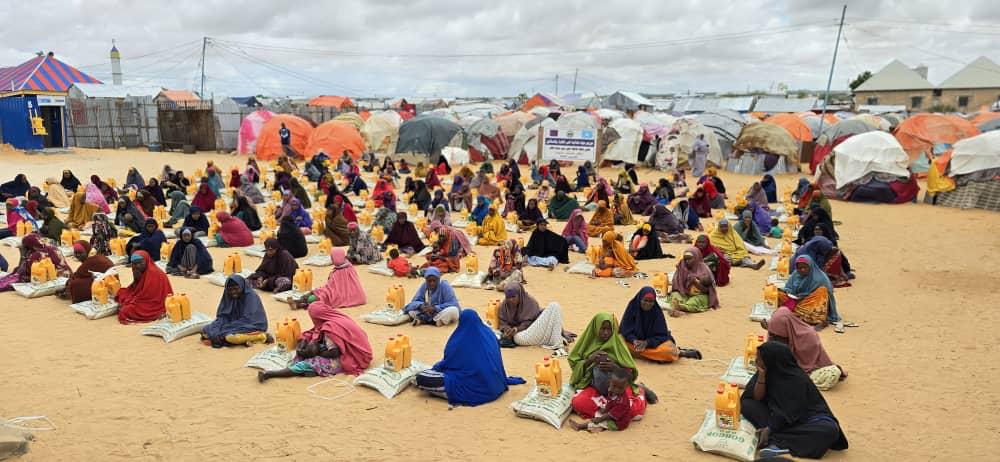
Approximately 5.6 million families in the Indonesian region of East Java have received food assistance from the government agency Bulog since mid-March 2026. This aid is part of the government's efforts to tackle the economic and social crises facing the country, especially under the difficult circumstances that citizens are experiencing.
The assistance targets the most needy families, and it has been distributed systematically to ensure it reaches the beneficiaries. Officials have indicated that this step is part of a comprehensive plan aimed at improving living standards and reducing poverty rates in the region.
Details of the Assistance Distribution
The distribution of food assistance began in mid-March, where beneficiary families were identified based on specific criteria including income and poverty levels. Coordination with local authorities has been established to ensure that aid reaches all areas, including remote regions.
The food assistance includes a variety of essential goods such as rice, oils, and wheat, contributing to meeting the daily needs of families. Psychological and social support has also been provided to some families suffering from the effects of economic crises.
Background & Context
Indonesia is one of the largest countries in Southeast Asia and faces increasing economic challenges, especially following the impacts of the COVID-19 pandemic. The country has witnessed a rise in unemployment and poverty rates, prompting the government to take urgent measures to support its citizens.
Historically, East Java has been an important agricultural center, but climate and economic changes have negatively impacted agricultural production, increasing the need for food assistance. The Indonesian government is striving to enhance food security through various support programs.
Impact & Consequences
This assistance is seen as a positive step towards improving the economic and social situation of affected families. However, challenges remain, as the government needs long-term strategies to ensure the sustainability of this aid.
These initiatives are expected to contribute to reducing poverty rates and enhancing social stability, which may lead to an overall improvement in living conditions. The success of these programs could serve as a model for other countries facing similar circumstances.
Regional Significance
Indonesia's experience in providing food assistance is a model that Arab countries could benefit from, especially in light of the economic crises faced by some nations. Arab countries can adopt similar strategies to support those in need, contributing to enhancing food security and social stability.
In conclusion, there remains an urgent need to develop effective and sustainable support programs worldwide, including in Arab countries, to address the economic and social challenges affecting the lives of millions.