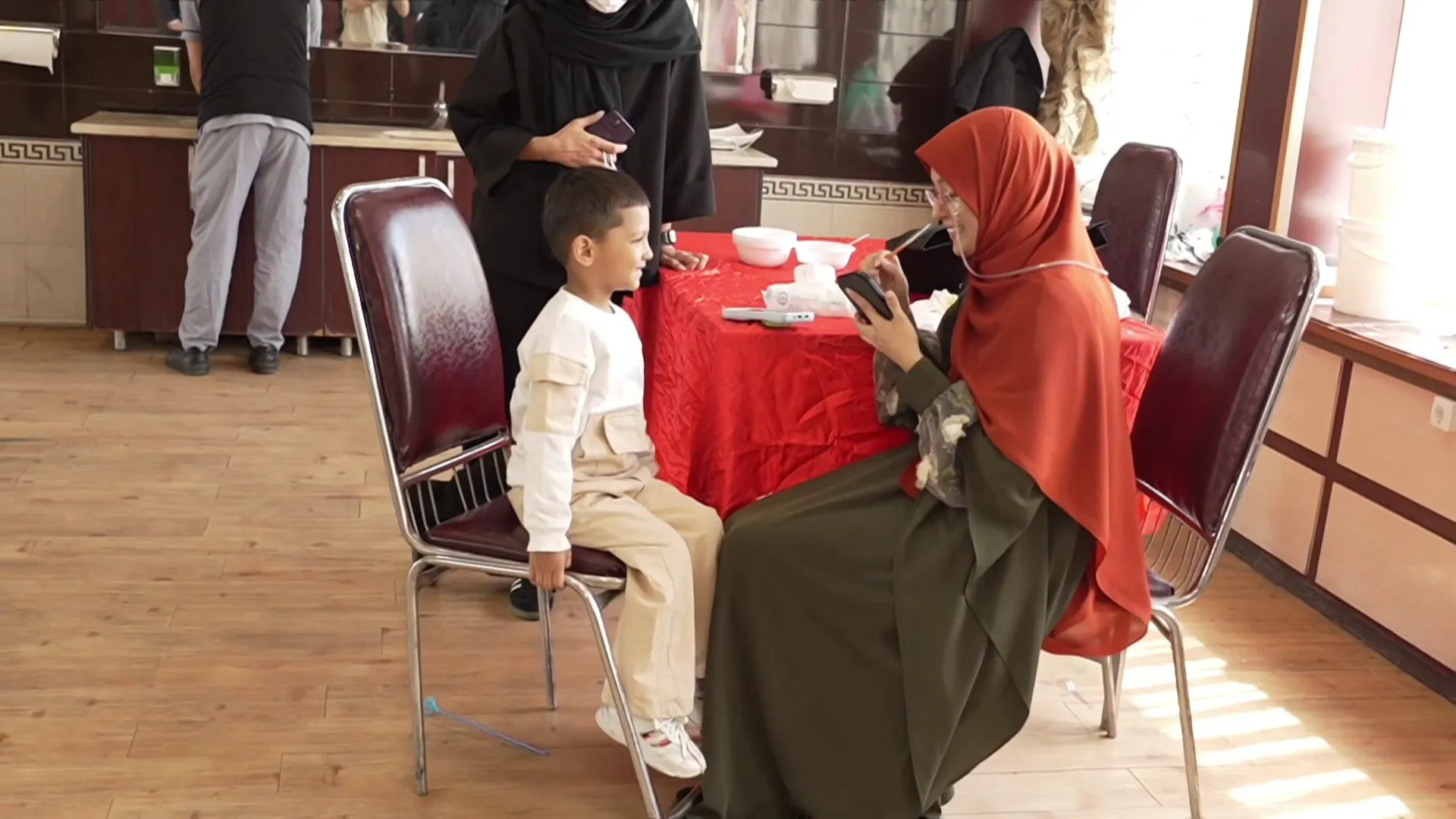
Medical and psychological efforts continue in hospitals across Tehran to mitigate the effects of war on children, as medical staff strive to alleviate the suffering of those experiencing psychological trauma due to ongoing bombardments. Amid continuous military escalation, Iran confirms its readiness for any ground movements, further intensifying tensions and deepening human and material damages within the country.
Within hospitals, attempts are being made to bring joy to the hearts of sick children through simple recreational activities, such as games and entertainment events. These initiatives aim to lessen the psychological impact on children living under the weight of war, as psychological support has become an essential part of the medical care provided to them.
Details of the Incident
Official Iranian figures indicate that the number of children who have lost their lives since the onset of the conflict has reached 216 children under the age of eight, including 17 children under the age of five. Health authorities have also confirmed the deaths of 24 medical personnel while performing their duties in targeted areas, with approximately 114 others injured, reflecting the magnitude of the disaster affecting the healthcare infrastructure.
The Iranian health authorities accuse Israel of targeting civilian facilities, including hospitals, exacerbating the suffering of civilians and reflecting the widening scope of military operations to include healthcare infrastructure. Despite the ongoing bombardment, medical staff continue their efforts within the hospital to maintain semblances of normal life and provide children with a space of hope, even if temporary, away from the surrounding war atmosphere.
Context and Background
Iran is experiencing a state of increasing military tension, with threats escalating from various parties. The current conflict reflects broader regional struggles, where political and military dimensions intertwine with humanitarian aspects. Under these circumstances, it becomes essential to provide psychological support to children, who are among the most affected by armed conflicts.
Historically, the region has witnessed numerous conflicts that have led to the destruction of healthcare infrastructure and an increase in casualty numbers, necessitating the need to think about effective strategies to address the effects of war on civilians, especially children.
Consequences and Impact
The war significantly affects children's mental health, as they suffer from anxiety and depression due to difficult living conditions. The psychological support provided by hospitals is an important step towards addressing these issues, but it is not sufficient on its own. Comprehensive strategies are required that encompass all aspects of healthcare and mental health.
Moreover, the continuation of the conflict impacts regional stability, with growing concerns about the expansion of the war and its effects on neighboring countries. The rising number of casualties, particularly among children, underscores the urgent need for peaceful conflict resolution and the protection of civilians.
Impact on the Arab Region
The events in Iran are part of a larger picture that includes conflicts in the Arab region, where humanitarian crises are recurring in many countries. The psychological and social impact of wars on children in Iran reminds us of the situation in countries like Syria and Yemen, where children suffer from the effects of ongoing conflicts.
These situations require an urgent response from the international community to provide necessary support to civilians, especially children, who are the most affected by these conflicts. Providing psychological support and healthcare is a fundamental step towards rebuilding affected communities.
In conclusion, the need for psychological support for children in conflict areas remains urgent, as these children represent the future of communities. There must be integrated efforts to ensure their safety and mental health under the difficult conditions they are living in.