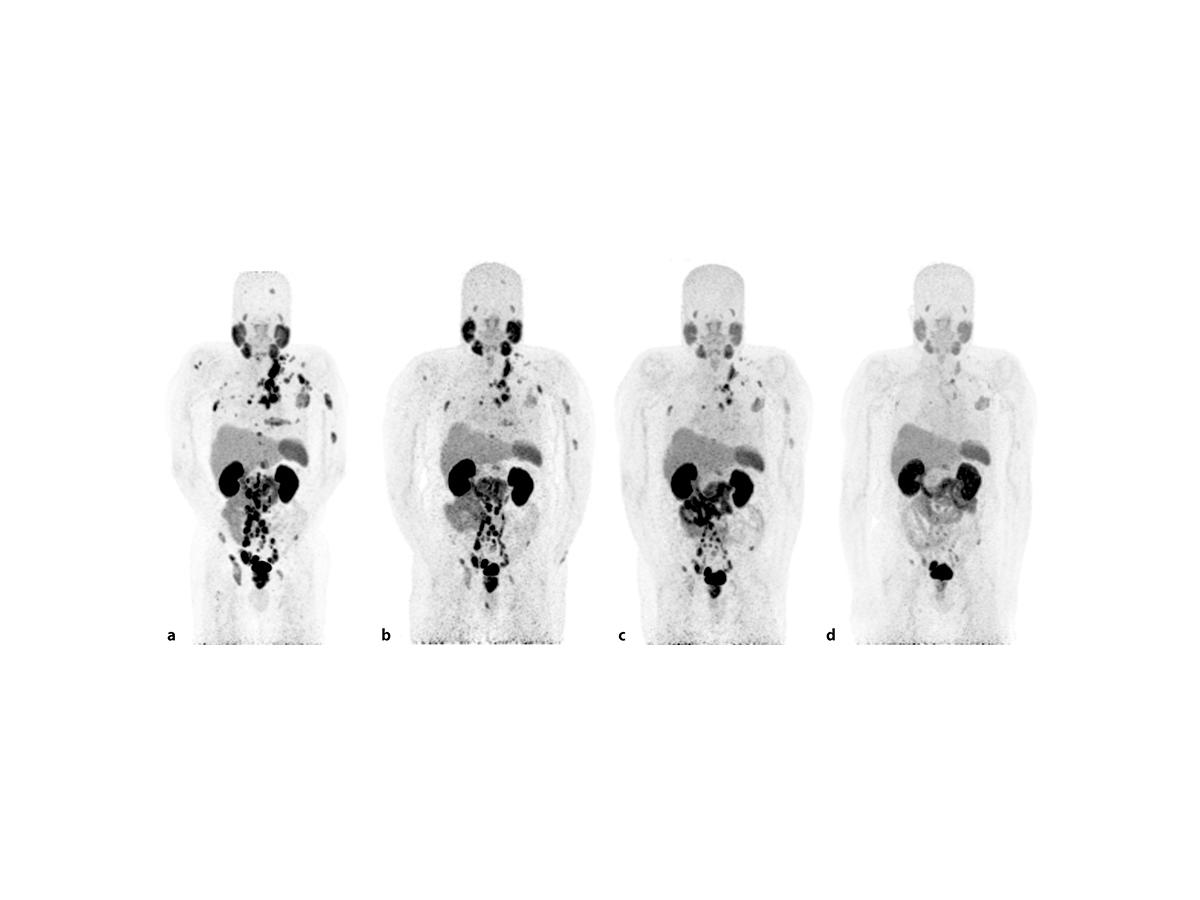
A recent study has shown that PSMA (Prostate-Specific Membrane Antigen) treatment can delay the need for hormonal therapy in patients with early-stage prostate cancer. These findings represent an important step towards enhancing available treatment options and providing new hope for patients.
Prostate cancer is one of the most common types of cancer among men, often requiring hormonal therapy after diagnosis. However, with advancements in research, there has been growing interest in PSMA treatment, which targets cancer cells more precisely.
Details of the Study
The study was conducted on a group of patients diagnosed with early-stage prostate cancer. The results indicated that treatment with PSMA helped reduce the need for hormonal therapy, meaning patients could benefit from a longer period without the need for additional medical interventions.
PSMA treatment works by targeting specific receptors on the surface of cancer cells, leading to a reduction in tumor size and preventing its spread. This method is considered revolutionary compared to traditional hormone-based therapies, which often have undesirable side effects.
Background & Context
Prostate cancer is a disease that affects millions of lives worldwide. According to the World Health Organization, millions of new cases are recorded annually, making the search for effective treatments critically important. Hormonal therapy, which relies on lowering male hormone levels, is one of the traditional methods used, but it may not be effective for all patients.
In recent years, research has made significant progress in understanding the biological mechanisms of cancer, leading to the development of new treatments like PSMA. These treatments not only aim to improve health outcomes but also seek to enhance the quality of life for patients.
Impact & Consequences
The results of this study represent an important step towards changing how prostate cancer is managed. If the effectiveness of PSMA treatment is confirmed in larger studies, it could lead to changes in current treatment protocols, providing patients with safer and more effective options.
Moreover, these findings could help reduce the costs associated with hormonal therapy, making treatment more accessible to patients worldwide. Improved treatment outcomes may also raise awareness about the importance of early detection of prostate cancer.
Regional Significance
In the Arab region, prostate cancer is a disease that requires special attention. With the increasing number of cases, it becomes essential to adopt new and effective treatment strategies. The results of the PSMA treatment study could have a significant impact on how this disease is managed in Arab countries, potentially improving treatment outcomes and reducing related mortality.
In conclusion, advancements in prostate cancer research represent new hope for patients and their families. As studies continue, we may see a shift in how this disease is managed, enhancing healing opportunities and improving the quality of life for many men.