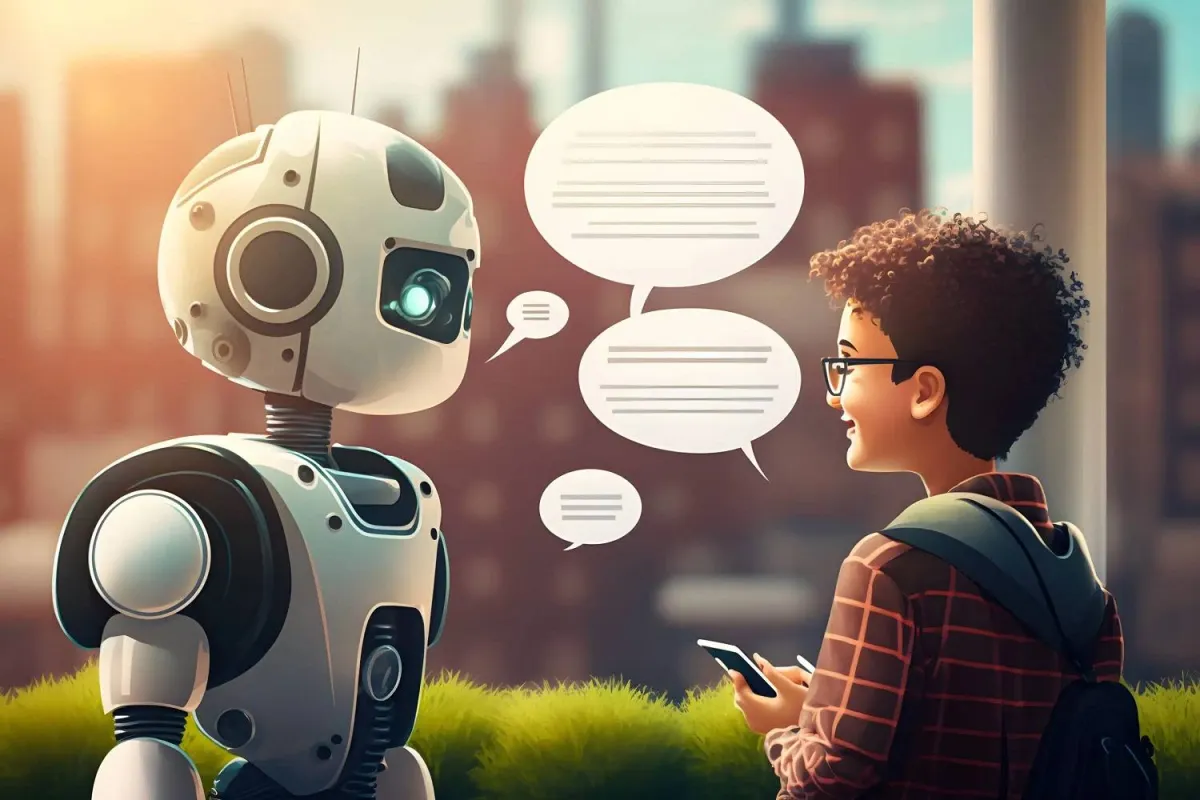
Concerns are growing regarding the psychological and cognitive effects of excessive reliance on AI-powered chatbots, particularly among teenagers and young adults. These tools have evolved beyond merely providing information or assisting with daily tasks; they have become sources of emotional support and social interaction. With this expansion, questions about the potential negative impacts of these technologies are on the rise.
Two studies conducted by Drexel and Duke Universities in the United States have uncovered alarming aspects of the growing relationship between humans and artificial intelligence. The first concern is the potential for excessive psychological dependence that may lead to addictive behaviors among users, especially teenagers. The second aspect suggests that widespread use of AI models could diminish creative diversity and make ideas more similar among users.
Details of the Findings
Researchers at Drexel University have expressed concern over the increasing attachment of teenagers to AI-supported chatbots, with indications that this usage is evolving into behavior patterns resembling addiction. The study revealed that a significant number of teenagers in the United States use applications such as 'Character.AI', 'Replika', and 'Kindroid' for emotional and psychological support, rather than just for entertainment. The study analyzed 318 posts from teenagers aged 13 to 17 on the platform Reddit, where many expressed worries about excessive use of chatbots.
The results indicated that usage typically begins for simple purposes such as entertainment or psychological support during periods of loneliness and stress, gradually evolving into excessive dependence and addictive behaviors. Some participants reported that this overuse negatively impacted their sleep, academic performance, and social relationships. Researchers noted behavioral patterns associated with addiction, such as feelings of guilt with continued use, emotional attachment to the chatbots, and withdrawal symptoms like anxiety and sadness when stopping.
Background & Context
The principal investigator of the study at Drexel, Matt Namfarbor, considers that the frequent use of chatbots becomes a concern when it begins to take on patterns similar to behavioral addiction, akin to gaming or social media. He emphasized that the core issue is not the frequency of use but rather how it affects daily life, including withdrawal from family, friends, and hobbies.
One significant concern is that chatbots may replace essential aspects of teenagers' lives during a sensitive growth phase. If emotional attachment to these tools comes at the expense of real-life relationships, it could lead to missed opportunities for developing social skills, such as interacting with others, managing relationships, and building emotional understanding.
Impact & Consequences
The other study from Duke University indicates that generative AI models widely used in writing and creativity, such as 'ChatGPT', 'Claude', and 'Gemini', tend to produce outputs that are more similar to each other compared to humans, which may limit creative diversity at the societal level. The study clarifies that creativity tests showed humans provide greater diversity in ideas and mental connections, while language models tend to homogenize thinking patterns and linguistic production.
Tests were conducted on 22 AI models and compared with over 100 human participants using established creativity measurement tools. The results showed that although these models sometimes outperformed individuals in specific creative tasks, their outputs were more similar and less diverse compared to humans.
Regional Significance
These findings require designers and developers to consider diversity in applications and incorporate mechanisms that ensure healthy and balanced use. They also call for parents and educators to monitor how these technologies are used, encourage balanced habits, and open dialogues about their role in daily life. As reliance on artificial intelligence increases, we must be cautious of its impacts on future generations.
In conclusion, these studies highlight the importance of awareness regarding the risks of excessive reliance on chatbots and the necessity of developing effective strategies to address them, ensuring they do not negatively affect the mental health and creativity of youth.