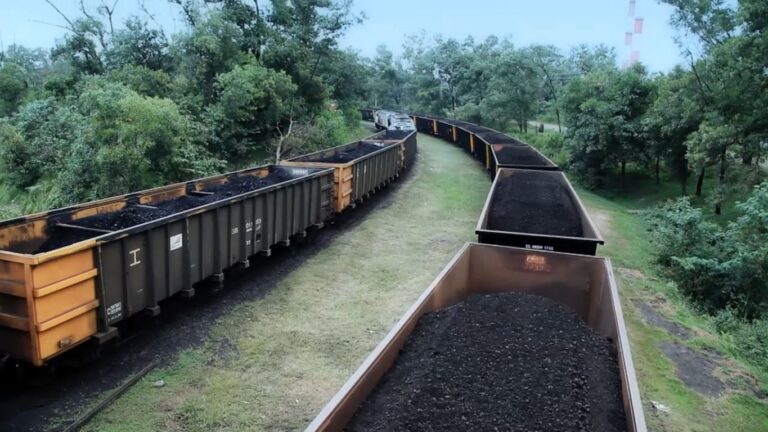
PT Bukit Asam Tbk (PTBA) has urged the Indonesian government to review the local coal pricing policy (DMO) that has been in place since 2017. The prices have remained fixed at $70 per ton, while other operational costs have risen, negatively impacting the company's production operations.
During a meeting with the Industry and Trade Committee in the Indonesian Parliament, the company's CEO, Arsal Ismail, emphasized the importance of government support in this matter, noting that current prices no longer reflect the changing economic reality. He also called for financial incentives such as tax reductions and streamlined licensing procedures, in addition to improving the infrastructure necessary to support the coal industry.
Event Details
Arsal Ismail explained that the company aims to increase its production capacity to 100 million tons by enhancing transportation operations along the Musi River in South Sumatra. The company is currently operating transport for 12 hours daily and hopes to extend this period to 24 hours to meet production goals.
He also pointed out that the company faces challenges related to illegal mining, as there has been a resurgence of unlicensed mining activities with rising coal prices. The number of illegal mining sites has decreased from 81 sites to fewer, but with the price increase, these activities have begun to re-emerge, placing an additional burden on licensed companies.
Background & Context
Indonesia is one of the largest coal producers in the world, with the coal industry playing a vital role in the Indonesian economy. Since the implementation of the DMO policy in 2017, prices have remained stable, affecting companies' ability to adapt to changes in production costs. In recent years, coal prices have experienced significant fluctuations due to rising global demand, prompting companies to call for a review of these policies.
The Indonesian government seeks to bolster the coal industry by encouraging investments in this sector, but challenges such as illegal mining negatively impact these efforts. Reports indicate that the government is working on implementing strategies to combat these illegal activities, but actual enforcement still requires improvement.
Impact & Consequences
If the government responds to PTBA's demands, it could lead to improved financial conditions for the company and increase its competitiveness in the market. Additionally, better pricing may help attract more investments into the coal sector, contributing to the strengthening of the Indonesian economy.
On the other hand, failure to take action could exacerbate issues related to illegal mining, potentially harming the environment and natural resources. Therefore, the government needs to take effective steps to ensure the sustainability of this industry.
Regional Significance
Indonesia is a key player in the coal market, and its influence extends to many Arab countries that rely on coal for energy generation. Any changes in Indonesian coal policy could affect global coal prices, which would reflect on energy costs in Arab nations.
Given the environmental and economic challenges, it is crucial for Arab countries to monitor developments in Indonesia's coal industry, as these developments could impact energy strategies in the region.