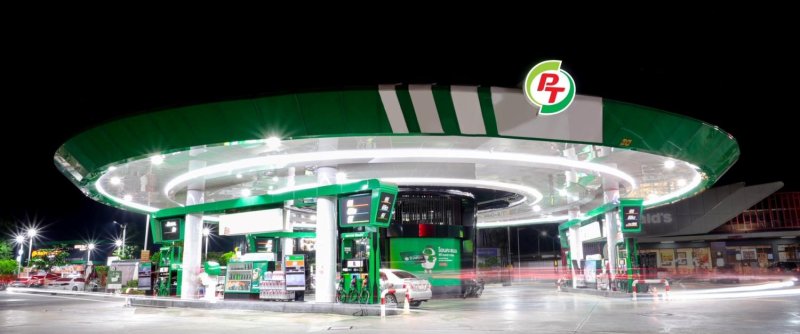
PTG Energy, considered one of the leading oil traders in Thailand, has refuted rumors suggesting it was monopolizing fuel to achieve illicit profits. The company confirmed that it does not intend to take legal action against individuals promoting these accusations, emphasizing its goal to enhance public understanding of its commitment to good governance standards.
These statements come in the context of accusations directed at the company for allegedly hoarding large quantities of diesel during a government price control period, where the price per liter was set at 29.94 baht. Critics claimed that this move benefited the family of Transport Minister Vipat Ratchakitprakarn, who is related to the company's president Phithak Ratchakitprakarn.
Event Details
In statements made by Rangsun Puangprang, the Chief Financial Officer and Head of Sustainability at PTG, he confirmed that filing lawsuits would only acknowledge that the company is being used as a political tool. He explained that the company is focused on promoting transparency and compliance with the standards set by the Thailand Stock Exchange.
On the other hand, Minister Vipat denied any wrongdoing, indicating that he did not share any confidential information from the Conflict Monitoring and Management Center in the Middle East, where he serves as director, with his family. He also noted that he reduced his stake in the company from 20 million shares to 1 million shares after entering the political arena.
Background & Context
The energy sector in Thailand is a vital area that directly impacts the national economy. The country has experienced fluctuations in fuel prices in recent years due to geopolitical tensions and supply crises. In this context, the Thai government seeks to regulate the market to ensure price stability and protect consumers.
PTG was established in 2006 and has since become one of the leading fuel trading companies in the country. The company aims to expand its customer base through innovative loyalty programs, currently boasting over 25 million members in its Max Card program, which offers discounts on fuel and other products.
Impact & Consequences
This issue raises questions about how rumors can affect companies' reputations in the market, especially under current economic conditions. Rumors can lead to a decline in investor and consumer confidence, negatively impacting the company's financial performance.
Moreover, the political tensions associated with the minister and his family may complicate matters further, potentially influencing government decisions regarding market regulation. Meanwhile, PTG seeks to strengthen its position by focusing on transparency and compliance with standards.
Regional Significance
The PTG case exemplifies the challenges faced by companies in emerging markets, where politics plays a significant role in shaping the business environment. In the Arab region, companies also face similar challenges, as political and economic crises can affect market stability and investor confidence.
In conclusion, the PTG Energy case remains under scrutiny, with everyone watching how events unfold amid political and economic tensions. Enhancing transparency and compliance with standards will have a significant impact on the company's future and its reputation in the market.