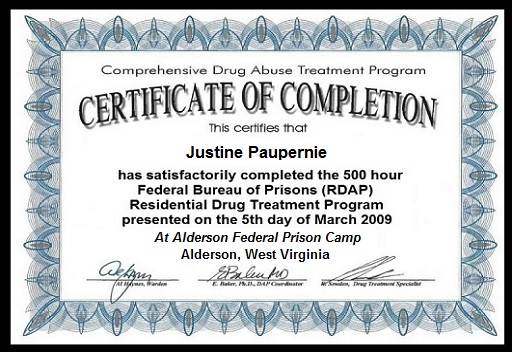
Recent reports indicate that purchasing early release for inmates, particularly in cases involving children, has become a common choice among families. Cash payments are considered the preferred option for many parents seeking to bring their children home as quickly as possible.
This trend reflects a complex reality in many communities, where individuals face economic and social pressures that drive them to make decisions that may be illegal or unethical. Simultaneously, this raises questions about the fairness of the judicial system and the accessibility of justice for all.
Details of the Trend
Reports suggest that many families resort to paying large sums of cash to secure the release of their children, raising concerns about the impact of these practices on the judicial system. In some cases, it is believed that money is used as a means to influence judicial decisions, which raises questions about the integrity of justice.
At the same time, the judicial system faces significant challenges in addressing these phenomena, as early release for inmates is seen as a tool to alleviate overcrowding in prisons. However, when it is used as a means of purchase, it threatens the principles of justice.
Background & Context
Historically, many countries have witnessed similar instances where money was used as a means to influence judicial decisions. Sometimes, these practices are driven by corruption, leading to widespread inequality in access to justice.
The economic pressures faced by families in many communities make it difficult for them to bear the costs of legal proceedings, pushing them to seek alternative solutions, even if they are illegal.
Impact & Consequences
This phenomenon underscores the urgent need for reforms in the judicial system to ensure justice for all. There must be clear and transparent mechanisms to handle early release cases, so that money does not influence judicial decisions.
Moreover, these practices could lead to increased corruption within the judicial system, threatening citizens' trust in legal institutions and widening the gap between the rich and the poor.
Regional Significance
In the Arab region, this issue is particularly sensitive, as many countries suffer from economic and social problems that affect families' ability to access justice. The prevalence of these phenomena could exacerbate social crises and increase instability.
In conclusion, the current situation requires urgent action from governments and civil societies to ensure justice for all and to prevent the use of money as a means to influence the judicial system.