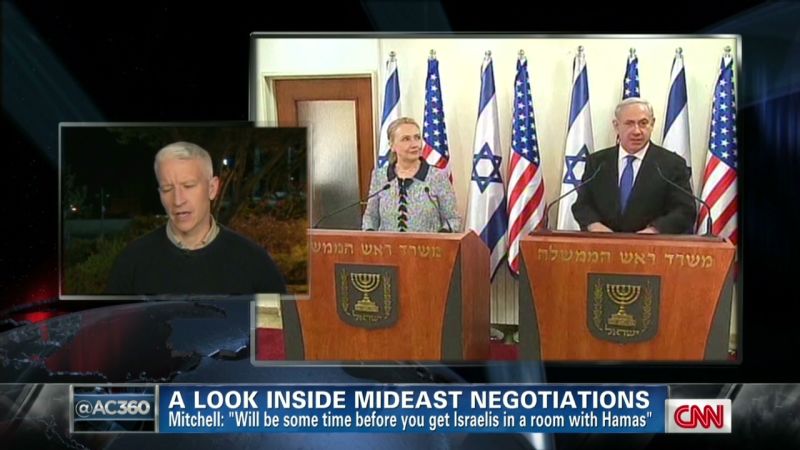
Events are accelerating in the Middle East as negotiations regarding the regional conflict persist, with involved parties striving to find peaceful solutions to end the ongoing state of tension. These negotiations are taking place at a sensitive time, as the intensity of disputes has recently increased, underscoring the importance of reaching effective agreements.
The current negotiations encompass a range of key issues, including a ceasefire, prisoner exchanges, and security guarantees. Informed sources have confirmed that the involved parties are making significant efforts to reach a consensus that ensures regional stability and alleviates civilian suffering.
Details of the Negotiations
Reports indicate that the negotiations are being conducted under international sponsorship, with several countries participating in mediating between the conflicting parties. Multiple rounds of talks have been held in various capitals, reflecting the international community's commitment to resolving the dispute. There are also increasing calls from human rights organizations for the necessity of protecting civilians during this process.
In a related context, recent days have witnessed an escalation in military operations, prompting many international actors to warn of the implications for regional security. Some countries have expressed their readiness to provide logistical and humanitarian support to those affected by the conflict.
Background & Context
The roots of the conflict trace back to long-standing political and social tensions, with the region experiencing numerous wars and disputes. Various factors, including external interventions and internal conflicts, have complicated the situation. As international pressures mount, it appears that the involved parties are beginning to recognize the importance of dialogue as a means to resolve the conflict.
In recent years, the region has undergone significant shifts in power dynamics, affecting political landscapes. These changes have led to the emergence of new alliances and unprecedented tensions, further complicating peace efforts.
Impact & Consequences
If the negotiations succeed, they could lead to relative stability in the region, potentially paving the way for development projects and reconstruction. However, if they fail, it could result in greater escalation of the conflict, threatening regional security and increasing civilian suffering.
The potential outcomes of these negotiations may also impact relations between major countries in the region, as each party seeks to achieve its own interests. Therefore, any agreement may require concessions from all involved parties.
Regional Significance
The current negotiations hold significant importance for the Arab region, as their outcomes could affect stability in neighboring countries. Moreover, the success of the negotiations could encourage peace efforts in other parts of the Arab world, reflecting the importance of dialogue as a means to resolve disputes.
In conclusion, all eyes remain focused on the results of these negotiations, with many hoping they will yield solutions that contribute to ending civilian suffering and achieving lasting peace in the region.