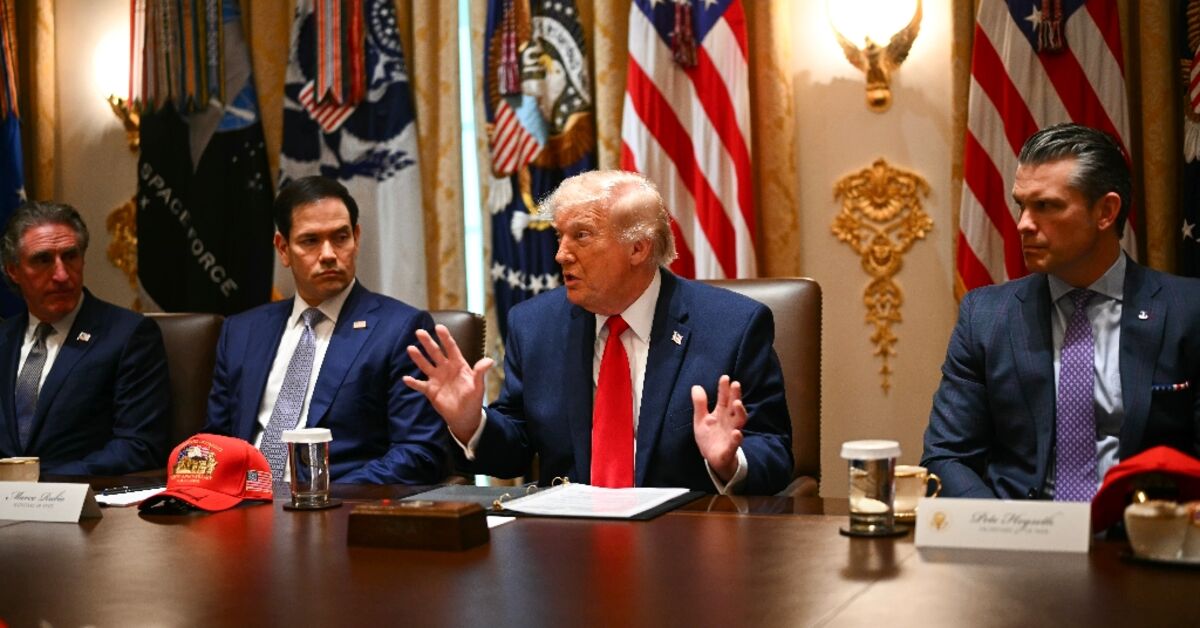
The United States and Iran are striving to reach an agreement to extend the fragile current ceasefire for 60 days, but this progress remains contingent on the approval of President Donald Trump, according to American sources. These developments follow mutual accusations from Washington and Tehran of violating ceasefire terms, underscoring the ongoing tensions in negotiations after three months of conflict in the Middle East due to American and Israeli strikes on Iran.
As pressures mount on both sides, reports indicate that negotiations may face additional hurdles due to political instability in the United States, where Trump is grappling with both internal and external challenges that could influence his decisions. The situation in the region remains volatile, further complicating efforts to reach a lasting agreement.
Details of the Event
Negotiations between the United States and Iran continue under difficult circumstances, with each side seeking to achieve political gains. The current ceasefire, reached earlier, could be a step towards de-escalating tensions, but the ongoing mutual accusations could exacerbate the situation. In this context, negotiators are looking for compromises that ensure temporary stability in the region.
This ceasefire represents a true test of the political will of both parties, as any violation could lead to renewed military escalation. Negotiators have expressed their willingness to explore new mechanisms to ensure compliance with ceasefire terms, reflecting a desire to avoid further escalation.
Background & Context
Historically, relations between the United States and Iran have been marked by increasing tensions since the Iranian Revolution in 1979. Economic sanctions and military pressures have exacerbated the situation, making any attempt to reach an agreement fraught with risks. In recent years, pressures have intensified due to regional conflicts, rendering the area more fragile.
International pressures on Iran, including sanctions imposed by the United States, have contributed to rising tensions. However, diplomatic efforts continue, as the international community seeks peaceful solutions to ongoing conflicts in the region.
Impact & Consequences
If an agreement to extend the ceasefire is reached, it could lead to a reduction in tensions in the region, allowing diplomatic efforts to advance. However, if negotiations fail, it could result in renewed military escalation, impacting both regional and global security.
These negotiations are significant not only for the United States and Iran but also for many other countries in the region that are directly or indirectly affected by the conflicts. Any escalation could lead to widespread economic and political repercussions, necessitating the attention of the international community.
Regional Significance
The situation in Iran directly affects the security and stability of neighboring Arab countries. Any escalation in the conflict could lead to an influx of refugees and increased sectarian tensions, threatening stability in the region. Arab nations are closely monitoring the developments in the negotiations, as their outcomes could influence their foreign policies and national security.
Ultimately, hope remains that the involved parties can overcome current obstacles and reach an agreement that ensures peace and stability in the region, benefiting all parties involved.