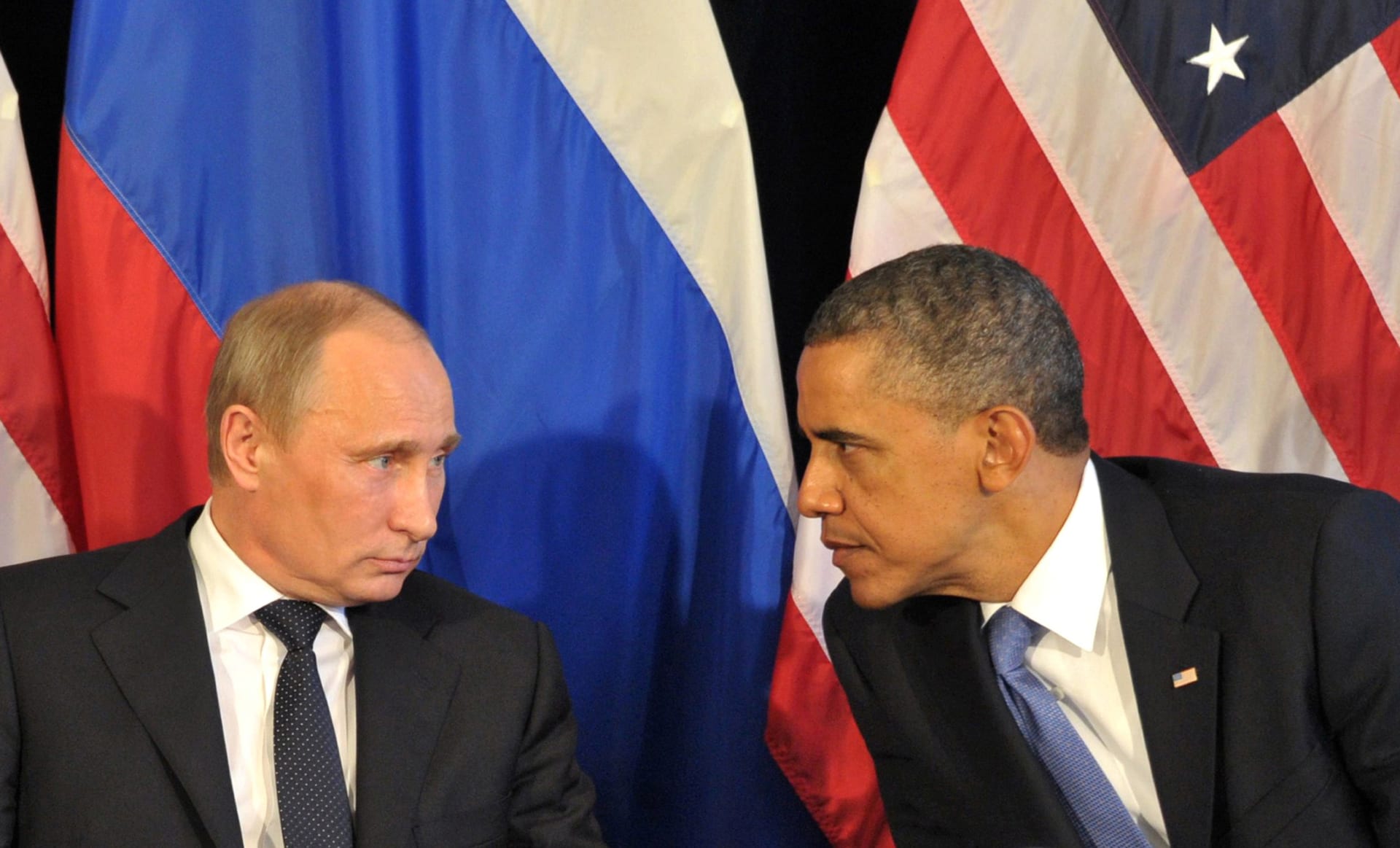
Russian President Vladimir Putin and Egyptian President Abdel Fattah Sisi have called for an immediate ceasefire in the Middle East during their discussions on the current situation in the region. This appeal comes at a time when many Arab countries are witnessing escalating tensions and conflicts, increasing the urgent need for peace and stability.
These discussions are considered an important step in the framework of international efforts aimed at achieving stability in the Middle East, as the two leaders seek to enhance cooperation between their countries in facing regional challenges. Putin emphasized the importance of dialogue and understanding among the concerned parties, while Sisi stressed the necessity of joint action to achieve security and peace in the region.
Details of the Meeting
The talks between Putin and Sisi took place during an official visit by the Egyptian president to Moscow, where the meetings addressed a range of regional and international issues. The discussions focused on the situations in Syria, Libya, and Palestine, in addition to the increasing tensions in other areas of the Middle East.
Both leaders reiterated the importance of supporting diplomatic efforts to resolve conflicts, calling for an end to hostilities that negatively impact civilian lives and hinder development efforts in the region. Both leaders expressed their readiness to work together to enhance regional stability.
Background & Context
Historically, the Middle East has witnessed numerous armed conflicts and political struggles that have exacerbated humanitarian conditions. Since the beginning of the new millennium, crises in Iraq, Syria, and Libya have escalated, leading to serious repercussions for regional and international security.
In recent years, cooperation between Russia and Egypt has become increasingly important in the context of rising challenges in the region. Russia seeks to enhance its influence in the Middle East, while Egypt is considered a key player in achieving stability in the Arab world. This dynamic has contributed to strengthening bilateral relations between the two countries in various fields, including economy and security.
Impact & Consequences
The call for a ceasefire comes at a critical time, as fears of escalating conflicts in the region are growing. If this call is heeded, it could lead to a reduction in tensions and an improvement in humanitarian conditions in many conflict-affected countries.
Furthermore, cooperation between Russia and Egypt could contribute to enhancing international efforts aimed at achieving peace. This collaboration could have a positive impact on relations between Arab countries and Russia, bolstering its role as a mediator in regional conflicts.
Regional Significance
These discussions are viewed as a positive step towards achieving stability in the Middle East, reflecting the desire of Arab leaders to work with major powers to attain peace. The response of the concerned parties to this call may open the door for new dialogues and greater cooperation in the future.
In conclusion, the situation in the Middle East remains in urgent need of collective efforts to achieve peace and stability. The cooperation between Russia and Egypt could serve as a model in this context, reflecting the importance of diplomacy in addressing complex crises.