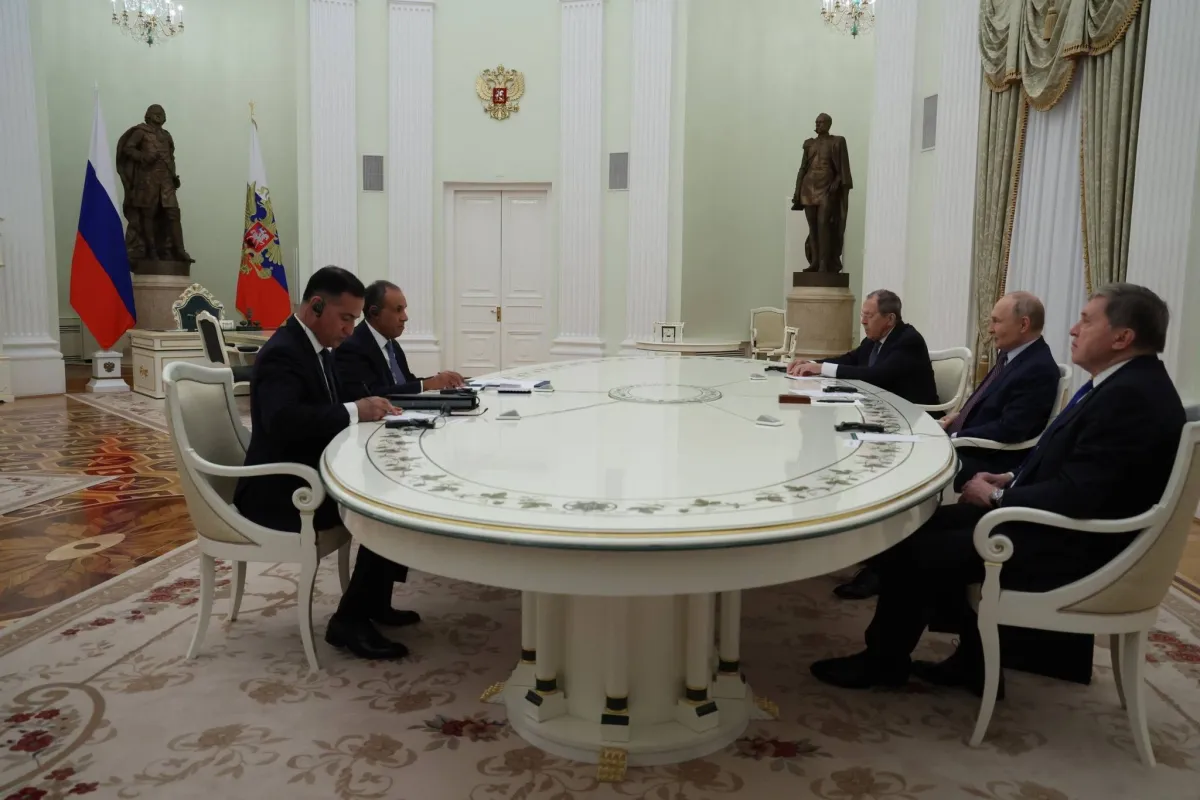
Russian President Vladimir Putin announced his country's intention to create a 'logistics center for grain and energy' in Egypt, reflecting Egypt's efforts to tackle the increasing challenges posed by the Iranian war. This announcement was made during his meeting with Egyptian Foreign Minister Badr Abdel Atti in Moscow, where Putin noted the existence of 'important ideas' worth discussing.
Egypt is the world's largest wheat importer, purchasing significant quantities of Russian wheat. Estimates from Rusagrotrans indicate that Egypt has imported approximately 7.6 million tons of Russian grain so far this season, a level similar to that imported last year.
Event Details
Putin stated that he directed the Russian government to cooperate with Egypt in food supply areas, especially grains, indicating that Russia would not face any supply issues due to the abundant harvest achieved last year. These statements come at a time when Egypt is striving to enhance its food stability amidst global crises.
Dr. Mohamed Fathy Salem, former advisor to the Food and Agriculture Organization of the United Nations, confirmed that Egypt has the necessary capabilities to become a logistics hub for grain and energy. He explained that this center should be close to the Suez Canal to facilitate the transport of grains to African countries, which will contribute to stabilizing food product prices in the Egyptian market.
Context and Background
Egypt aims to increase wheat cultivation, a strategic commodity, by providing new facilities to farmers. The Egyptian government has launched a comprehensive plan to ensure the success of the current wheat planting season, which extends from November to May. This plan aims to increase the agricultural area allocated for wheat to 3.5 million acres.
These steps are part of a broader strategy aimed at enhancing food security in Egypt, especially in light of changing global conditions. Additionally, cooperation with Russia in this area reflects the importance of bilateral relations between the two countries.
Consequences and Impact
The idea of establishing a 'logistics center for grain and energy' in Egypt carries significant economic and strategic dimensions. Dr. Rashad Abdo, an economic expert, pointed out that this center will contribute to achieving food and energy security, thereby enhancing price stability in the local market. It will also provide Egypt with a strategic stockpile to secure local consumption amidst regional tensions.
On the other hand, this center will enable the Russian side to ensure the delivery of its grain products to African and Arab markets, enhancing Russia's competitiveness in these markets.
Impact on the Arab Region
This initiative comes at a time when many Arab countries are facing challenges in food security, making it essential to enhance regional cooperation in this area. Establishing a logistics center in Egypt could serve as a model for other countries in the region.
In conclusion, this cooperation between Egypt and Russia represents an important step towards enhancing food security in the region and reflects the significance of joint efforts to address the increasing challenges amid current global conditions.