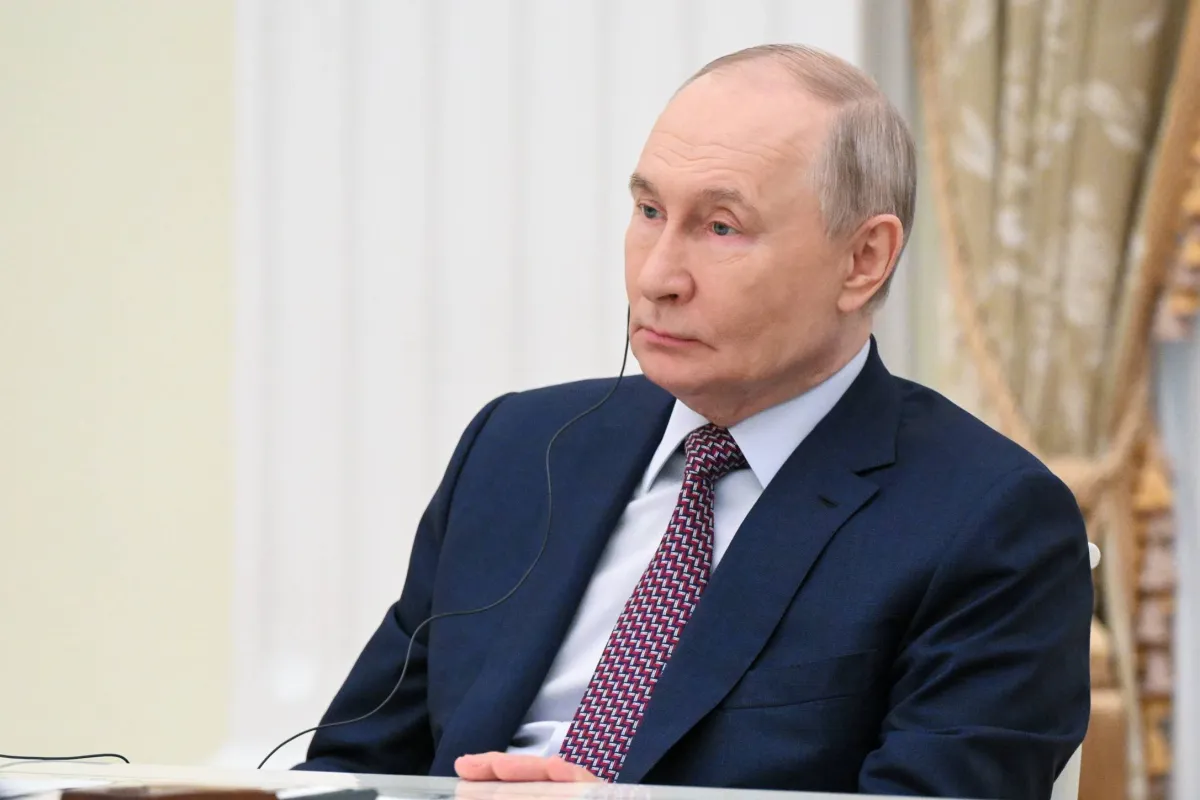
Kremlin spokesperson Dmitry Peskov confirmed that Russian President Vladimir Putin is dedicating considerable time to monitor the escalating crisis in the Middle East. These statements come at a sensitive time, as the region is experiencing increasing tensions following the joint airstrikes carried out by the United States and Israel on Iran.
The repercussions of these strikes continue to destabilize the region, raising widespread concern in financial markets and increasing pressure on US President Donald Trump to resolve the conflict swiftly. The current situation necessitates urgent diplomatic moves to avoid exacerbating the crisis.
Details of the Event
For nearly five weeks, war has erupted against Iran, leading to an escalation of fighting in the region. Peskov indicated that Putin is closely monitoring the situation and is evaluating the options available to Moscow in this context. Meanwhile, Dmitry Medvedev, Deputy Chairman of the Russian Security Council, stated that Moscow needs to reassess its stance on Ukraine's EU membership, indicating that this union is no longer just an economic bloc but could evolve into a military alliance hostile to Russia.
Medvedev added that it is time to abandon the lenient position towards neighboring countries seeking to join what has now become a military and economic bloc. These statements reflect Moscow's concerns regarding Western trends in the region, which could impact its strategic interests.
Background & Context
Historically, Russia has played a significant role in the Middle East, seeking to enhance its influence by supporting certain regimes and movements. As tensions rise between Iran and the United States, Moscow finds itself in a position that requires it to make precise strategic decisions to safeguard its interests. Additionally, the crisis in Ukraine casts a shadow over Russian-Western relations, complicating the situation further.
At the same time, the Arab region is witnessing significant transformations, with increasing security and economic challenges. These conditions make it essential for Arab countries to adopt new strategies to deal with the multiple crises they face.
Impact & Consequences
The ongoing crisis in the Middle East could exacerbate humanitarian and economic conditions in the region. Furthermore, the rising tensions may negatively affect regional stability, threatening peace and development efforts. In this context, the international community must act urgently to alleviate tensions and work towards lasting solutions.
Moreover, the impact of these events extends to global markets, where disruptions in the Middle East could lead to rising oil prices and increased economic pressures on energy-importing countries. Therefore, monitoring the developments of the crisis is vital for all concerned parties.
Regional Significance
For the Arab region, the escalation of crises in the Middle East poses a significant challenge. Arab countries suffering from internal conflicts or tensions with their neighbors may find themselves in a more complicated situation. Additionally, the increasing crises could lead to a flow of refugees and increased pressure on infrastructure and essential services.
In conclusion, the current situation in the Middle East requires effective diplomatic moves from all parties to ensure stability and peace in the region. Cooperation between Arab countries, Russia, and the United States can contribute to easing tensions and ensuring a better future for the region.