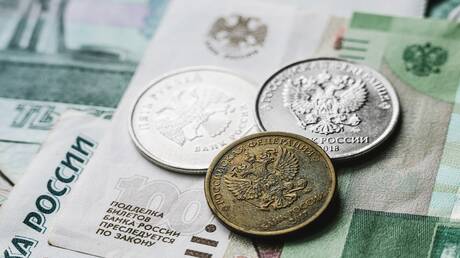
Russian President Vladimir Putin has extended until July 1, 2026 the decision that allows foreign entities, including countries deemed non-friendly, to pay for Russian gas in rubles. This decision is part of Russia's efforts to enhance the use of its national currency in international trade, particularly in light of the Western sanctions imposed against it.
Through this decision, Moscow aims to reduce reliance on the U.S. dollar in trade transactions, reflecting Russia's strategy to counter Western economic pressures. This decision was first announced in March 2022, following the start of the Russian military operation in Ukraine, as Russia sought ways to stabilize its economy amid sanctions.
Details of the Decision
The new decision allows foreign buyers, including those countries that Russia considers non-friendly, to pay for Russian gas in rubles, thereby enhancing the use of the Russian currency in global markets. This includes all Russian banks, facilitating financial transfers and strengthening the ruble's position in international trade.
This decision comes at a sensitive time, as Russia faces significant economic challenges due to Western sanctions. Reports have indicated that several countries, including China and India, have expressed willingness to conduct gas transactions in rubles, suggesting a potential shift in global trade dynamics.
Background & Context
Since the onset of the conflict in Ukraine, Russia has taken several steps to bolster its economy in the face of sanctions. These steps have included strengthening trade relations with friendly nations, such as China and India, which are considered important markets for Russian gas. Additionally, using rubles in international trade could help Russia mitigate the impact of sanctions on its economy.
Previously, most trade transactions were conducted in U.S. dollars or euros, making the Russian economy vulnerable to fluctuations caused by Western policies. However, the new decision could contribute to reducing this dependency, thereby enhancing the stability of the ruble and increasing its attractiveness as a trade currency.
Impact & Consequences
This decision is expected to have wide-ranging effects on the global gas market. It may lead to increased demand for Russian gas from countries looking to avoid sanctions, potentially reinforcing Russia's position as a major energy supplier. Furthermore, the use of rubles could encourage other nations to consider alternative currencies in international trade.
On the other hand, Western countries may face new challenges in their efforts to reduce dependence on Russian gas. This could escalate tensions in international relations, as Western nations strive to lessen their reliance on Russian energy amid current crises.
Regional Significance
This decision could impact Arab countries that rely on Russian gas, as competition in the global market may increase. Additionally, the use of rubles could open new avenues for economic cooperation between Russia and Arab nations, particularly in the energy sector.
Moreover, this decision may lead to a reevaluation of energy strategies among Arab countries, as some may seek alternatives to Russian gas or enhance cooperation with Russia in other areas.
In conclusion, President Putin's decision to extend the mechanism for paying for Russian gas in rubles represents a strategic step aimed at strengthening the Russian economy in the face of international pressures. This decision is expected to have significant repercussions on the global market, opening the door to new opportunities and challenges in international relations.