In his recent statements, Russian President Vladimir Putin confirmed that the United States has altered its strategy and interest in the conflict in Ukraine since the war against Iran began. This remark was made during a press conference with foreign journalists in Saint Petersburg, where Putin clarified that the current situation necessitates the American administration to focus its attention on the Iranian issue.
Putin added, "It is natural for us all to see that the American administration is forced to deal with this issue as a priority above all other issues." These statements reflect Russian concerns regarding changes in American foreign policy and their impact on global conflicts.
Details of the Event
Putin's remarks come at a sensitive time, as tensions in the Middle East escalate alongside the conflict in Iran. This shift in American focus represents a radical change in strategy, as the United States had previously invested significant efforts to resolve the dispute in Ukraine. However, recent events have compelled Washington to reassess its priorities.
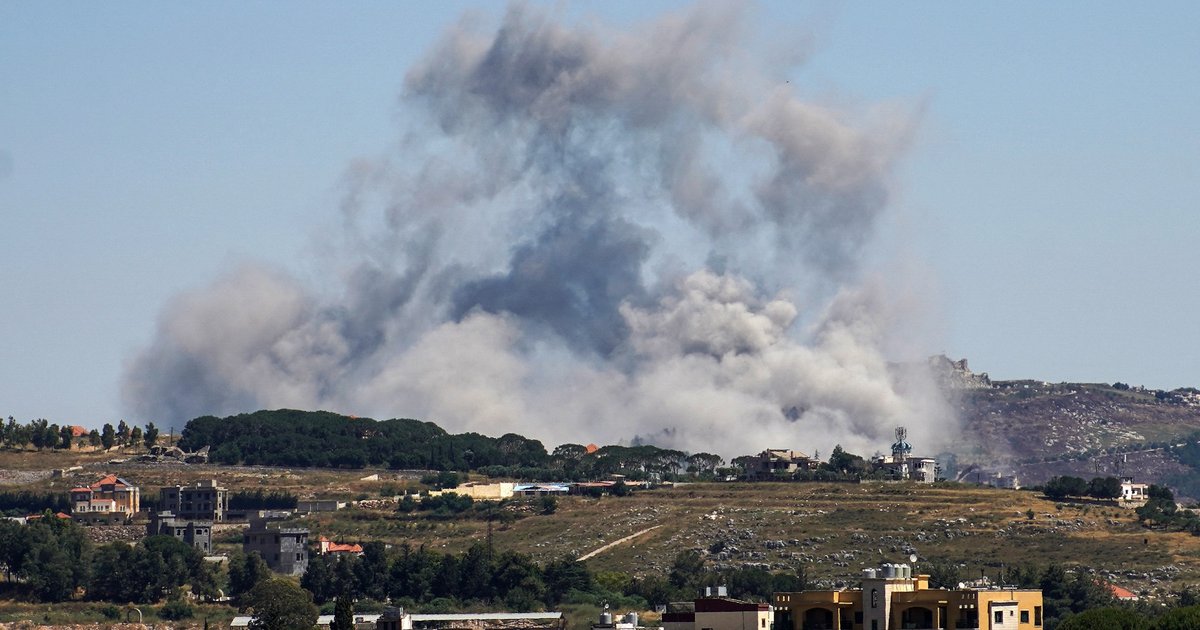
This statement coincides with an increase in military attacks in Iran, further complicating the security situation in the region. This shift in American focus demonstrates how multiple crises can influence the foreign policies of major powers.
Background & Context
Historically, the United States has pursued an active policy in Ukraine, supporting the Ukrainian government against Russian-backed separatists. However, the conflict in Iran has overshadowed these efforts, prompting a reevaluation of Washington's strategies. Since the beginning of the war in Ukraine, there have been growing calls from some European countries for increased military and economic support for Ukraine, but the situation in Iran may alter these dynamics.
Iran is considered a key player in the Middle East, wielding significant influence over many regional issues. Therefore, any escalation in the Iranian conflict could directly impact stability in the region, making it essential for the United States to reassess its priorities.
Impact & Consequences
These developments could lead to significant changes in American foreign policy, potentially affecting the military and economic support provided to Ukraine. Additionally, a focus on Iran may open the door for Russia to strengthen its influence in Ukraine, further complicating the conflict.
Moreover, this shift could impact relations between the United States and its European allies, who may feel concerned about a reduction in American support for Ukraine. At the same time, Russia could take advantage of this situation to bolster its position in the region.
Regional Significance
For the Arab region, escalating tensions in Iran could have direct implications for regional security. Arab nations may be apprehensive about the intensifying conflict, especially given the presence of regional powers like Iran seeking to enhance their influence.
Furthermore, changes in American policy could affect relations between Arab states and the United States, necessitating a reevaluation of Arab strategies in dealing with major powers.
In conclusion, Putin's statements reflect a significant shift in global politics, as these dynamics could influence both current and future conflicts. It is crucial to monitor upcoming developments to understand their impact on regional and international stability.