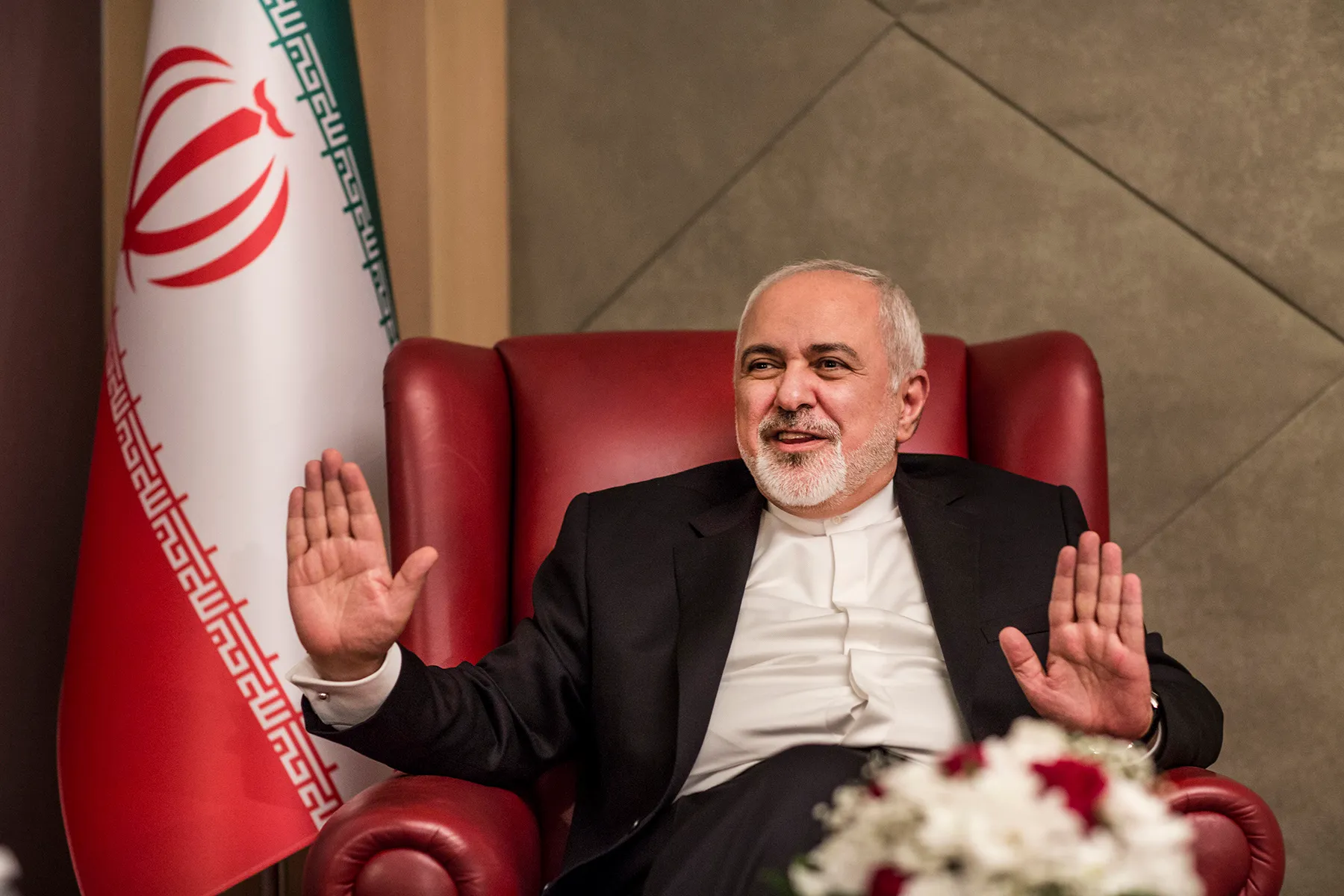
Russian President Vladimir Putin met with Iranian Foreign Minister Abbas Araghchi in Saint Petersburg on April 27, 2026, in a bid to address escalating tensions in the Middle East. During the meeting, Putin expressed his readiness to play a mediating role in efforts to restore stability in the region following a series of attacks carried out by the United States and Israel on Iranian territory.
This meeting comes at a highly sensitive time, as the region is witnessing an increase in armed conflicts and political tensions, heightening the need for effective international intervention. Putin, who seeks to enhance Russia's role as an influential power in global politics, appears to aim at providing diplomatic solutions to the multiple crises in the Middle East.
Details of the Meeting
During the meeting, both parties discussed a range of regional issues, including the impact of U.S. sanctions on Iran and the ongoing tensions between Iran and Israel. Putin emphasized the importance of dialogue and negotiation as a means to resolve conflicts, considering that Russian mediation could contribute to achieving peace and stability in the region.
The topic of economic cooperation between Russia and Iran was also addressed, with Putin stressing the need to strengthen bilateral relations in the fields of energy and trade. This step may reflect Russia's desire to enhance its influence in the region, especially given the challenges Iran faces due to Western sanctions.
Background & Context
For several years, the Middle East has been experiencing increasing tensions due to political and military conflicts. The recent attacks by the United States and Israel on Iran are seen as part of a broader strategy aimed at undermining Iranian influence in the region. These events have raised fears of larger conflicts that could impact regional and international security.
Historically, Russia and Iran have been allies on many regional issues, with Russia seeking to bolster its presence in the Middle East by supporting Iran against Western pressures. This cooperation reflects a shift in global politics, where major powers compete for influence in a resource-rich region.
Impact & Consequences
Putin's offer of mediation could have significant repercussions on both regional and international levels. If Russia succeeds in making progress in this area, it could strengthen its position as a key mediator in Middle Eastern conflicts, potentially altering the power dynamics in the region. Additionally, successful Russian mediation might ease tensions between Iran and the West, opening the door for broader dialogue on regional issues.
However, challenges remain, as there are other powers in the region that may oppose any mediation efforts. Furthermore, the stance of the United States and Israel towards Iran will continue to be a crucial factor in determining the course of future events.
Regional Significance
Russian moves in the Middle East could directly impact Arab countries, especially those experiencing internal conflicts or tensions with Iran. Many Arab nations fear the rise of Iranian influence in the region, which could lead to further divisions and conflicts. Therefore, any mediation efforts may have varying effects on security and stability in Arab countries.
In conclusion, the meeting between Putin and Araghchi represents an important step towards addressing tensions in the Middle East. However, achieving stability will require concerted efforts from all parties involved, including Arab nations.