In a new move reflecting the escalating tensions in global energy markets, Russian President Vladimir Putin announced his country's willingness to provide its expertise in transportation and logistics, emphasizing the importance of ensuring supply security under current conditions. Putin confirmed that recent events in Iran have significantly impacted energy markets, necessitating effective measures to ensure supply stability.
Putin pointed out that Russia has the capability to provide safe logistical routes for the world at a time when international disruptions are on the rise. These statements come at a critical juncture as European pressure on Moscow intensifies, with renewed condemnation of what is known as the 'Russian shadow fleet'.
Event Details
Bloomberg reported that a knowledgeable source confirmed the United States remains committed to easing sanctions imposed on Russia regarding certain oil sales, but described this easing as temporary. Meanwhile, hopes for a diplomatic resolution to the ongoing war between Russia and Ukraine are dwindling, as U.S. President Donald Trump is preoccupied with the American-Israeli attack on Iran.
In this context, EU Foreign Affairs Commissioner Kaia Kallas called for joint actions and increased economic pressure on Russia to end the war in Ukraine. In an interview with German channel ARD, Kallas emphasized the need to address the shadow fleet, which Russia uses to extract and distribute oil, contributing to the financing of the war.
Background & Context
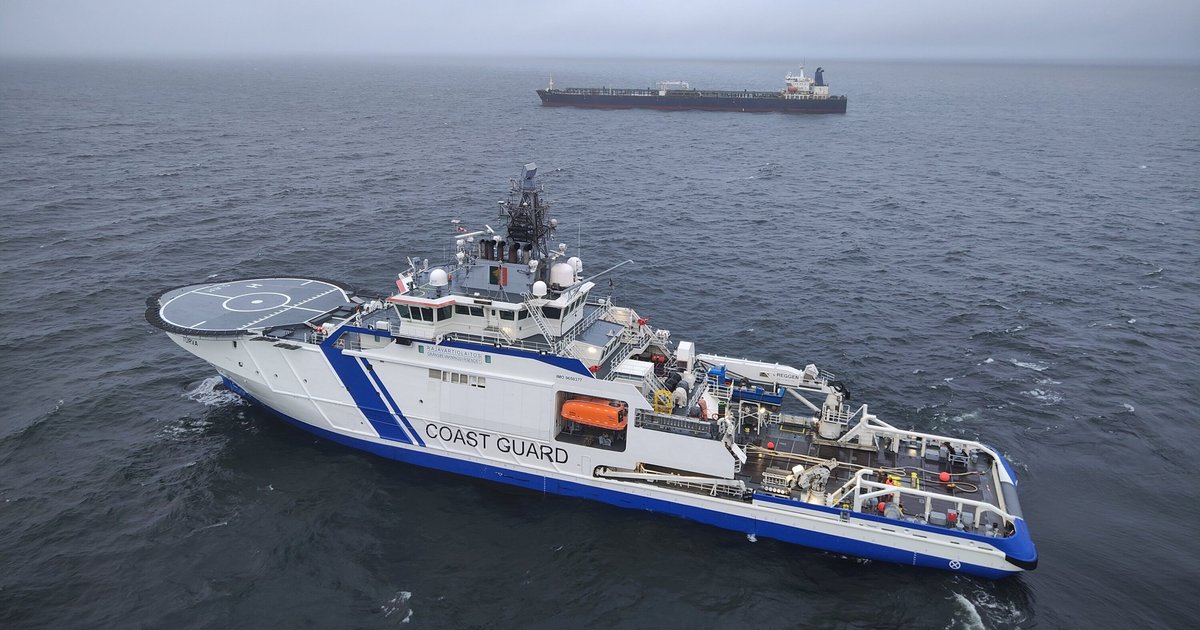
The 'Russian shadow fleet' is known as a group of oil tankers and cargo ships that Moscow uses to evade sanctions imposed on it, particularly in the oil transport sector. European Union countries warn of the potential use of these ships as platforms for launching drones, further complicating the security situation in the region.
Kallas also commented on rumors regarding the diversion of weapons intended for Ukraine towards the Middle East due to the war in Iran, confirming that she inquired with NATO and was informed that these rumors are untrue, and that arms supplies to Ukraine continue as planned.
Impact & Consequences
Recent statements indicate that economic and political pressures on Russia will continue to escalate, which could affect the stability of global markets. Additionally, increased pressure on Moscow may lead to an escalation of the conflict in Ukraine, negatively impacting regional and international security.
Concerns are growing that the continuation of the war in Ukraine could exacerbate humanitarian crises and increase the flow of refugees to European countries. At the same time, deteriorating economic conditions in Russia could affect the stability of the political system there, opening the door to further unrest.
Regional Significance
In light of these developments, Arab countries may find themselves in a sensitive position, as many of these nations rely on importing energy from Russia. Any changes in Russian energy policies could directly impact global oil prices, reflecting on the economies of Arab countries.
Moreover, the increasing tensions between Russia and the West may lead to a reshaping of alliances in the region, opening up new opportunities or challenges for Arab nations. These countries must closely monitor the situation and adapt to any changes that may arise in the geopolitical landscape.
In conclusion, the situations in Ukraine and Russia remain a focal point of global interest, with rising concerns about their implications for security and stability in the region and the world.