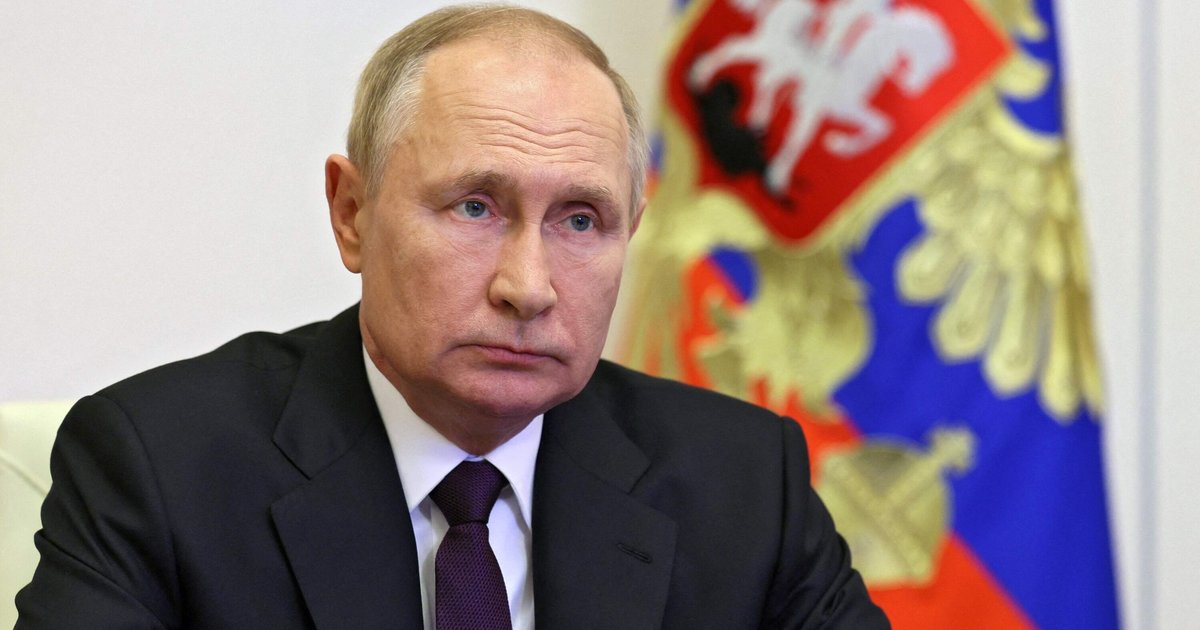
Russian President Vladimir Putin has warned Armenia that it cannot combine its membership in the European Union with participation in a Russian-led economic organization. These remarks were made during a meeting with Armenian Prime Minister Nikol Pashinyan, where Putin emphasized that this direction could create conflicts in economic policy and international relations.
These warnings come at a sensitive time for Armenia, which is seeking to strengthen its ties with the West amid rising tensions with its neighbor Azerbaijan. Putin indicated that Armenia must choose between joining the EU or remaining within the Russian-led economic space, reflecting the pressures Yerevan faces in its foreign policy.
Details of the Meeting
During the meeting held in Moscow, Putin and Pashinyan discussed a range of issues related to bilateral cooperation, but the statements regarding economic affiliations were the most prominent. Putin asserted that joining the EU requires certain commitments that may conflict with Armenia's obligations to the Collective Security Treaty Organization, led by Russia.
Armenia, which has historically been part of the Soviet sphere, is currently seeking to expand its relations with Western countries, which contradicts Russia's interests in the region. Many analysts have noted that these statements reflect Russian concerns about losing its influence in the Caucasus.
Background & Context
Historically, Armenia has been closely linked to Russia, considering Moscow a strategic ally since the collapse of the Soviet Union. However, in recent years, Yerevan has begun to seek new partnerships, particularly with the EU, in an effort to bolster its economy and achieve greater political stability.
In 2014, Armenia signed a partnership agreement with the EU, which displeased Russia. Since then, relations between Armenia and Russia have deteriorated, especially after the war between Armenia and Azerbaijan over the Nagorno-Karabakh region, where Yerevan felt that Moscow did not provide adequate support during that crisis.
Impact & Consequences
Putin's statements indicate that Armenia faces a difficult choice between strengthening its relations with the West or maintaining its traditional alliance with Russia. This situation could exacerbate internal tensions in Armenia, as public opinion diverges on which direction the country should take.
Additionally, these remarks could impact stability in the Caucasus region as they may lead to an escalation of conflicts between Armenia and Azerbaijan, especially if Azerbaijan feels there is an opportunity to exploit the situation to its advantage.
Regional Significance
Although this event may seem distant from the Arab region, tensions in the Caucasus can affect Arab interests, particularly in the fields of energy and trade. Furthermore, the relationship between Russia and Western countries plays a significant role in global politics, which could impact the stability of the Arab region.
In conclusion, Putin's remarks serve as a warning to Armenia regarding the difficult choices it faces in its foreign policy, highlighting the challenges it may encounter in the near future.