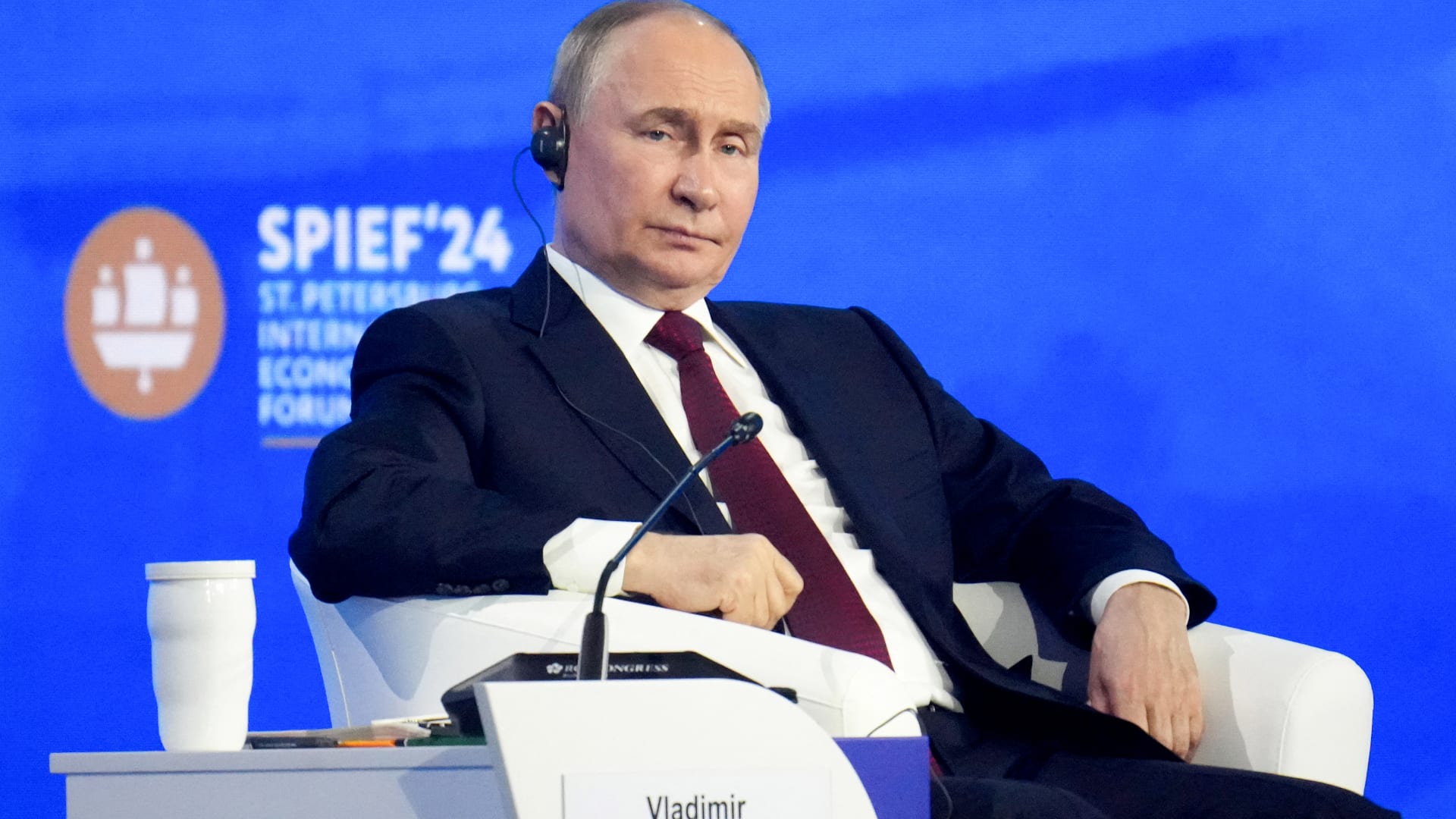
Russian President Vladimir Putin has warned about the consequences of the escalating conflict in the Middle East, indicating that its potential impact could be similar to that of the COVID-19 pandemic. These statements were made during remarks on Thursday, where he emphasized that the situation in the region is extremely complex and difficult to predict.
In his discussion, Putin pointed out that crises in the Middle East often extend their effects to other regions, complicating the geopolitical landscape. He noted that the current tensions could lead to wide-ranging economic and social repercussions that transcend the borders of the involved countries.
Details of the Event
Putin's statements come at a time when the Middle East is witnessing a surge in tensions, particularly with the escalating conflict between Iran and Israel, which could affect the stability of the entire region. Many observers have warned that this conflict could lead to military escalation, threatening both regional and international security.
Putin also mentioned that the effects of this conflict could be akin to those experienced globally during the COVID-19 pandemic, which resulted in radical changes in lifestyles and global economies. Reports have indicated that health and political crises often overlap, further complicating international responses.
Background & Context
Historically, the Middle East has seen numerous conflicts that have led to wide-ranging repercussions, both regionally and internationally. The Iranian-Israeli conflict is one such struggle that has roots extending back decades, with both Tehran and Tel Aviv vying for influence in the region.
In recent years, tensions between Iran and the United States have intensified, escalating the situation in the region. Additionally, interventions by major powers in regional conflicts, such as Russia and the United States, have further complicated the landscape, making it difficult to predict the consequences of any potential escalation.
Impact & Consequences
The potential consequences of the conflict in the Middle East may include an increase in oil prices, which would impact the global economy. Any military escalation could also lead to a flow of refugees, placing additional pressures on neighboring countries.
Moreover, the tensions could exacerbate humanitarian crises in the region, where many countries are already suffering from internal crises. These crises could affect political and social stability, complicating peace efforts in the area.
Regional Significance
For Arab countries, the rising tensions in the Middle East represent a significant challenge. Many Arab nations rely on regional stability to achieve economic and social development. Any escalation in the conflict could lead to negative repercussions for security and stability in these countries.
Arab nations may also find themselves compelled to deal with the influx of refugees or the economic impacts resulting from rising oil prices. Therefore, regional and international cooperation will be essential to address these challenges.
In conclusion, the repercussions of the conflict in the Middle East remain a complex issue that requires close monitoring and ongoing analysis. Putin's statements reflect the growing concern that the conflict may spiral out of control, affecting everyone involved.