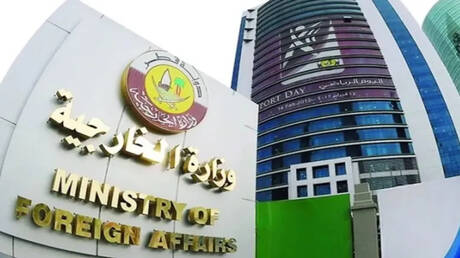
Qatar has dispatched two identical letters to both the UN Secretary-General, Antonio Guterres, and the President of the Security Council for April, Jamal Faris Al-Ruwai'i, the Permanent Representative of the Kingdom of Bahrain to the UN. These letters reflect Doha's increasing concern regarding Iranian aggressions that threaten regional security.
This step comes at a time when the Middle East is experiencing heightened tensions, as Iran continues to implement policies perceived as a threat to regional security. Qatar emphasized in its message the importance of international cooperation to address these challenges.
Details of the Communication
In the letters, Qatar called on the international community to take a firm stance against Iranian aggressions, stressing the necessity of respecting the sovereignty of nations and refraining from interfering in their internal affairs. It also highlighted the importance of dialogue as a means to resolve conflicts.
These messages arrive at a sensitive time, as tensions escalate between Iran and several Arab countries, increasing the need for effective international intervention. Qatar, which plays a pivotal role in regional politics, aims through these letters to bolster its position as a mediator in regional crises.
Background & Context
Historically, relations between Iran and Arab countries have been marked by ongoing tensions, particularly due to Iranian policies considered as interference in the internal affairs of neighboring states. These policies include support for armed groups in Iraq, Syria, and Lebanon, exacerbating instability in the region.
Qatar, which seeks to maintain good relations with all parties, hopes that its messages will stimulate the international community to take tangible steps to halt Iranian aggressions. Doha also aspires to enhance dialogue among the concerned parties to avoid military escalation.
Impact & Consequences
If Iranian aggressions continue unchecked, they could lead to military escalation in the region, negatively impacting security and stability. Arab countries may find themselves compelled to take more decisive actions to confront these challenges.
Moreover, these developments could affect the regional economy, especially given the heavy reliance on stability in areas such as energy and trade. Qatar, being one of the largest producers of natural gas, recognizes the importance of maintaining regional stability to ensure the continued flow of energy.
Regional Significance
The correspondence from Qatar underscores the critical need for international cooperation in addressing regional security threats and reflects Qatar's commitment to supporting stability in the area. The situation calls for a unified response to prevent further escalation and to foster a peaceful resolution to ongoing conflicts.
In conclusion, Qatar's proactive approach in addressing Iranian aggressions through diplomatic channels illustrates its role as a key player in promoting peace and stability in the Middle East.