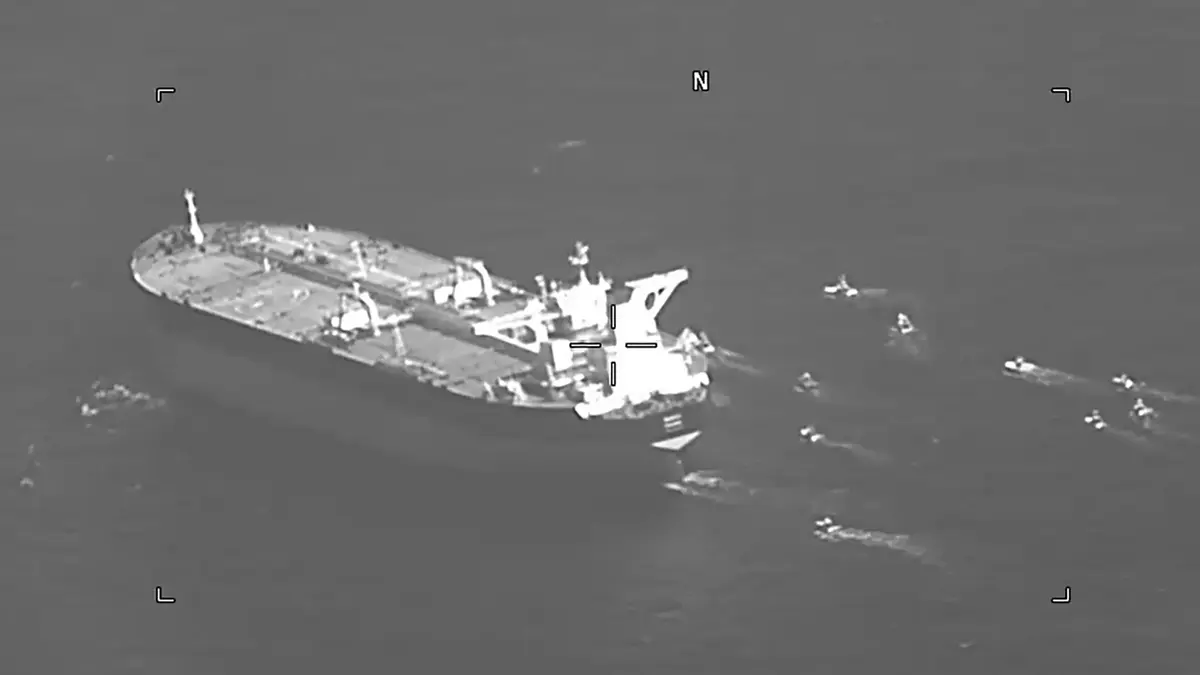
The Qatari Ministry of Defense has announced its success in intercepting two Iranian missiles that were launched towards Qatari economic waters, while a third oil tanker was reported to have been hit. This incident comes at a time of increasing tensions in the region, raising concerns about maritime security in the Arabian Gulf.
This incident is part of a series of events reflecting the escalating tensions between Iran and Gulf countries, where military activities in the region have notably increased. The Qatari Ministry of Defense confirmed that its air and naval forces are working to protect the territorial waters and national interests.
Details of the Incident
According to reports, the Iranian missiles were detected before reaching their targets, prompting Qatari forces to launch counter-missiles that successfully intercepted the Iranian projectiles. At the same time, an oil tanker was struck in the incident, raising questions about potential damages and the impact on maritime navigation.
The tanker that was hit was carrying a shipment of oil, and it has been reported that there were no injuries among its crew. However, the incident highlights the risks faced by commercial vessels in the region and reflects the ongoing tensions between Iran and neighboring countries.
Background & Context
Historically, the Arabian Gulf region has witnessed recurring tensions between Iran and Gulf countries, especially following the United States' withdrawal from the Iranian nuclear deal in 2018. Since then, military activities have escalated, including attacks on oil tankers, leading to heightened tensions in the area.
The Qatari economic waters are a vital part of the Qatari economy, as the country heavily relies on gas and oil exports. Therefore, any threat to these waters could significantly impact Qatar's economy and national security.
Impact & Consequences
This incident serves as a reminder of the importance of maritime security in the region, where increasing tensions could lead to further escalation. Additionally, the incident may affect global oil prices, as any threat to navigation in the Gulf could lead to price increases due to concerns over supply shortages.
Moreover, this incident may lead to increased security cooperation among Gulf countries, as these nations seek to enhance their defensive capabilities to address potential threats. It could also result in international calls for intervention to ensure freedom of navigation in the region.
Regional Significance
This incident represents a turning point in relations between Iran and Gulf countries, as it could lead to further escalation of tensions. It also reflects the security challenges faced by Arab countries in the region, necessitating greater coordination among these nations to confront shared threats.
In conclusion, the situation in the Arabian Gulf remains tense and requires close monitoring. Incidents like this could lead to changes in regional and international policy, affecting the overall stability of the region.