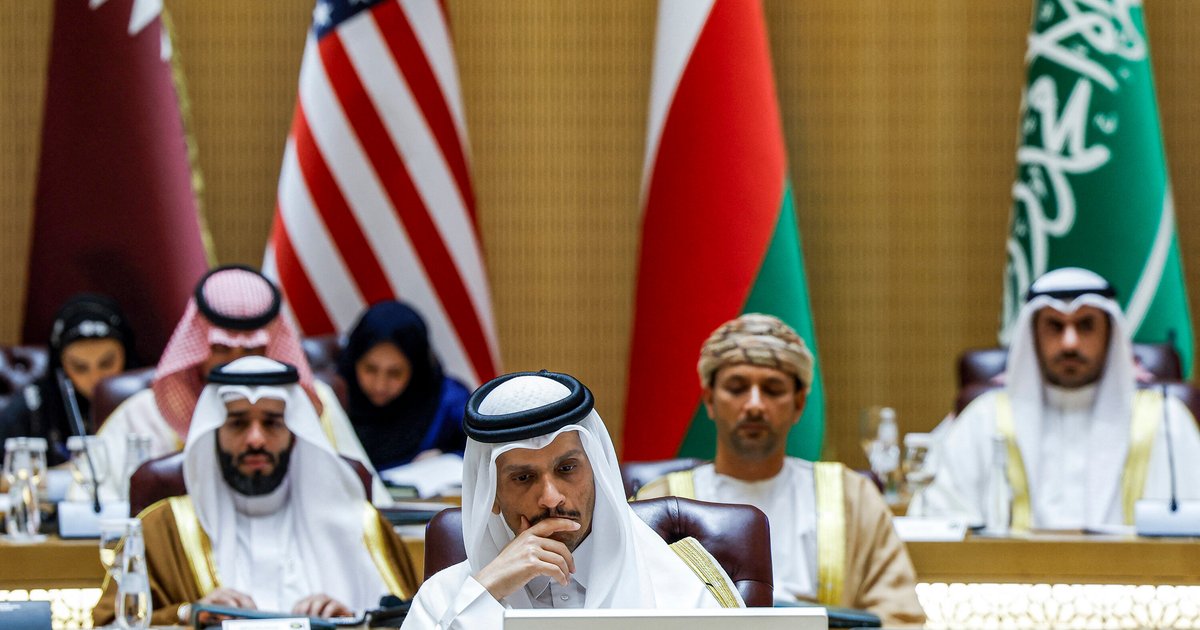
Qatar has rejected the United States' request to serve as the primary mediator in potential negotiations with Iran concerning a ceasefire agreement. This refusal was reported by the Wall Street Journal, citing officials and negotiators involved in the matter.
Reports indicate that efforts made by several countries in the region to push Iran and the United States towards reaching a ceasefire agreement have faced significant challenges. Iran has informed mediators that it is not prepared to meet with American officials in Pakistan in the near future, considering the U.S. demands unacceptable.
Details of the Event
In a related context, Mojtaba Fardousi Pour, the head of the Iranian diplomatic mission in Cairo, stated to RIA Novosti that Iran would only agree to a comprehensive cessation of hostilities, rejecting the option of a temporary ceasefire. This statement reflects Iran's steadfast position in the face of American pressures.
On the other hand, Ismail Baghaei, the spokesperson for the Iranian Foreign Ministry, denied claims made by U.S. President Donald Trump that Tehran had requested a ceasefire. These statements come at a sensitive time, as relations between Iran and the United States have seen a notable escalation recently.
Background & Context
The roots of the current tensions between Iran and the United States date back several years, with the intensity of the conflict escalating after Washington's withdrawal from the Iranian nuclear deal in 2018. Since then, the United States has imposed severe economic sanctions on Iran, exacerbating the economic and social conditions in the country.
At the end of February, the United States and Israel launched attacks on several targets in Iran, including the capital Tehran, resulting in damage and loss of life. Iran responded to these attacks by launching strikes on Israeli territory and U.S. military facilities in the region, further complicating the security situation in the Middle East.
Impact & Consequences
These developments are indicative of rising tensions in the Gulf region, which could exacerbate humanitarian and economic crises. Additionally, military escalation could directly affect navigation in the Strait of Hormuz, a vital corridor for exporting oil and natural gas from Gulf countries to global markets, potentially negatively impacting global energy prices.
Concerns are growing that this escalation could lead to a full-scale military conflict, affecting regional stability and increasing the suffering of civilians in the area. Furthermore, instability could open the door for other powers to intervene in regional affairs, complicating the situation even further.
Regional Significance
Arab countries are directly affected by these tensions, as any escalation in the conflict between Iran and the United States could have negative repercussions on security and stability in the region. Gulf states, in particular, are closely monitoring the situation, as any escalation could impact oil prices and increase sectarian tensions.
Under these circumstances, the need for diplomatic mediation remains urgent, despite Qatar's refusal to play this role. It is crucial for Arab countries to enhance dialogue and regional cooperation to avoid any escalation that could lead to a comprehensive conflict.