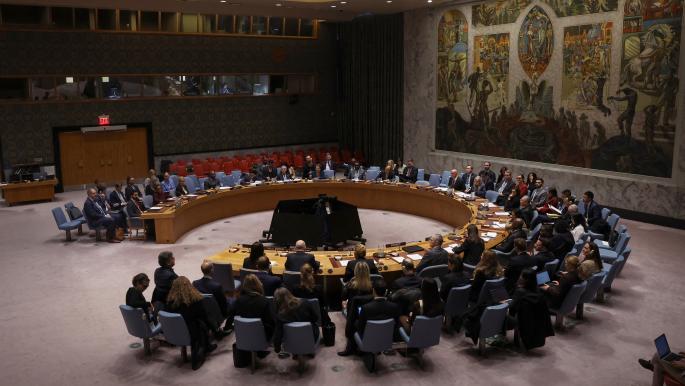
On Wednesday, Qatar announced it had sent two identical letters to UN Secretary-General Antonio Guterres concerning Iranian aggressions on its territory. This move comes amid escalating regional tensions, as Doha seeks to highlight the ongoing violations of its sovereignty.
The letters detail recent incidents along the Qatari border, where Qatari authorities have reported several aggressions by Iranian forces. Qatar emphasized in its correspondence the necessity for the international community to take a firm stance against these violations that threaten security and stability in the region.
Details of the Incidents
Reports indicate that the Iranian aggressions included harassment and direct threats, raising concerns within the Qatari government. Doha has expressed strong discontent with these actions, stressing the importance of respecting national sovereignty and non-interference in internal affairs.
In the letters, Qatar called on the United Nations to take effective measures to protect the rights of small states and to work on enhancing regional security. It also underscored the importance of dialogue as a means to resolve disputes rather than resorting to force.
Background & Context
Qatar-Iran relations are characterized by complexity, having experienced periods of both cooperation and tension. In recent years, fears have escalated regarding Iran's actions in the region, prompting Qatar to strengthen its ties with traditional allies, including the United States and Gulf Cooperation Council countries.
Historically, Qatar has sought to maintain a delicate balance in its relations with Iran, but recent aggressions may put this policy to a real test. This coincides with rising tensions in the Arabian Gulf, where regional powers are competing for influence.
Impact & Consequences
These aggressions could escalate tensions between Qatar and Iran, potentially affecting regional security overall. If the international community does not take a firm stance, tensions may intensify, threatening stability in the Gulf region.
Moreover, these events could impact Qatar's relations with other countries, possibly prompting some nations to reassess their policies towards Iran. At the same time, Qatar may seek to bolster its alliances with countries that support its stance against Iranian aggressions.
Regional Significance
The Iranian aggressions against Qatar are part of a larger picture of tensions in the Arab region. These events reflect the challenges faced by small states in confronting major regional powers. They also highlight the need for effective mechanisms to resolve conflicts and achieve regional security.
Ultimately, Arab states must unite in the face of common challenges and work to enhance security and stability in the region. Addressing external aggressions requires a unified response from all Arab nations to ensure the protection of their sovereignty and interests.