Qatar has urged Iran to cease its repeated aggressions against the Gulf states, reiterating the importance of respecting national sovereignty and avoiding interference in internal affairs. These statements reflect Doha's growing concern regarding Iranian activities that threaten the stability of the region.
Amid ongoing tensions between Iran and Gulf states, Qatar's call underscores its steadfast position in supporting regional security. Qatari officials have indicated that these aggressions negatively impact relations between countries and escalate tensions in the area.
Details of the Incident
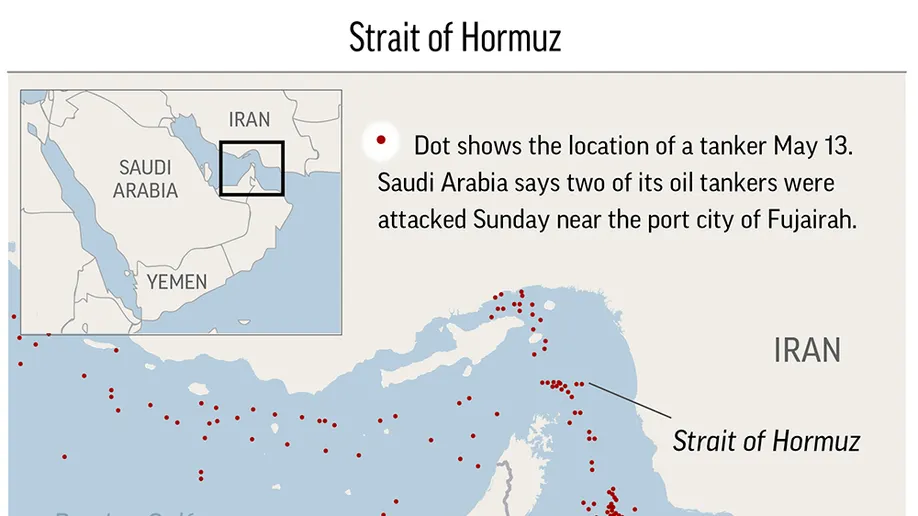
The Iranian aggressions referenced in Qatar's appeal include threats to commercial vessels in Gulf waters, as well as support for armed groups in certain Gulf states. These activities have provoked strong reactions from Gulf countries, which view them as a direct threat to their security and stability.
Additionally, Iranian military movements near the maritime borders of Gulf states have been observed, heightening fears of a potential escalation in the region. Qatar has emphasized the need for urgent steps to halt these activities to ensure maritime safety and protect the economic interests of Gulf nations.
Background & Context
Historically, relations between Iran and Gulf states have been marked by ongoing tensions, with political and ideological positions varying significantly between the two sides. Recent events, including conflicts in Yemen and Syria, have contributed to the intensification of these tensions.
The Iranian nuclear agreement reached in 2015, from which the United States later withdrew, has further heightened Gulf concerns regarding Iran's regional activities. Gulf states have regarded these activities as a threat to national security, prompting them to enhance their security and military cooperation.
Impact & Consequences
Qatar's call may escalate the situation between Iran and Gulf states, as Tehran may respond strongly to these statements. Furthermore, the continuation of Iranian aggressions could contribute to increased military tensions in the region, potentially affecting trade and maritime navigation.
On the other hand, Gulf states may seek to strengthen their regional and international alliances to counter Iranian threats, which could lead to the formation of new coalitions in the area. These dynamics could significantly impact regional stability and exacerbate conflicts.
Regional Significance
This call from Qatar serves as a strong message to other Arab countries, reflecting the importance of unity and solidarity in facing common challenges. Additionally, the escalation in relations between Iran and Gulf states may affect the security and stability of other Arab nations, especially those experiencing internal conflicts.
Ultimately, the current situation in the region requires collective action from Arab states to ensure security and stability, and to avoid escalation that could lead to catastrophic outcomes. Qatar's appeal represents a step towards reinforcing this direction, but it requires support and cooperation from all concerned parties.