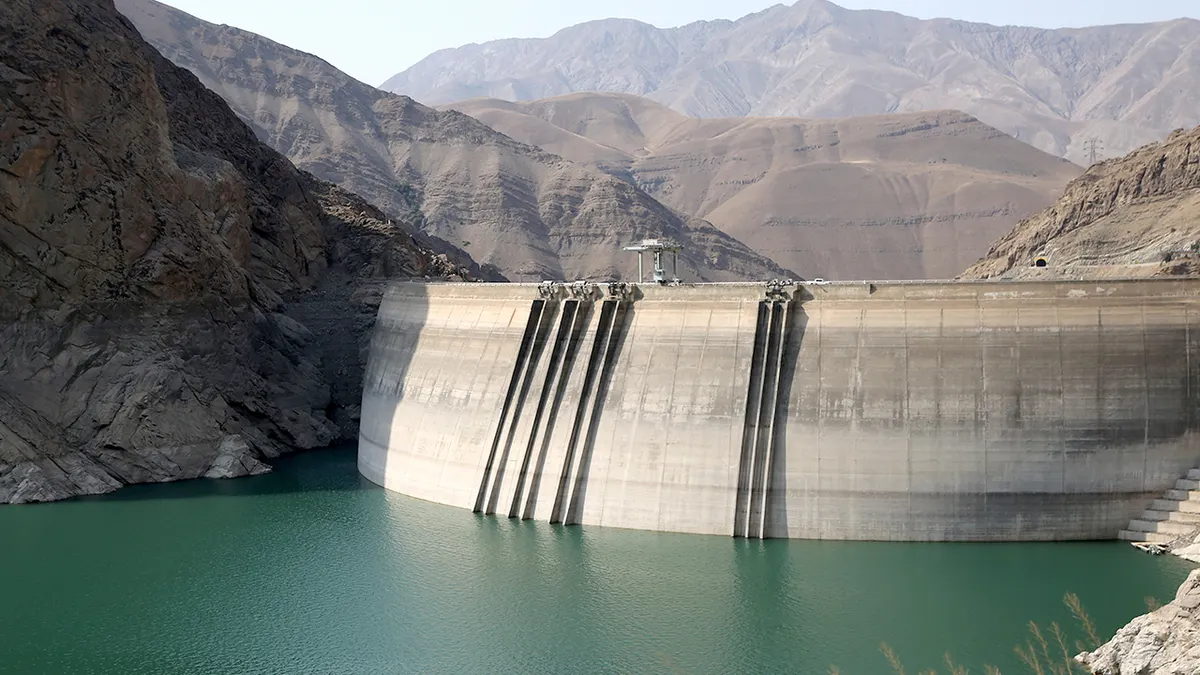
The spokesperson for the Qatari Ministry of Foreign Affairs announced that any threat to Iranian desalination plants constitutes a threat to water security in the Gulf region. He emphasized that these plants play a vital role in securing fresh water for neighboring countries, necessitating their protection from any aggressions.
Desalination plants in Iran are considered strategic projects aimed at addressing the shortage of fresh water in the region. With increasing environmental challenges and climate change, these plants have become an urgent necessity to ensure the sustainability of water resources.
Details of the Warning
This warning comes amid escalating regional tensions, where the area has witnessed several events related to water security. The Qatari spokesperson pointed out that any aggression against these plants would not only affect Iran but would also have serious repercussions on neighboring countries that rely on these resources.
He also confirmed that Qatar is closely monitoring the situation and calls on all parties to exercise restraint and cooperate in protecting water resources. He highlighted the importance of dialogue and understanding among countries to avoid any escalation that could lead to water crises in the region.
Background & Context
Historically, the Arabian Gulf region has suffered from a severe shortage of fresh water, prompting countries to invest in desalination projects. Iran is one of the leading countries in this field, possessing numerous plants that contribute to meeting its water needs.
In recent years, pressures on water resources have increased due to climate changes and population growth, making regional cooperation in this area essential. The region has seen several attempts to enhance cooperation among countries in water management, but political tensions often hinder these efforts.
Impact & Consequences
If the threat to Iranian desalination plants continues, it could exacerbate water crises in the region. Any aggressions could lead to a severe shortage of fresh water, affecting the lives of millions and increasing tensions among countries.
Moreover, any escalation in this context could negatively impact regional stability, as relations between neighboring countries may be affected, potentially leading to new conflicts. Therefore, safeguarding and protecting these plants is vital to ensuring water security in the region.
Regional Significance
Water security represents a critical issue for Arab countries, many of which rely on desalination to meet their needs. Any threat to desalination plants in Iran could directly impact neighboring countries, such as Iraq and Kuwait, which depend on these resources.
Thus, cooperation among Arab countries in water management becomes an urgent necessity, especially in light of increasing environmental challenges. Arab nations must adopt joint strategies to protect their water resources and ensure their sustainability for future generations.
In conclusion, amid rising challenges, water security in the Arabian Gulf remains a central issue that requires cooperation and understanding among nations. The Qatari statements reflect the importance of protecting water resources as part of regional security, necessitating a swift and effective response from all concerned parties.