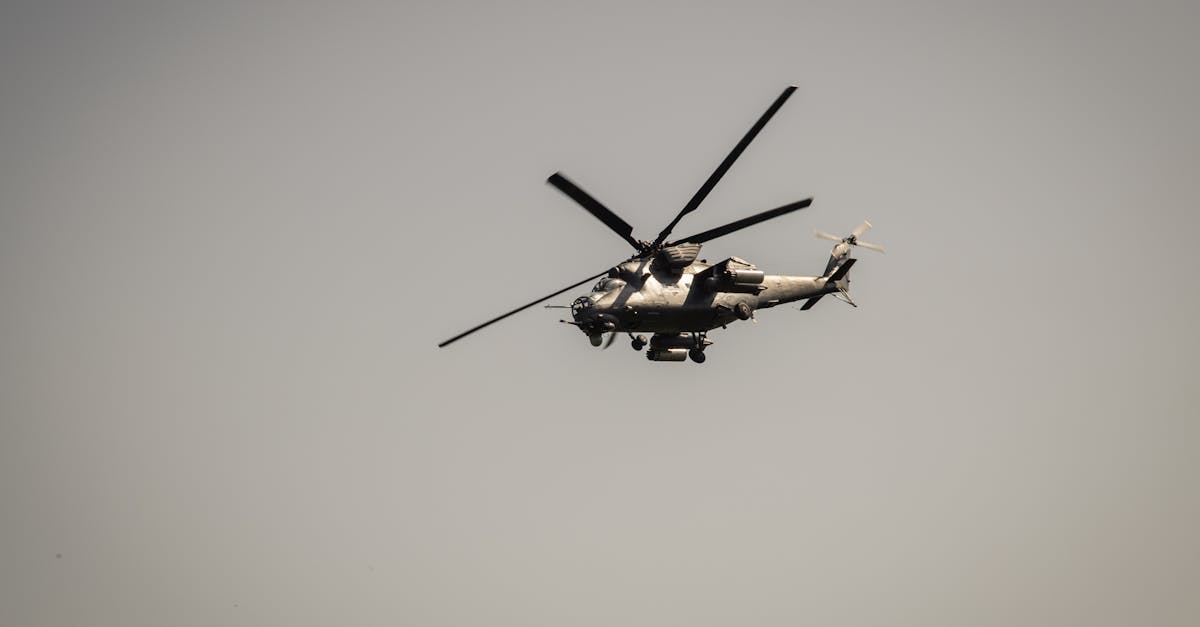
On Sunday, the Qatari Ministry of Defense reported that its forces managed to repel an attack involving drones and cruise missiles launched from Iranian territory. The ministry confirmed in its statement that "the State of Qatar was attacked by several drones and two cruise missiles, and our forces successfully countered them."
The late-night attack did not result in any injuries or damages, reflecting the efficiency of Qatari defenses and their ability to handle aerial threats. This incident comes at a sensitive time when the region is experiencing increasing tensions, raising questions about the security and political implications of this attack.
Details of the Incident
According to the statement issued by the Ministry of Defense, the drones and missiles were detected before they entered Qatari airspace, allowing defense forces to take necessary actions to counter them. This attack is seen as part of a potential escalation in Iranian military activities, especially amid ongoing tensions between Iran and neighboring countries.
It is noteworthy that Qatar has significantly invested in modernizing and enhancing its defense capabilities in recent years, which has helped it counter such threats. Military cooperation with several allied countries has also been strengthened, contributing to improved defense readiness.
Background & Context
Historically, the Arabian Gulf region has witnessed ongoing tensions due to political and military conflicts. Iran, considered a key player in these tensions, has conducted several military operations in the region, raising concerns among neighboring countries. The recent attack on Qatar occurs within this complex dynamic, as Iran seeks to expand its influence in the region.
In recent years, Iranian military activities have increased, including the use of drones and missiles, prompting neighboring countries to bolster their defenses. This attack demonstrates that military threats remain prevalent and that regional security depends on the ability of countries to respond to such challenges.
Impact & Consequences
The recent attack could have significant implications for regional security, potentially escalating tensions between Qatar and Iran. Qatar may take additional measures to enhance its defenses, which could heighten tensions in the region. Furthermore, this attack may affect relations between Qatar and other Gulf countries, especially in light of existing military alliances.
Moreover, this attack could lead to increased security cooperation between Qatar and allied nations, reflecting the importance of alliances in facing common threats. It may also impact political stability in the region, as countries may seek to strengthen their defense capabilities to counter any future threats.
Regional Significance
The attack on Qatar highlights the security challenges facing Arab countries in the Gulf region. With the rise of Iranian military activities, Arab nations must enhance their security cooperation to address these threats. This attack may motivate other Gulf states to take similar steps to bolster their defenses, potentially leading to an arms race in the region.
Ultimately, this attack serves as a reminder of the need to strengthen regional security and cooperation among Arab countries to confront common challenges. Security and stability in the Gulf depend on the ability of nations to respond to military threats and collaborate in defense efforts.