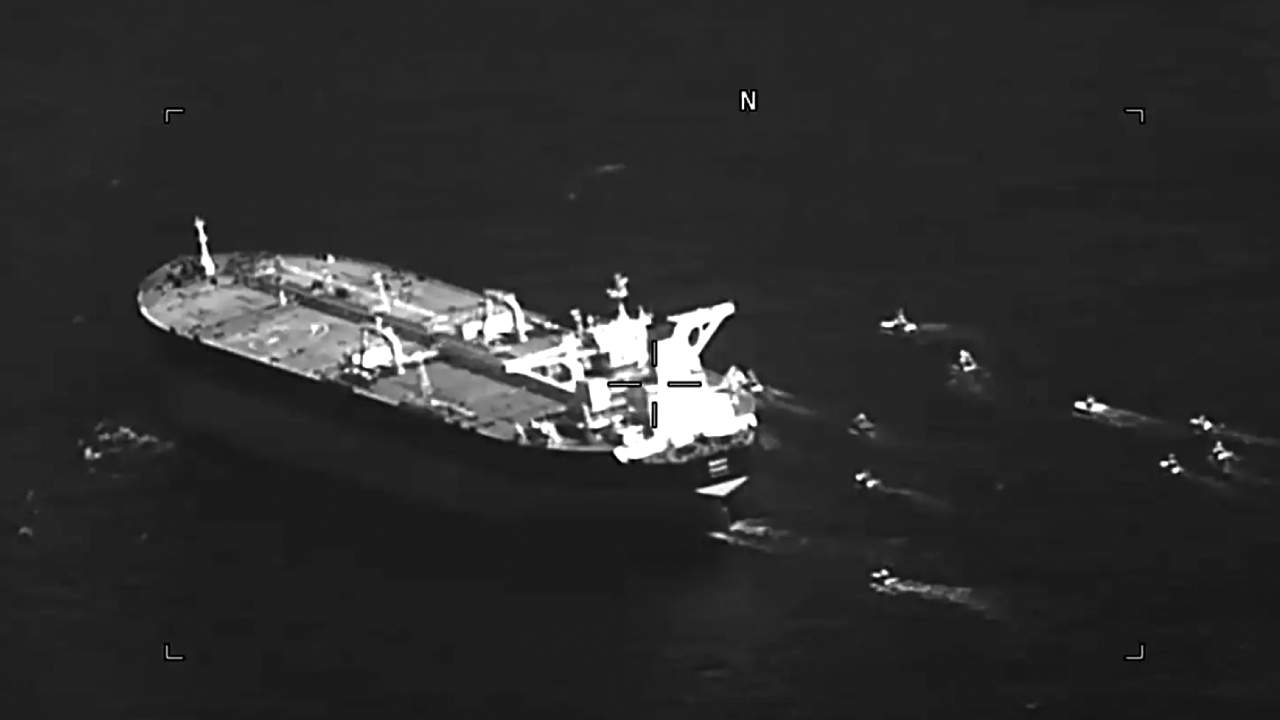
Maritime sources have announced that two Qatari gas tankers have withdrawn from crossing the Strait of Hormuz, one of the world's most vital maritime passages. This decision comes amid rising tensions in the region, raising questions about maritime safety in this strategic area.
The Strait of Hormuz is a crucial transit point for oil and natural gas, with approximately 20% of global oil consumption passing through it. This strait holds significant importance for Gulf countries, especially Qatar, which heavily relies on natural gas exports.
Details of the Event
According to reports, the tankers were en route to cross the strait before deciding to turn back. The exact reasons behind this decision have not been disclosed, but it is believed to be linked to the increasing tensions in the region, which include military movements by certain countries.
It is noteworthy that the Strait of Hormuz has witnessed numerous maritime incidents in recent years, including the detention of vessels and attacks, heightening concerns about navigation safety in the area.
Background & Context
Historically, the Strait of Hormuz has been the scene of numerous political and military conflicts. In recent years, tensions between Iran and the United States have escalated, affecting navigation in the strait. The region has also seen an increase in military activities, including naval exercises conducted by various countries.
In this context, Qatar is among the countries striving to maintain the stability of its gas exports, as it is one of the largest exporters of liquefied natural gas in the world. Therefore, any threat to navigation in the Strait of Hormuz could significantly impact its economy.
Impact & Consequences
The withdrawal of the tankers could affect natural gas prices in global markets, as any disruption in supplies may lead to price increases. Additionally, this decision may reflect Qatar's concerns over the security situation in the region, potentially prompting it to take further measures to protect its exports.
Moreover, this withdrawal may raise concerns among other countries that rely on the Strait of Hormuz for transporting their shipments, which could lead to increased tensions among the involved nations.
Regional Significance
This event serves as an indicator of the challenges faced by Gulf countries amid the current regional conditions. Any escalation in tensions could affect the overall stability of the region, negatively impacting the Arab economy.
Ultimately, the question remains about how these developments will affect relations between countries in the region and whether they will lead to changes in energy policies or regional security.