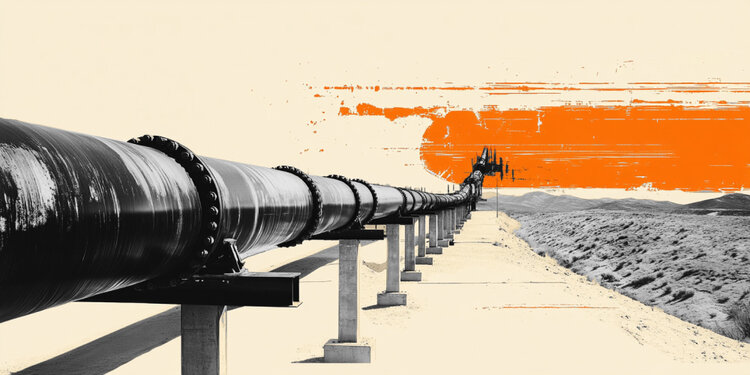
Two LNG carriers from Qatar are heading towards the Strait of Hormuz, marking the first export to buyers outside the region since the outbreak of the war. This step comes at a sensitive time when global energy markets are experiencing substantial changes due to ongoing conflicts in the region.
The two vessels sailing from Qatar represent a milestone in the country's efforts to expand its LNG exports. This direction could enhance Qatar's position as one of the largest gas exporters in the world, especially given the increasing energy demand in global markets.
Details of the Event
This is the first such move since the onset of the conflict in the region, where shipping in the Strait of Hormuz has been fraught with significant risks due to geopolitical tensions. Reports indicate that the carriers are en route to foreign destinations, reflecting a restoration of confidence in maritime safety in this vital area.
This development comes at a time when many countries are suffering from energy supply shortages, increasing the importance of LNG as a key alternative. Several nations have expressed interest in purchasing Qatari gas, enhancing Qatar's prospects for achieving good economic returns.
Background & Context
Historically, the Strait of Hormuz is one of the most important maritime corridors in the world, through which approximately 20% of the world's total oil passes. The region has witnessed increasing tensions in recent years, affecting shipping and trade flows. As the conflict escalated, there were concerns about its impact on global energy supplies.
Qatar is a leading producer of LNG and has invested heavily in developing its infrastructure for gas exports. This investment reflects its commitment to meeting the growing global demand for clean energy.
Impact & Consequences
This step could alter the dynamics of the LNG market, potentially contributing to price stabilization and providing reliable supplies to importing countries. Additionally, boosting Qatari gas exports could enhance Qatar's standing on the international stage.
On the other hand, this move may increase tensions with neighboring countries that might view it as a threat to their interests. Therefore, Qatar needs to manage these relationships carefully to ensure the continuity of its exports.
Regional Significance
These developments are significant for other Arab countries that rely on energy exports. An increase in Qatari gas exports could strengthen cooperation among Arab nations in the energy sector, contributing to economic stability.
This step may also open new avenues for collaboration among Arab countries in other areas, such as investment and trade, thereby enhancing regional integration.
In conclusion, exporting LNG from Qatar through the Strait of Hormuz represents a strategic step that reflects the country's ability to adapt to geopolitical challenges. This move could contribute to enhancing Qatar's position in the global energy market and providing reliable supplies to importing nations.