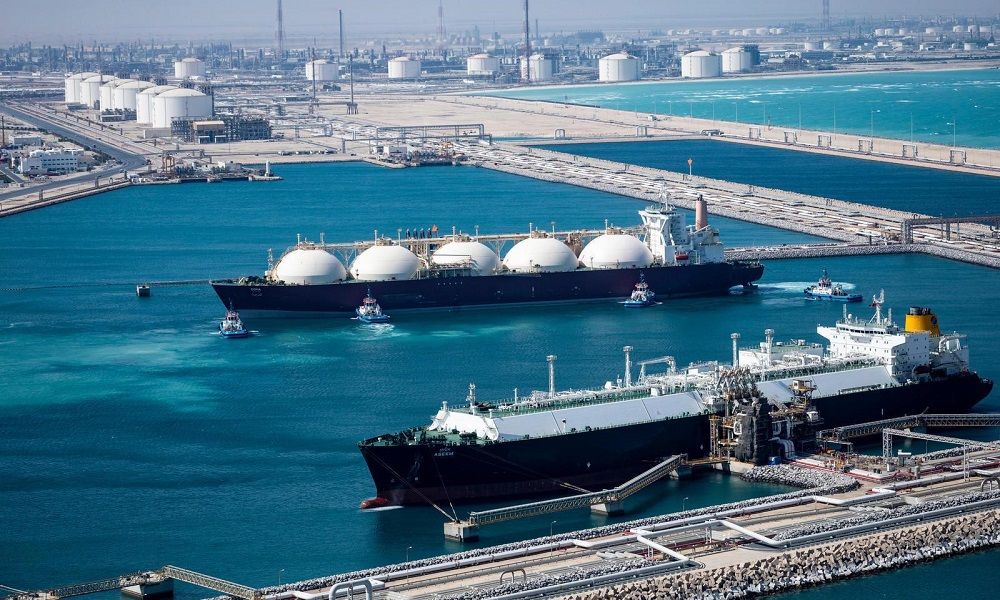
The Qatari liquefied natural gas tanker 'Al-Khoriyat' has successfully crossed the Strait of Hormuz, making it the first Qatari vessel to export from this region since the outbreak of the Iranian war. This step represents a significant milestone in Qatar's efforts to resume its liquefied natural gas exports, which have been heavily impacted by the tense security situation in the area.
Tracking data compiled by Bloomberg indicates that the 'Al-Khoriyat', which loaded its shipment at the Ras Laffan export facility earlier this month, has left the strait and reached the Gulf of Oman. According to the data, its next destination is Pakistan, reflecting the diverse gas markets that Qatar is aiming to access.
Details of the Event
The data shows that the vessel took the northern route approved by Tehran, which runs alongside the Iranian coast while crossing the strait. The near-total closure of the waterway has choked global liquefied natural gas supplies, driving prices up and causing shortages across Asia. While the journey of 'Al-Khoriyat' may signal an initial indication of the potential resumption of more liquefied natural gas flows, levels remain far from what they were before the war, when the Arabian Gulf saw about three shipments daily.
Earlier this week, Bloomberg reported that at least two tankers loaded from the ADNOC export facility have crossed the strait since the conflict began, suggesting that there are increasing attempts to resume shipping through this vital corridor.
Background & Context
Historically, the Strait of Hormuz is one of the most important waterways in the world, through which about 20% of global oil supplies pass. Since the outbreak of the Iranian war last February, Qatar has faced significant difficulties in exporting its liquefied natural gas shipments, as the country produced nearly one-fifth of the world's liquefied natural gas supplies last year. Despite Qatar's repeated attempts to send shipments through Hormuz, tankers have ultimately turned back due to security concerns.
According to the Equasis ship database, the Qatari company Nakilat owns the 'Al-Khoriyat', and neither Nakilat nor QatarEnergy responded to Bloomberg's requests for comments, highlighting the challenges faced by companies under the current circumstances.
Impact & Consequences
The successful crossing of the Strait of Hormuz by 'Al-Khoriyat' represents an important step towards resuming liquefied natural gas flows from Qatar, which could contribute to stabilizing global prices. However, security threats remain, as both Iran and the United States impose a de facto blockade, making it difficult to predict the future of shipping movements in the region.
The resumption of liquefied natural gas exports from Qatar could alleviate pressures on global markets suffering from supply shortages. However, it remains to be seen whether this step will be repeated regularly or if it will merely be an exception under the current conditions.
Regional Significance
This step is significant not only for Qatar but also for the entire Arab region, as the resumption of liquefied natural gas exports could enhance the stability of regional markets. Additionally, it could contribute to improving trade relations between Arab countries and gas-importing nations like Pakistan.
In conclusion, the crossing of 'Al-Khoriyat' through the Strait of Hormuz symbolizes hope for the resumption of maritime trade in the region, but security challenges remain, necessitating close monitoring by stakeholders in the energy sector.