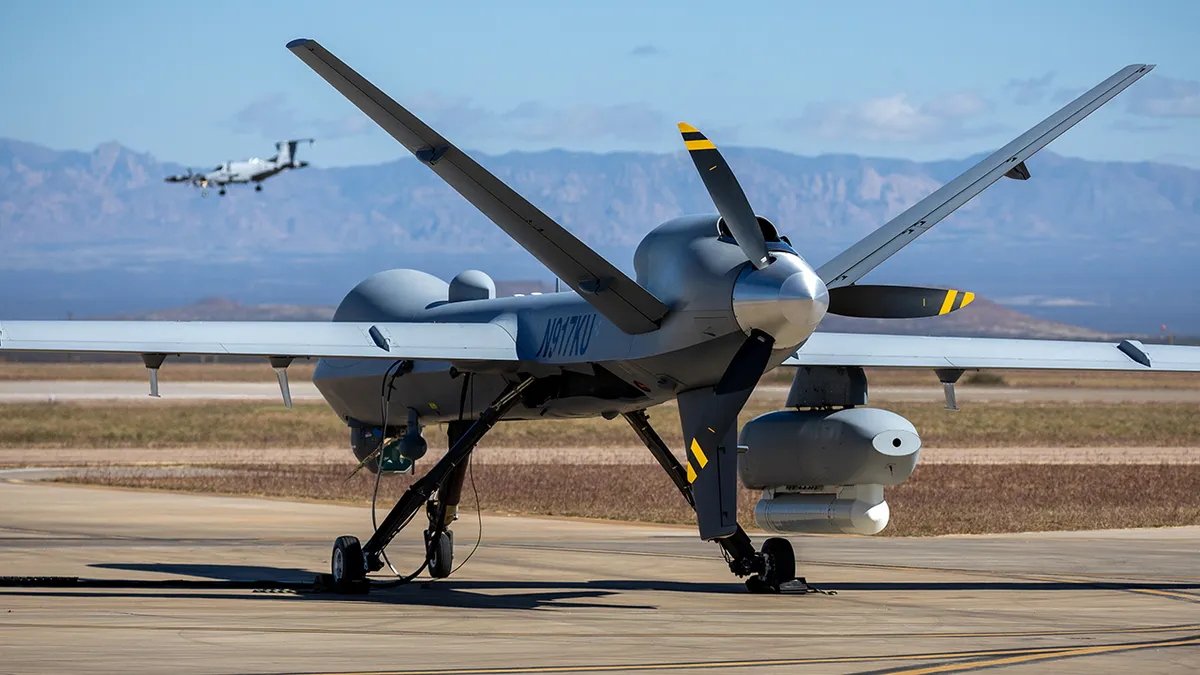
On Sunday, the Qatari Ministry of Defense announced the successful repulsion of a drone attack coming from Iran. The ministry confirmed in an official statement that all drones targeting the country were successfully shot down, reflecting the readiness of the Qatari armed forces and their capability to protect national airspace.
This incident comes at a sensitive time when the region is experiencing increasing tensions, with a rise in drone attacks by Iran-backed armed groups, raising concerns about regional security.
Details of the Incident
According to the statement issued by the Qatari Ministry of Defense, the drones were detected early in the morning, prompting the armed forces to take necessary measures to counter them. Air defense systems were activated, leading to the successful downing of all drones without any damages or injuries. The ministry noted that this success reflects the high level of training and qualification of the Qatari forces.
It is noteworthy that this attack follows shortly after Qatar sent a message to the United Nations Secretary-General expressing its concern over the escalation of security threats in the region. Qatar emphasized the importance of international cooperation to address these threats.
Background & Context
Historically, the Arabian Gulf region has seen a rise in drone attacks, particularly from armed groups linked to Iran. These groups have utilized drones as an effective means to carry out attacks on military and civilian targets in the region. This incident is part of a broader pattern of tensions between Iran and Gulf states, complicating the security landscape in the area.
In recent years, many countries have enhanced their defensive capabilities to counter new threats, including the development of advanced air defense systems. Qatar has significantly invested in modernizing its armed forces, contributing to its enhanced ability to counter any potential threats.
Impact & Consequences
This incident is an indicator of rising tensions in the region and may provoke reactions from neighboring countries. These events are likely to increase pressure on Gulf governments to bolster their defensive capabilities, potentially leading to an arms race in the region.
Moreover, the successful repulsion of the attack reflects Qatar's ability to protect its sovereignty and security, which may strengthen its position on the international stage and increase support from its allies. At the same time, this incident could escalate tensions between Qatar and Iran, complicating mediation efforts in the region.
Regional Significance
This incident underscores the importance of security cooperation among Arab countries to address common threats. Amid rising tensions, there may be an urgent need for greater coordination among Arab nations to enhance regional security. Additionally, these events could affect relations between Arab countries and Iran, necessitating new diplomatic strategies to tackle security challenges.
In conclusion, this incident highlights the importance of strengthening the defensive capabilities of Arab countries in the face of increasing threats and emphasizes the need for international and regional cooperation to safeguard security and stability in the region.