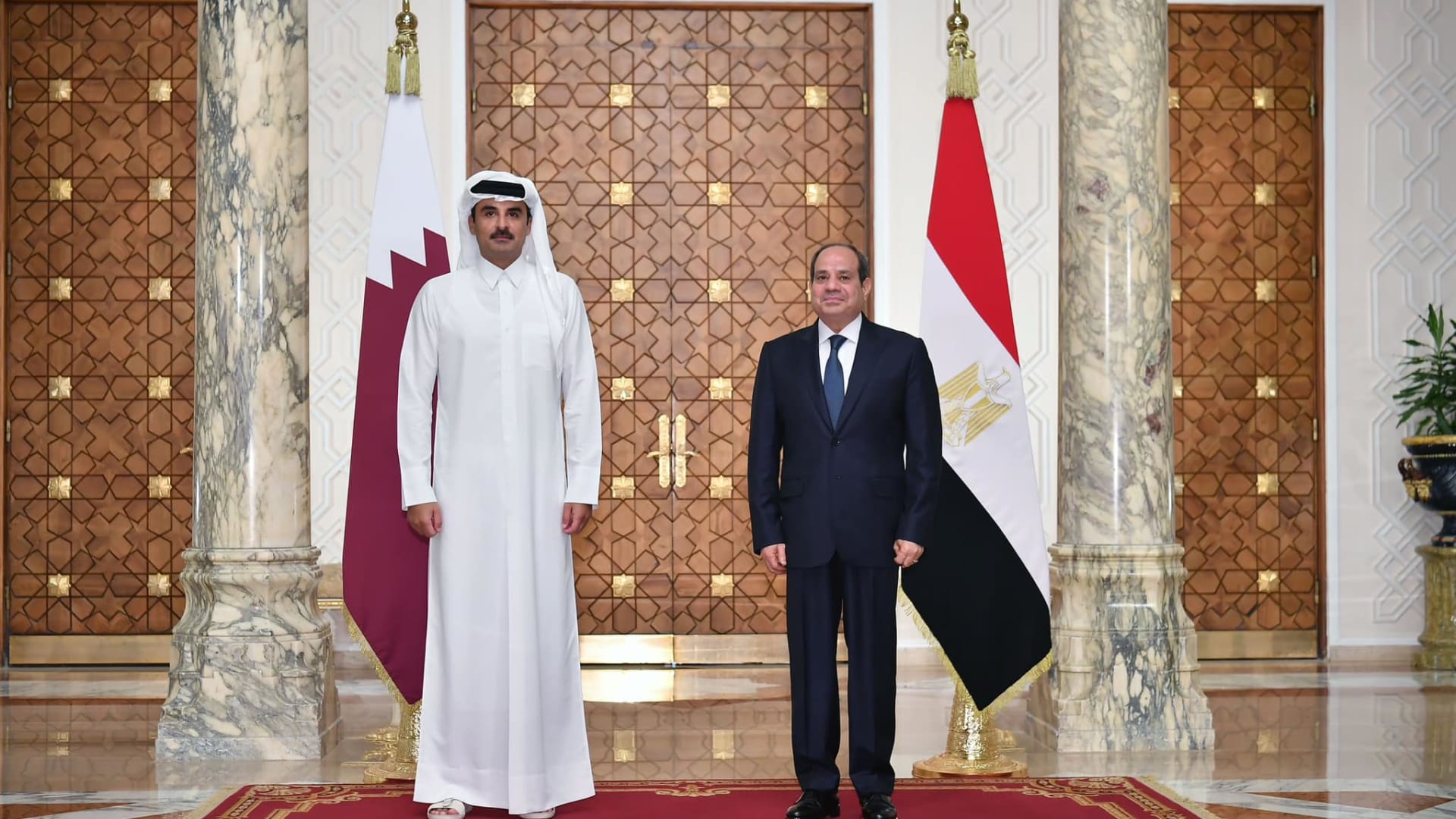
On Wednesday, Sheikh Tamim bin Hamad Al Thani, the Emir of Qatar, received phone calls from Iraqi Prime Minister Mohammed Shia' Al-Sudani, Indonesian President Prabowo Subianto, and Pakistani Prime Minister Shehbaz Sharif. The discussions addressed regional developments, reaffirming the necessity of de-escalation and the cessation of military operations in the area.
The Amiri Diwan stated that the Emir reiterated his condemnation of any assaults on the sovereignty of regional countries, stressing the need for an immediate halt to such actions and the prevention of any country's territory being used to threaten its neighbors. He also emphasized the importance of prioritizing diplomatic solutions and dialogue to enhance regional security and stability.
Details of the Communications
During the calls, the Indonesian president expressed his country's readiness to contribute to efforts aimed at reducing tensions, extending his condolences to the Emir for the victims of the crash of a Qatari military helicopter in territorial waters. Meanwhile, the Pakistani Prime Minister affirmed his country's solidarity with Qatar, condemning the Iranian aggression against Qatar and several other countries in the region.
It is noteworthy that Iran has launched several attacks on Qatar, including a missile strike on the Ras Laffan industrial area, resulting in a fire that was controlled by civil defense forces. Arab nations condemned these attacks during an emergency session of the United Nations Human Rights Council in Geneva, describing them as a blatant violation of international law and the United Nations Charter.
Background & Context
The Iranian attacks on Gulf countries come amid escalating regional tensions, with multiple conflicts ongoing in the area. Since February 28, Israel and the United States have been waging a war against Iran, resulting in the deaths of hundreds of individuals, including security leaders. Tehran has responded by launching missiles and drones towards Israel, targeting what it describes as "American sites and interests" in Arab countries.
This tense situation reflects the complexities of relationships among countries in the region, as Qatar seeks to strengthen its position supporting peace and stability through dialogue and diplomacy. Qatar's representative to the Human Rights Council, Hind Al-Muftah, emphasized the right of regional countries to defend their territories and sovereignty against aggressions.
Impact & Consequences
The communications between the Emir of Qatar and the leaders of Iraq, Indonesia, and Pakistan represent an important step towards enhancing regional cooperation in addressing security challenges. The emphasis on diplomatic solutions reflects the countries' desire to avoid military escalation, which could have severe consequences for regional security.
These communications also illustrate Qatar's role as a mediator in regional issues, as it seeks to build strong relationships with neighboring countries and enhance cooperation in various fields. These efforts are expected to improve security conditions in the region if peaceful solutions are adhered to.
Regional Significance
These communications serve as evidence of the importance of Arab cooperation in facing common challenges. Strengthening dialogue among Arab countries can contribute to achieving stability, especially amid ongoing crises in the region. Additionally, support from major countries like Indonesia and Pakistan reflects international interest in enhancing regional security.
In conclusion, there remains hope that these efforts will contribute to reducing tensions and achieving peace in the region, benefiting all involved countries.