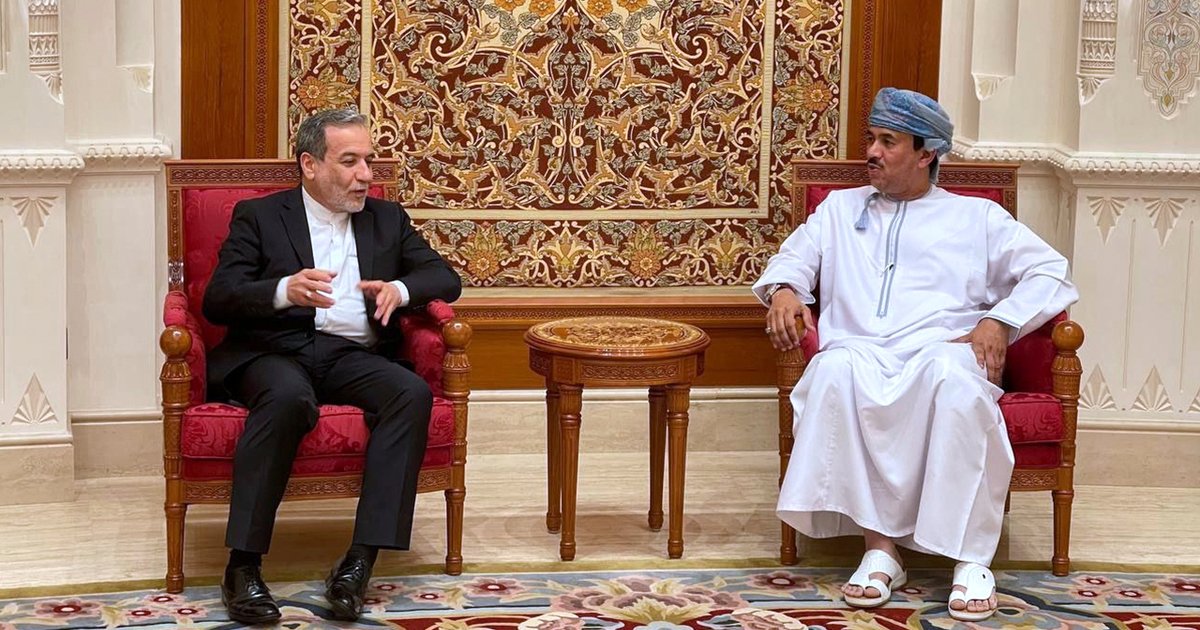
Quad talks have commenced in the Pakistani capital of Islamabad, where representatives from the United States and Iran, along with other nations, aim to enhance negotiation efforts between the two sides. These discussions come at a sensitive time marked by increasing tensions between Washington and Tehran, raising questions about the future of their relations.
The participating parties in these talks seek to find common ground that contributes to easing tensions, especially in light of the multiple crises facing the region. Diplomatic sources have confirmed that the main objective of these meetings is to resume dialogue between the United States and Iran, following a period of stagnation in their relations.
Details of the Event
The quad talks include representatives from the United States and Iran, in addition to other countries that may play a mediating role, such as Pakistan. The discussions are expected to address several issues, including the Iranian nuclear program, Tehran's support for armed groups in the region, and ways to enhance regional security.
These talks follow a series of mutual statements between the two sides, where the United States emphasized the necessity for Iran to adhere to the nuclear agreement, while Tehran rejects any external pressures. Pakistan has expressed its readiness to provide the necessary support to facilitate dialogue between the two parties.
Background & Context
The roots of the tensions between the United States and Iran date back decades, with relations escalating since the Iranian Revolution in 1979. Since then, the United States has imposed strict economic sanctions on Iran, adversely affecting the Iranian economy and exacerbating humanitarian crises in the country.
In 2015, a nuclear agreement was reached between Iran and major powers, which halted part of Iran's nuclear activities in exchange for a relief of sanctions. However, the United States' withdrawal from the agreement in 2018 reignited tensions, prompting Iran to resume some of its nuclear activities.
Impact & Consequences
If the current talks succeed in making progress, they could contribute to easing tensions in the region, potentially leading to greater stability in Middle Eastern countries. Additionally, the success of these talks could pave the way for improved relations between Iran and Western nations, positively reflecting on the Iranian economy.
On the other hand, if the talks fail, tensions may escalate further, possibly leading to military escalation or additional economic sanctions on Iran. This would negatively impact regional security and increase the suffering of the Iranian people.
Regional Significance
The relations between the United States and Iran significantly impact Arab countries, as Iran plays a key role in supporting certain armed groups in the region, heightening conflicts. Therefore, any progress in the talks could contribute to greater stability in countries like Iraq, Syria, and Lebanon.
At the same time, Arab nations are closely monitoring the developments of these talks, hoping they will lead to a reduction of Iranian influence in the region, thereby enhancing security and stability.
In conclusion, the quad talks in Islamabad represent an important opportunity to rebuild trust between the United States and Iran, alleviating tensions that affect the entire region.