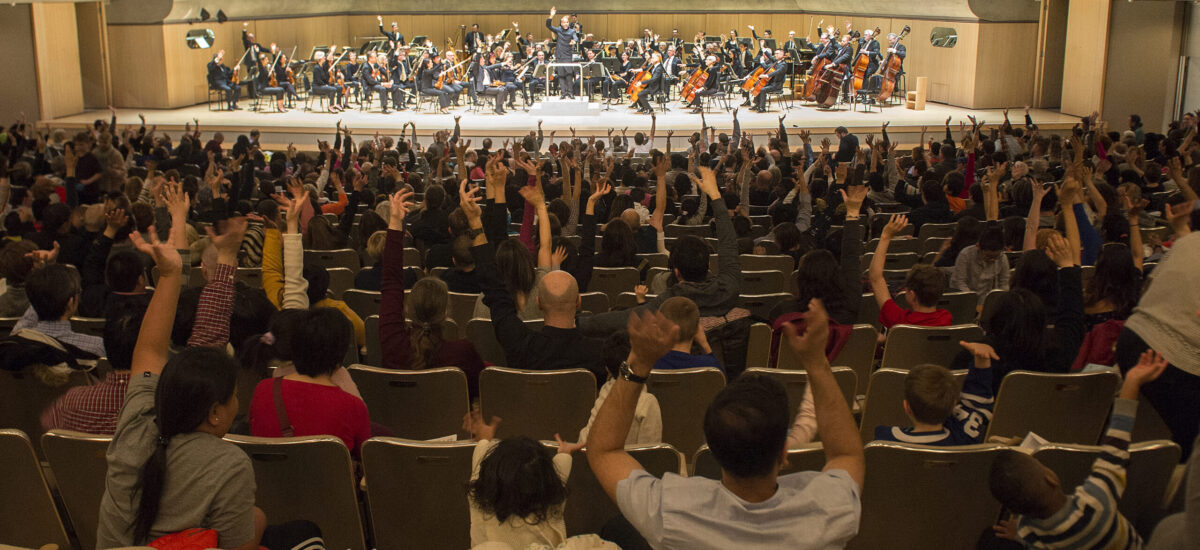
Questions are increasingly being raised about the future of contemporary theater in light of the cultural and social changes that societies are experiencing. The most pressing question is: "Who goes to the theater?" This question seems simple but carries existential dimensions. These inquiries are not merely statistical questions or nostalgia for a cultural past; they serve as a precise measuring tool that reflects the distance between the audience and theatrical art.
Amid the rapid changes in lifestyles and cultural interests, it appears that theater is facing significant challenges in attracting audiences. With the emergence of modern entertainment mediums such as cinema, television, and the internet, it has become difficult for theater to maintain its traditional appeal. Therefore, questioning the audience of theater today reflects a complex reality that requires in-depth study.
Event Details
Studies indicate that attendance at theatrical performances has seen a noticeable decline in recent years. This decline not only reflects changes in audience preferences but also changes in how culture and art are consumed. At a time when theaters were bustling with crowds, it has now become common to see empty seats at many performances.
Several reasons contribute to this decline, including rising ticket prices, changing lifestyles, and increased daily distractions. Additionally, some theater practitioners believe that performances no longer meet the diverse needs of the audience, prompting them to seek more appealing alternatives.
Background & Context
Historically, theater has represented one of the most important forms of cultural and artistic expression. It has played a pivotal role in shaping social and political consciousness. However, the cultural and social changes that the world has witnessed in recent decades, including globalization and technology, have significantly impacted the role of theater. The theatrical art now requires reevaluation and development to keep pace with these changes.
It is noteworthy that many theaters have begun to adopt new methods to attract audiences, such as utilizing modern technology in performances and presenting content that addresses contemporary issues relevant to society. These steps may help restore some of the theater's appeal, but they also require effective responses from artists and creators.
Impact & Consequences
The decline in theater audiences may have serious repercussions on the cultural landscape in general. Theater is not just an art form; it is also a means of expressing social and political issues. If this decline continues, society may lose one of its most important platforms that reflect its voice and aspirations.
Moreover, the decline of theater may affect artists and creators who rely on this art as a source of livelihood. This could lead to a reduction in available opportunities for them, pushing them to seek work in other fields, and consequently, many talents may be lost.
Regional Significance
In the Arab region, theater faces additional challenges related to social and political constraints. Many countries suffer from a lack of government support for the arts, making it difficult for theaters to survive. Nevertheless, there are efforts by some artists and cultural groups to revive theater by presenting innovative performances that address local issues.
These efforts are very important, as they can contribute to enhancing cultural and social awareness in Arab communities. Theater can also serve as a platform for expressing sensitive and important issues, thus reinforcing its role as a means of social change.
In conclusion, theater remains a vital art form that requires all of us to support and develop it. Rethinking how theater presents itself to its audience and how it meets their needs is essential to ensure the continuity of this ancient art.