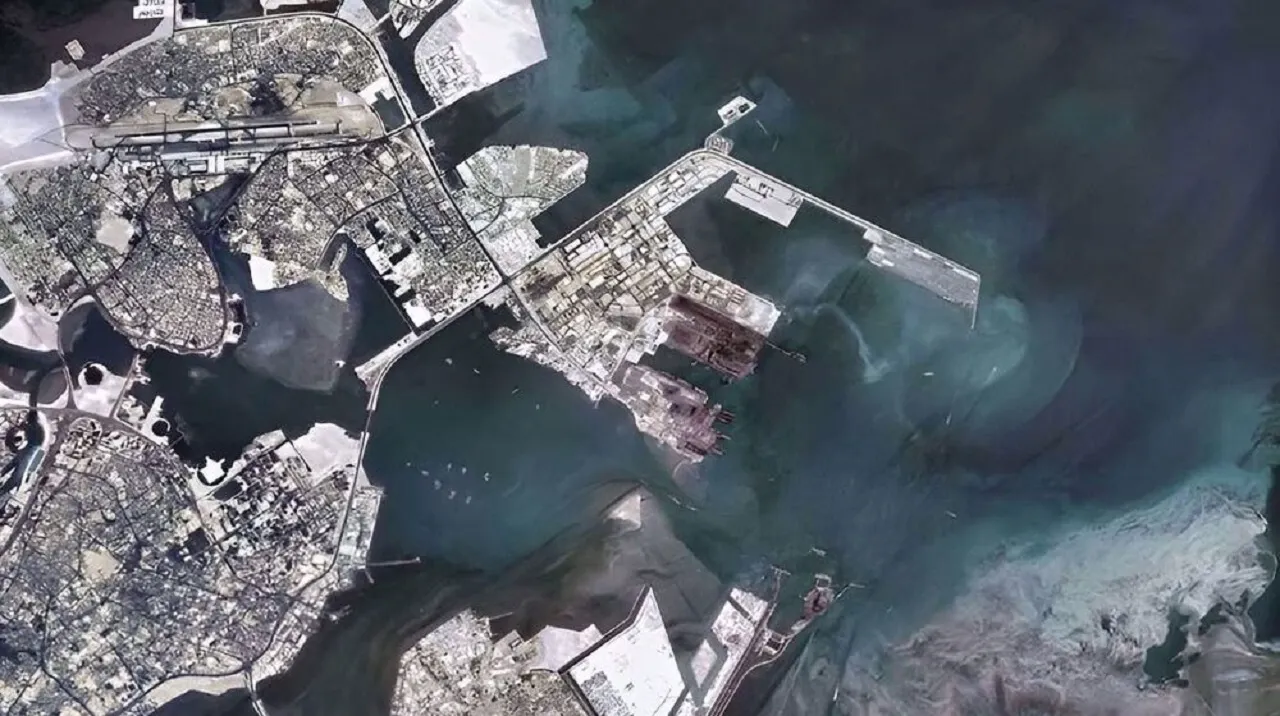
Following a temporary ceasefire agreement between the United States and Iran, numerous questions emerge about the future of the US Fifth Fleet based in Bahrain. This agreement, reached on Tuesday night, may have substantial implications for American military presence in the Gulf region.
Concerns are growing that this development could lead to a reduction in the US military role in the area, especially given the ineffectiveness of some military bases in protecting Gulf states. Many observers are questioning the Fifth Fleet's ability to continue its mission amid rapidly changing political and security dynamics.
Details of the Ceasefire Agreement
The ceasefire agreement between the United States and Iran was reached after rounds of military tensions, which saw an escalation in military activities from both sides. This agreement comes at a sensitive time, as the United States seeks to reassess its strategies in the Middle East.
The US Fifth Fleet, headquartered in Bahrain, is considered a key element of American military policy in the Gulf. However, its effectiveness in countering Iranian threats has been called into question, particularly after its failure to secure the Strait of Hormuz for maritime traffic.
Background & Context
Historically, the United States has relied on its military presence in the Gulf as a means to ensure regional stability and protect its interests. However, in recent years, relations between the US and Iran have experienced sharp fluctuations, impacting American military strategies.
There is increasing pressure on the United States to change its approach towards Iran, especially after Tehran has demonstrated its ability to enhance its influence in the region. This situation may compel Washington to rethink its military presence, including the Fifth Fleet.
Impact & Consequences
If the role of the US Fifth Fleet is diminished, it could lead to radical changes in the military balance in the Gulf. Iran may exploit this vacuum to strengthen its influence, increasing tensions in the region and affecting the stability of Gulf states.
Moreover, a reduction in US military presence could send a negative message to Washington's allies in the region, raising their concerns about a decline in American support in the face of regional threats.
Regional Significance
The Gulf states are directly affected by any changes in US military strategies. The presence of the Fifth Fleet has been seen as a guarantee of regional security, and any decline in this presence could escalate tensions between Gulf states and Iran.
Furthermore, any changes in US policy may impact the relationships between Arab countries and Iran, necessitating a reevaluation of regional alliances.
In conclusion, the future of the US Fifth Fleet in Bahrain remains contingent on the outcomes of political agreements and military developments in the region. All eyes will be on how the United States responds to these new challenges.