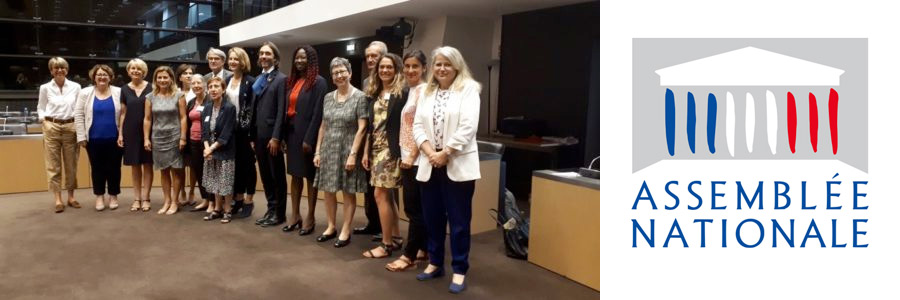
A recent hearing by the French National Assembly's investigative committee focused heavily on scientific information, revealing a number of inaccuracies presented under oath. Journalist Stéphane Foucart, in his column for Le Monde, pointed out that this information was far from accurate, raising questions about the credibility of French media in addressing scientific issues.
This hearing comes at a sensitive time, as French media faces significant challenges regarding trust and credibility, especially in light of the spread of misleading information. Several experts and specialists were called to testify, adding further complexity to the ongoing discussions about how scientific information is presented to the public.
Details of the Hearing
During the session, several key points were addressed regarding how French media covers scientific topics. Foucart noted that some of the testimonies presented contained misleading information, raising concerns about how this affects the public's understanding of science. Sharp criticisms were directed at certain media outlets that employed inaccurate methods in conveying information.
This debate arises at a time when reliance on media as a primary source of information is increasing, making it essential for this information to be accurate and reliable. Many attendees expressed concern that false information could lead to dire consequences, particularly in areas such as public health and the environment.
Background & Context
Historically, France has witnessed ongoing discussions about the role of media in providing scientific information. In recent years, with the rise of misleading information online, it has become crucial for media outlets to reconsider how they present information. Global events such as the COVID-19 pandemic have highlighted the importance of accuracy in scientific information.
The debate over scientific information in the media is not new; other countries, including the United States, have experienced similar discussions regarding how to cover scientific issues. This reflects global challenges related to media credibility and its impact on public opinion.
Impact & Consequences
The potential ramifications of this debate could be far-reaching, as it may affect public trust in media outlets. If misleading information continues to spread, it could erode trust in media institutions, negatively impacting society's ability to make informed decisions.
Moreover, inaccuracies in scientific information can lead to serious health consequences, especially during health crises. Therefore, it is essential for media to adopt higher standards in presenting scientific information.
Regional Significance
In the Arab region, the issue of scientific information in the media is particularly important, as many countries face similar challenges regarding media credibility. The lessons learned from the French experience could be beneficial for Arab countries in enhancing standards for scientific media.
Furthermore, promoting transparency and accuracy in scientific information can contribute to building greater trust between the public and media, enhancing the ability of Arab societies to tackle scientific and health challenges.
In conclusion, the debate over the accuracy of scientific information in French media underscores the need to reassess how information is presented to the public. Media must be cautious in conveying scientific information to ensure the delivery of accurate and reliable content.