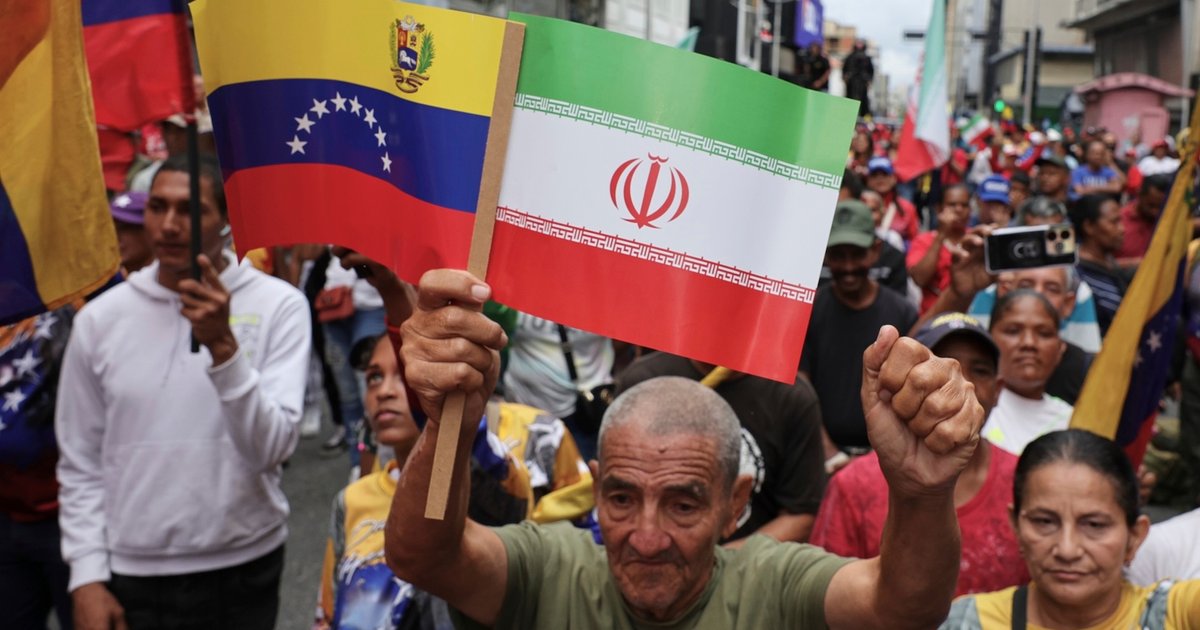
The current events raise profound questions about the mindset of American and Israeli leadership in the context of the war on Iran. In an article for the New York Times, writer Yonatan Toval asks: Is America on the brink of a disaster similar to that which occurred in Europe in 1914?
Toval points out that the leaders in the Iran war possess a "massive destruction machine" from a technical standpoint, yet they seem incapable of grasping human nature, including pride, historical memory, and religious and cultural motivations.
Details of the Current Situation
The war on Iran began with the assumption that killing Iranian leaders, controlling airspace, and destroying infrastructure would lead to the collapse of the regime in Tehran. However, the reality turned out to be different, as Iran, despite the pressures, managed to disrupt navigation in the Strait of Hormuz and expand the economic damages of the war, forcing the United States to seek support from allies after entering the war believing it would be swift and decisive.
Toval considers this situation to be a form of intelligence failure, despite the fact that intelligence, particularly Israeli, has carried out complex operations over the years. They have employed advanced techniques such as camera infiltration, communication network hacking, and analyzing vast amounts of information.
Background & Context
The problem lies in the fact that intelligence systems, no matter how accurate, cannot interpret the meaning of a person's death or the impact of strikes on society and culture. These systems track behavior without understanding human motivations, fears, loyalties, and what individuals might die for.
Toval connects the absence of cultural and historical understanding to a series of recurring strategic mistakes, such as the belief that destroying infrastructure or killing leaders will lead to the regime's collapse. Reality shows that external attacks often unite the troubled society and increase its determination to resist.
Impact & Consequences
Toval emphasizes the importance of history and literature in understanding human motivations and behaviors, noting that wars are not merely technical calculations but are saturated with emotion, religious belief, collective memory, and a desire for revenge. He cites historical examples from Athens, Macbeth, and Napoleon, illustrating the gap between technical information and a deep understanding of social and cultural realities.
Toval warns of the dangers of leaving modern wars, which have become technically advanced, in the hands of leaders untrained to understand complexity and human nature. These leaders may speak fluently about capabilities and timelines but will find no language to describe resentment, insult, loyalty, or grief.
Regional Significance
The repercussions of this war extend beyond Iran, as it could affect the stability of the entire Arab region. Wars that lack a deep understanding of the nature of societies can lead to catastrophic outcomes, as was the case in Europe in 1914.
In conclusion, Toval asserts that war is not merely about missiles and maps, but is a battle for souls, memory, and culture. Leaders who ignore this truth place their countries on the brink of unforeseen disasters, as happened in the past.