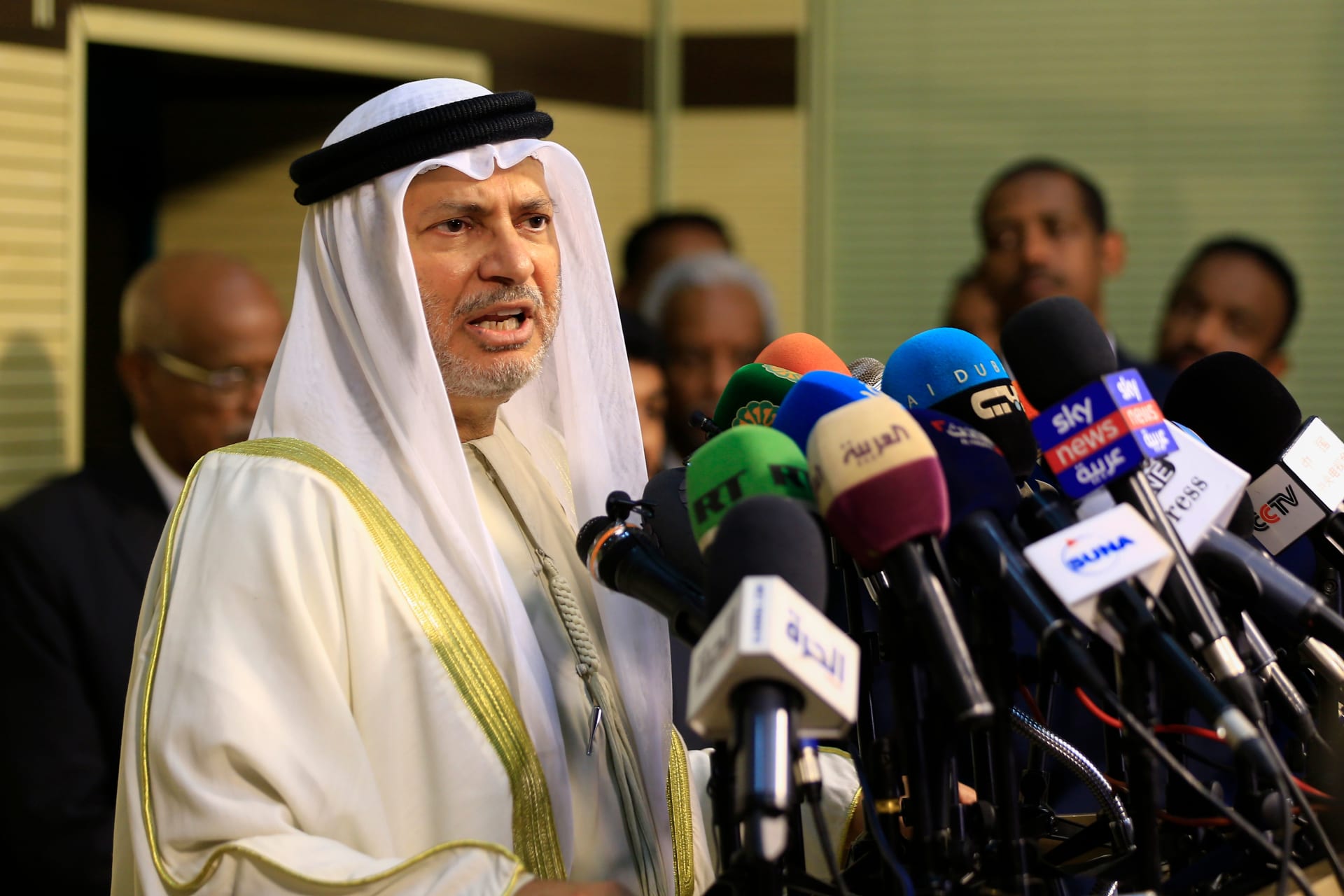
In serious remarks made on Monday, Anwar Gargash, the diplomatic advisor to the President of the United Arab Emirates, condemned the absence of a proactive role by shared Arab and Islamic institutions, such as the Arab League and the Organization of Islamic Cooperation, in addressing the challenges faced by Gulf Arab states.
Gargash pointed out that Gulf countries have every right to question the role of these institutions, especially in light of the Iranian aggression the region is facing. He also raised questions about how major Arab and regional countries are responding to the current precarious situation, emphasizing that the time has come to reevaluate the effectiveness of these institutions.
Event Details
The region is experiencing a marked escalation in tensions due to Iranian interference in the affairs of Gulf states, which underscores the urgent need for a collective response from Arab and regional countries. As Gulf nations face ongoing threats, the critical question remains: Where have the responses from major Arab institutions been?
In this context, several meetings have been held at the level of the Gulf Cooperation Council to discuss appropriate strategies to confront these challenges. However, it appears that the measures taken have not been sufficient to halt the rising threats, adding further pressure on Gulf states.
Background & Context
The Arab League and the Organization of Islamic Cooperation were established to enhance joint Arab and Islamic action; however, their effectiveness in crisis management remains under scrutiny. In past years, many of these institutions have faced criticism for their inability to provide an effective response to crises, raising doubts about their capacity to resolve conflicts and reach consensus on issues related to Arab national security.
In recent years, the Gulf region has witnessed military incursions and increasing provocations from Iran, prompting Gulf states to seek to strengthen their regional and international alliances. This dynamic is not new; it has been ongoing for decades, but it now demands effective actions that reflect Arab unity.
Impact & Consequences
Failure by Arab countries and regional institutions to respond effectively may exacerbate the situation and lead to insecurity in the region, negatively affecting the stability of Gulf states. Escalating tensions could also undermine confidence in the ability of Arab regimes to protect their interests.
Concerns continue to loom over the future of Arab relations in light of increasing Iranian interventions, thereby imposing additional pressures on Gulf states to reassess their strategies. Regional governments must develop comprehensive strategies that ensure their security and stability amid continuous shifts in political equations.
Regional Significance
Developments in the Gulf have a direct impact on the overall conditions in the Arab world. Heightened tensions could contribute to more sectarian and ethnic conflicts in vulnerable areas, increasing the likelihood of military incursions or new terrorist activities.
During this critical phase, it becomes essential for Arabs to unite and converge efforts to confront significant challenges, drawing on their historical experiences to build a secure future.