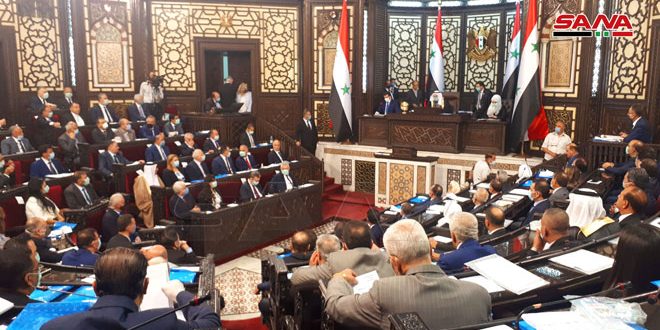
Doubts are rising regarding the ability of Syria's new People's Assembly, which has yet to convene, to fulfill its legislative role. This skepticism stems from weak representation and the prevailing centralized system in the country.
The People's Assembly, regarded as the legislative body in Syria, is one of the fundamental pillars of the political system. However, the challenges it faces may hinder its effectiveness in making important decisions that affect the country's future.
Details of the Event
The new People's Assembly has not been able to convene so far, raising questions about its capacity to achieve its legislative goals. Observers point out that the weak political representation of various segments of Syrian society, along with the centralized system that dominates decision-making, may lead to the Assembly's inability to achieve the necessary balance in the legislative process.
These challenges are evident in the lack of adequate representation for different social and political groups, raising concerns about the Assembly's ability to respond to the demands of the Syrian people. Furthermore, the centralized system that dominates political life in the country limits the Assembly's capacity to make independent and effective decisions.
Background & Context
The People's Assembly was established in 1971 and was previously considered a platform for expressing citizens' opinions and participating in decision-making. However, this body has faced widespread criticism for its inability to bring about the required change amid the current political conditions.
Historically, Syria has witnessed many political changes, yet the centralized system has remained dominant in political life, leading to a decline in the role of legislative institutions. The ongoing crises, including the conflict that has persisted since 2011, have exacerbated this issue.
Impact & Consequences
If the People's Assembly continues to remain unassembled and unable to perform its role, it could exacerbate the political and economic crises in the country. The absence of effective legislation may hinder reform efforts and increase the suffering of citizens under the difficult circumstances they face.
Moreover, the Assembly's inability to engage with the people's issues may lead to a deterioration of trust in government institutions, potentially contributing to increased social tension. Under these circumstances, achieving political and economic stability in the country may become increasingly difficult.
Regional Significance
The situation in Syria represents a model of the challenges faced by many Arab countries amid political and economic crises. Developments in Syria could impact regional stability, as any escalation in conditions may negatively affect neighboring countries.
Syria is a crossroads for many regional issues, including the Israeli-Palestinian conflict and crises in Lebanon and Iraq. Therefore, any changes in the Syrian political situation could affect the dynamics of the region as a whole.
In conclusion, the future of Syria's new People's Assembly remains in question, as it requires radical changes in the political system to ensure the effectiveness of this Assembly in meeting the aspirations of the Syrian people.