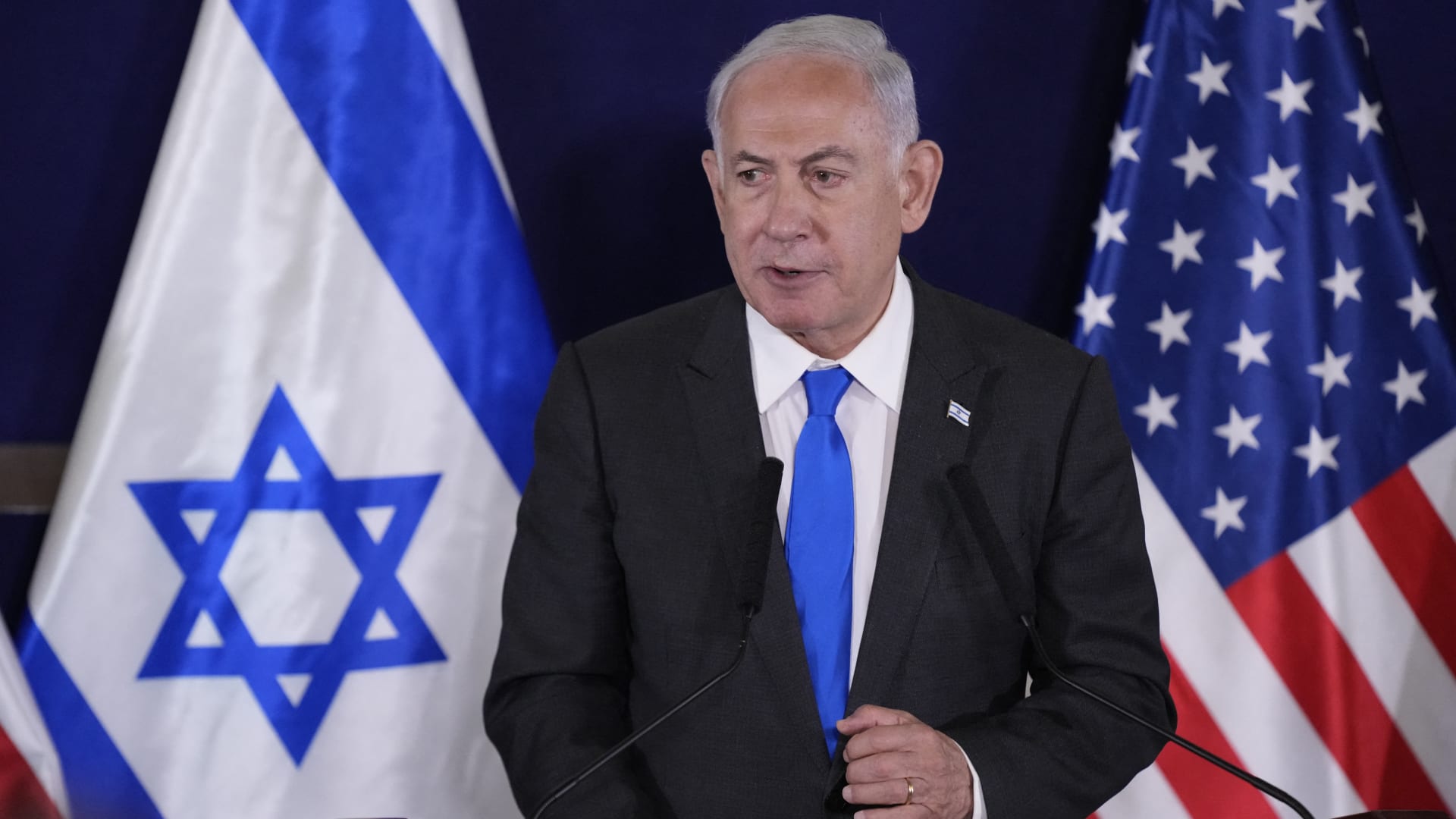
In an interview with CNN, Ofir Falk, the political advisor to Israeli Prime Minister Benjamin Netanyahu, expressed skepticism regarding Iran's willingness to enter negotiations to resolve the ongoing dispute. Falk asserted that Iran consistently lies, noting that Tel Aviv is seriously seeking to eliminate the existential threat posed by the mullahs regime.
Falk added that there are three potential pathways to achieve this goal: removing the Iranian regime, destroying the country's military capabilities, and pursuing negotiations. He confirmed that Israel is capable of executing these three pathways simultaneously, which is currently underway.
Details of the Event
Falk's statements come at a sensitive time, as tensions between Israel and Iran escalate, particularly following recent events in the region. Several meetings have been held among Israeli leaders to discuss the necessary strategies to confront the challenges posed by Iran, whether through military support for armed groups in the region or through the development of its nuclear program.
Falk also indicated that Israel would not hesitate to take decisive steps if Iran continues to threaten its security. These statements reflect Tel Aviv's strategy of adopting a firm policy towards Tehran, which it considers the primary enemy in the region.
Background & Context
Historically, relations between Israel and Iran have been extremely tense, with multiple conflicts over the past decades, ranging from the Iran-Iraq War to disputes in Syria and Lebanon. Since the Iranian Revolution in 1979, Iran has supported armed groups hostile to Israel, exacerbating tensions between the two sides.
In recent years, Israeli concerns over the Iranian nuclear program have intensified, as Tel Aviv views this program as an existential threat. Israel has shown a willingness to use military force to prevent Iran from acquiring nuclear weapons, reflecting its deterrence policy.
Impact & Consequences
Falk's statements carry significant implications for regional security, as they may lead to an escalation of tensions between Israel and Iran. If Iran continues to develop its military capabilities, Israel may be compelled to take preemptive military action, potentially resulting in a large-scale conflict in the region.
Furthermore, these statements could affect Iran's relations with major powers, especially amid ongoing discussions regarding the nuclear agreement. If Iran persists in refusing to negotiate, it may face further international sanctions, increasing its economic and political isolation.
Regional Significance
The tensions between Israel and Iran directly impact Arab countries, as many Arab nations view Iran as a threat to their security. In this context, some Arab states may seek to enhance their cooperation with Israel to counter the Iranian threat, potentially leading to shifts in regional alliances.
Moreover, any military escalation could affect the stability of the region as a whole, with neighboring countries potentially impacted by armed conflicts or an influx of refugees. Therefore, the situation requires Arab nations to take clear positions to address these challenges.