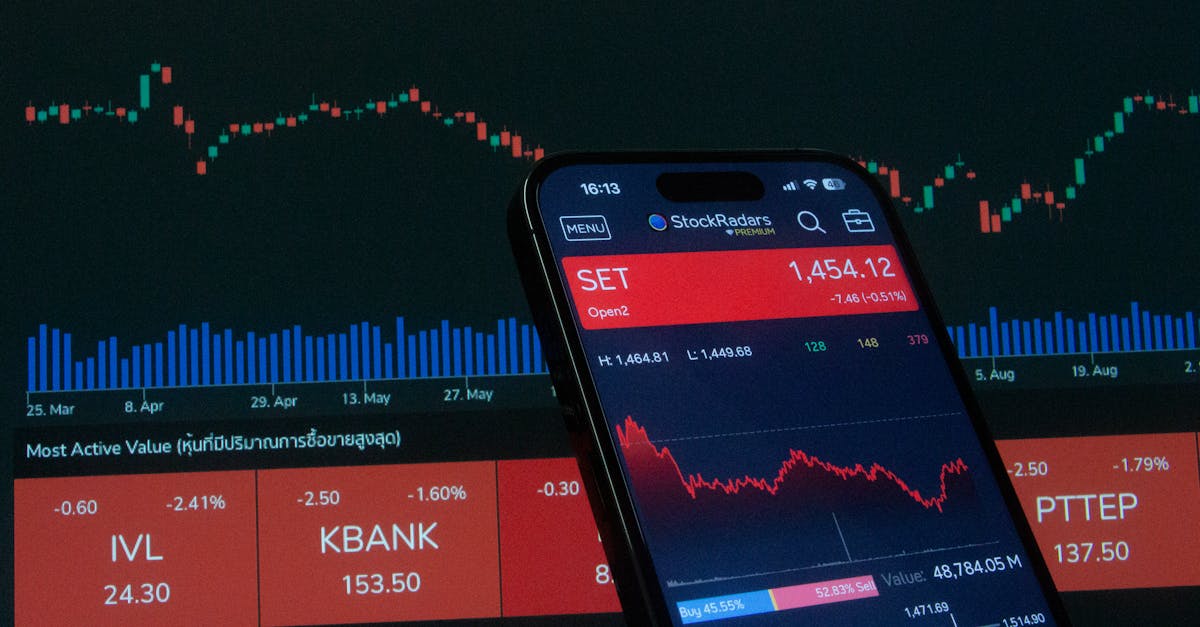
Questions are mounting regarding the global financial situation amid the rapid developments of the U.S.-Israeli war against Iran. Financial markets have observed unusual movements, raising doubts about the potential exploitation of these conditions by certain investors to achieve illicit profits.
These movements coincided with unusual trading activity in stock and energy markets, where data showed notable increases in the prices of certain assets. Such phenomena have led observers to believe that investments may be based on leaked insider information, raising questions about the integrity of financial markets.
Details of the Event
In recent days, global stock markets have experienced sharp fluctuations, with oil prices rising significantly, reflecting a state of instability. At the same time, some major companies in the energy sector recorded unprecedented increases in their market values, raising suspicions of illegal investment strategies.
Attention is now focused on how regulatory bodies will respond to these phenomena, as a thorough review of recent trades is expected. There are also increasing calls for transparency in financial markets, especially in light of the tense geopolitical conditions.
Background & Context
Historically, global financial markets have experienced similar fluctuations during geopolitical crises. Wars and conflicts often lead to significant changes in asset prices, providing opportunities for some investors to achieve quick profits. However, the presence of insider information can change the game and lead to a loss of trust in the markets.
In the case of the war on Iran, economic interests intertwine with political dimensions, complicating the landscape. Iran is considered a key player in the energy market, and any escalation in the conflict could significantly impact global prices.
Impact & Consequences
If these suspicious movements continue, they could lead to negative repercussions on financial markets. Regulatory bodies may face increased pressure to implement strict measures against suspicious trades, which could affect market liquidity and investor confidence.
Moreover, these conditions could exacerbate economic crises in some countries, particularly those reliant on energy imports. Rising oil prices may negatively impact living costs and lead to increased inflation.
Regional Significance
The Arab region is among the most affected by geopolitical developments, as any escalation in the U.S.-Israeli-Iranian conflict could reflect on regional stability. Arab countries that depend on oil may face new challenges amid rising prices.
Additionally, these conditions could lead to heightened tensions between Arab states and Iran, complicating peace and stability efforts in the region. Therefore, monitoring these developments remains essential to understand the potential impact on economic and political security in the area.
In conclusion, the question remains about how financial markets will handle these challenges. While some seek quick gains, regulatory bodies must work to ensure market integrity and protect investors.