Questions are increasing regarding the Libyan National Army, led by Field Marshal Khalifa Haftar, acquiring new combat drones despite the international arms embargo on Libya since 2011. Reports indicate the presence of three drones at the Al-Khadem airbase in eastern Libya.
This inquiry follows a report by Reuters, which showcased commercial satellite images of drones believed to be of Chinese and Turkish manufacture. Although there are no official confirmations from the National Army, experts believe that these drones represent a new addition to the army's arsenal as it continues to seek to enhance its military capabilities.
Details of the Event
Reports indicate that the images captured by satellites show three drones, with one likely being a Chinese-made Wing Loong - 1 (FL-1), while the other two may be Turkish-made Bayraktar TB2 drones. This information comes at a time when the National Army is striving to enhance its military capabilities, despite ongoing complaints about the impact of the international embargo on its armament.
A Libyan military source, who preferred to remain anonymous, declined to comment on the news, indicating that the issue is sensitive and he does not have the authority to discuss it. Nevertheless, the images showing the drones raise questions about how they entered Libya under the imposed embargo.
Background & Context
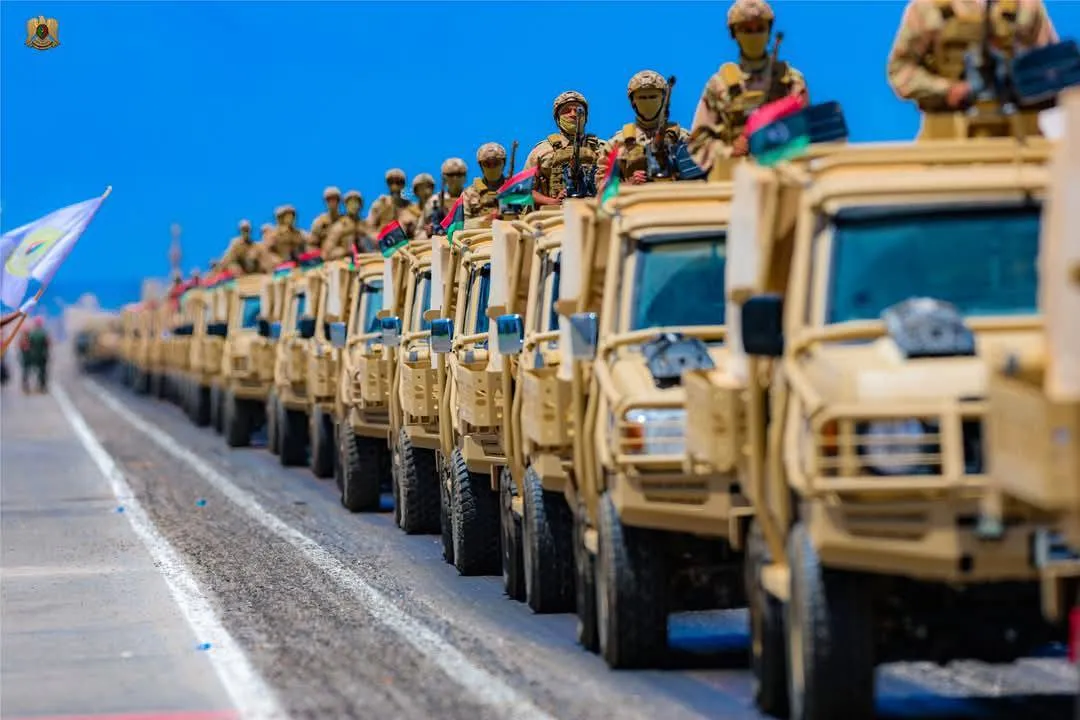
Since 2011, Libya has been under an international arms embargo amid the ongoing conflict between various factions in the country. However, the Libyan National Army, led by Haftar, is making significant efforts to enhance its military capabilities to face security threats, especially with the increasing activity of extremist groups in the region.
Military researcher Mohammed Al-Tarhouni pointed out that the United Nations Security Council's decision to ease the arms embargo on Libya in 2025 could open the door for the supply of new weapons for defense and counter-terrorism purposes, reflecting the urgent need to enhance military readiness in the face of increasing security challenges.
Impact & Consequences
The acquisition of drones is seen as a logical and necessary step given the security challenges facing Libya, as these drones have proven effective in combat fields. However, the ongoing discussion about an arms race among various factions in Libya may complicate the security situation in the country.
Reports indicate that the Libyan National Army may have entered into agreements with countries like Pakistan to acquire new military equipment, reflecting its ongoing efforts to bolster its military capabilities. However, questions remain about how these developments will affect security and stability in Libya and the region.
Regional Significance
The repercussions of these developments extend beyond Libya, potentially affecting security balances across the entire region. Amid the ongoing conflicts in the Middle East, enhancing the military capabilities of any party could lead to escalating tensions and increased conflicts.
Furthermore, the continued discussion about arming the Libyan National Army may raise concerns among neighboring countries, which fear the implications of this armament on regional security. Under these circumstances, the situation in Libya remains under the scrutiny of the international community, which seeks to find lasting solutions to the ongoing crisis.
In conclusion, questions surrounding Haftar's acquisition of drones remain open, reflecting the complexities facing Libya amid the ongoing conflict and the imposed international embargo.