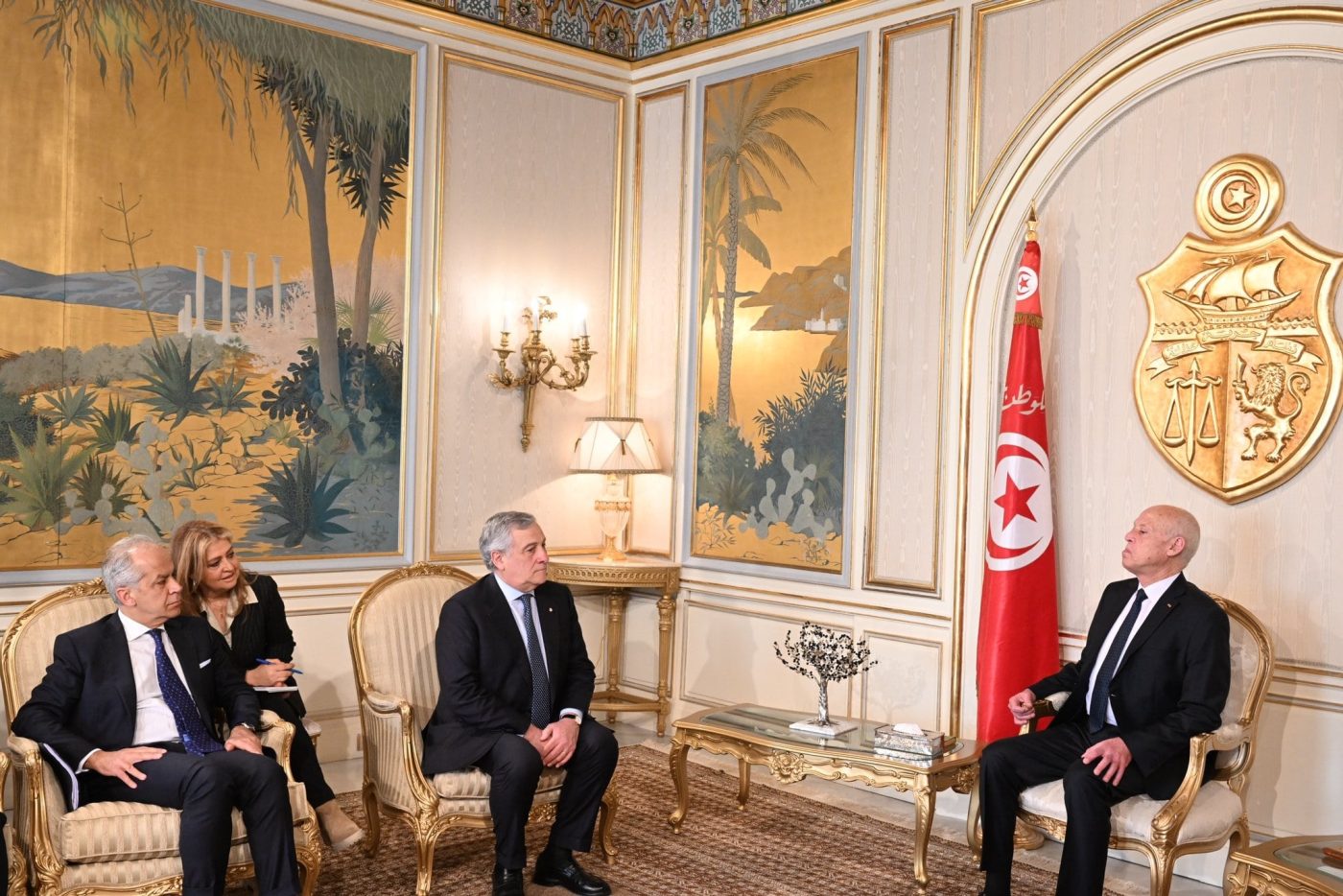
The history of Tunisian ministers is filled with amusing anecdotes and notable moments. While ministers under Habib Bourguiba showcased high educational levels and rich political experiences, those under Zine El Abidine Ben Ali were less visible, reflecting the nature of governance during each era.
Ministers during Bourguiba's tenure were prominent figures in the political arena, exhibiting high educational and experimental capabilities. Some are known for their verbal slips or humorous situations, leaving a lasting impression on the collective memory of the Tunisian people. For instance, many may recall a funny gaffe made by one of the ministers during a press conference, which became a topic of conversation in Tunisian streets for a long time.
Details of the Event
In contrast, the era of Zine El Abidine Ben Ali was characterized by the silence of his ministers, who had little visibility in the media or public life. This silence made it difficult to remember any of his ministers or their stances, leading to a lack of the humorous anecdotes that marked the Bourguiba era. This can be attributed to the repressive policies adopted by Ben Ali, which resulted in a decline in freedom of expression.
Despite their solid educational backgrounds, Ben Ali's ministers were unable to express their opinions freely. This limitation affected their interactions with the public, as communication between them and citizens was restricted.
Background & Context
Tunisia's political history is filled with changes and transformations, having witnessed radical shifts in the political system since independence in 1956. Habib Bourguiba assumed the presidency and succeeded in building a modern state, with his ministers being part of this project. However, Ben Ali's rule, which began in 1987, was entirely different, marked by authoritarianism and censorship.
Ministers during Bourguiba's time represented a generation of intellectuals who contributed to state-building, while Ben Ali's ministers came from diverse backgrounds, affecting their management of political and social issues.
Impact & Consequences
The impact of these differences between ministers from the two eras extends beyond the political sphere, reaching into social and cultural dimensions. The verbal slips of Bourguiba's ministers contributed to an atmosphere of humor and light-heartedness in political life, making citizens feel closer to their government.
Conversely, the policy of silence during Ben Ali's tenure led to a sense of disconnection between the government and the people, increasing feelings of frustration and anxiety among citizens. This gap contributed to the outbreak of the Tunisian revolution in 2011, where the people demanded change and freedom.
Regional Significance
The Tunisian experience reflects a shared reality in many Arab countries, where governance styles and communication between governments and peoples vary. The transition from humorous slips of ministers to the silence of others illustrates the challenges governments face in building a healthy relationship with their citizens.
Moreover, the Tunisian experience inspires other peoples in the region, as they seek governments that express their aspirations and remain close to them. Understanding these dynamics can help promote democracy in the region.
In conclusion, the quirks of Tunisian ministers remain part of the collective memory of the people, reflecting the importance of communication and transparency in governance.