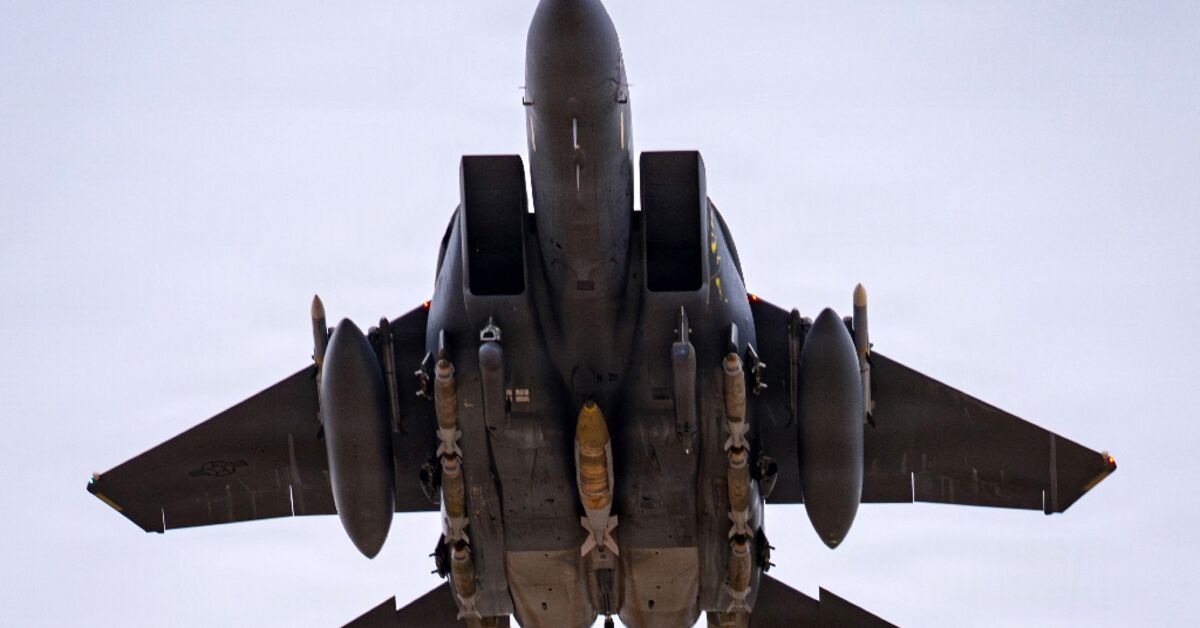
Events escalated last Saturday when Iranian forces shot down an American fighter jet, the F-15, leading to a race between Iranian and American forces to recover a crew member from the aircraft. Tehran confirmed that it had downed the jet, while U.S. media reported that American special forces managed to rescue one pilot, while another remains missing.
In a related context, Iranian forces also announced the downing of another aircraft, an A-10, in the Gulf, with reports indicating that the pilot was successfully rescued. These events come at a highly sensitive time, as tensions between the United States and Iran escalate amid ongoing conflict in the region.
Details of the Incident
This incident marks the first of its kind since the beginning of the conflict, recording the first downing of an American fighter jet within Iranian territory. These events have raised international concerns about the escalating military tensions between the two countries, reflecting a serious escalation in the ongoing conflict.
It is noteworthy that the F-15 is considered one of the most advanced fighter jets in the American arsenal, highlighting the significance of this event. Additionally, the rescue operation conducted by American special forces reflects the United States' capability to execute complex operations in hazardous environments.
Background & Context
Since the onset of the conflict, relations between Iran and the United States have deteriorated markedly. Economic sanctions and military threats have heightened tensions, making the region increasingly fragile. Historically, there have been numerous military incidents between the two parties, but this incident represents a new turning point in the conflict.
Previous incidents involving the downing of fighter jets are recalled, where such events have always led to reciprocal military and political reactions. Given the history of relations between Iran and the United States, this incident could open the door to greater escalation in the future.
Impact & Consequences
Analyses suggest that these events could lead to greater military escalation between Iran and the United States, potentially affecting regional stability. If tensions persist, we may witness military responses from both sides, increasing the risk of a widespread conflict.
Moreover, these events could impact international relations, as major powers will closely monitor the situation. Any escalation in the conflict could lead to international intervention, complicating matters further in the region.
Regional Significance
The Arab region is a significant part of this conflict, as tensions between Iran and the United States could have negative effects on security and stability in neighboring countries. Arab nations, especially those sharing borders with Iran, may feel increasing threats as a result of these events.
Furthermore, any escalation in the conflict could affect oil prices and global markets, reflecting on the Arab economy as a whole. Therefore, recent events remain under close scrutiny by Arab nations, which seek to maintain their stability amid these volatile circumstances.
In conclusion, the recent events between Iran and the United States underscore the fragility of the security situation in the region and highlight the need for diplomatic dialogue to avoid further escalation. There remains hope that the international community can intervene to reduce tensions and achieve stability in the region.