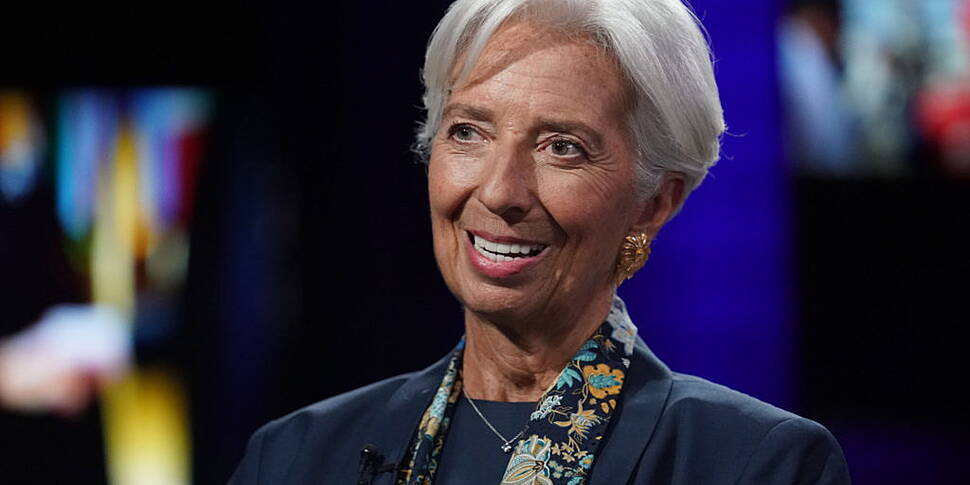
Christine Lagarde, President of the European Central Bank (ECB), has announced that she is contemplating ending her term before the scheduled date in October 2027. These statements come at a sensitive time as pressure mounts on the ECB to tackle the growing economic challenges facing the Eurozone.
As Lagarde's term approaches its end, a serious succession race has begun to take shape, with three main candidates vying for the position. This competition signifies the importance of the ECB's role in steering monetary policy in the region, especially given the current economic conditions.
Details of the Event
Expectations are rising regarding who will succeed Lagarde, as the three candidates are viewed as having different visions for managing monetary policy. Observers anticipate that this race will have significant implications for the stability of the European economy, particularly in light of the challenges faced by EU member states.
France, regarded as one of the major economic powers in Europe, is seeking the position of Chief Economist at the ECB. This role is crucial in shaping economic and monetary policies, and it could enhance France's influence in European decision-making.
Background & Context
The ECB has played a pivotal role in managing the economic crises that have affected the Eurozone, especially during the sovereign debt crisis. Since Lagarde took over as President in 2019, the region has faced numerous challenges, including the repercussions of the COVID-19 pandemic and rising inflation.
Historically, the ECB has had a significant impact on economic policies in member states. The monetary policies implemented by Lagarde have contributed to the stability of financial markets, but current challenges may require radical changes in approach.
Impact & Consequences
Changes in leadership may affect monetary policy in the Eurozone, potentially leading to shifts in interest rates and economic trends. Given the current economic conditions, selecting a new President for the ECB is crucial for achieving stability and growth in the region.
Additionally, these developments could impact global financial markets, as the ECB is among the most influential financial institutions in the world. Therefore, any changes in its leadership could lead to fluctuations in global financial markets.
Regional Significance
The economic relationships between Arab countries and the Eurozone are significant, as Europe is one of the largest trading partners of the Arab world. Any changes in European monetary policy could affect investments and trade between the two sides.
Moreover, economic stability in the Eurozone is considered an important factor in promoting economic growth in Arab countries, making it essential to monitor these developments closely.
In conclusion, the race for the presidency of the ECB highlights the importance of its role in the global economy and serves as an indicator of potential changes in monetary policy that could impact all countries, including Arab nations.